The “Micron-Level” Foundation of Laboratory Excellence
In the manufacturing of laboratory equipment, the difference between a high-performance installation and a costly failure often resides in a single millimeter. A 1mm gap in a cabinet door or a 0.5mm deviation in an exhaust port can lead to persistent rework and delayed project timelines. These errors typically do not originate in the assembly phase; they are amplified downstream from the very first stage: sheet metal blanking.
For critical components like fume hoods and laboratory benches, structural precision is the bedrock of performance. A 0.5mm discrepancy at the start can escalate into misaligned doors or non-functional exhaust connections by the final assembly. In the context of a fume hood, this is not merely an aesthetic concern. Compliance with rigorous standards such as ASHRAE 110-2016—specifically regarding face velocity and containment control—depends on the absolute consistency of the cabinet dimensions. For laboratory infrastructure, sheet metal precision is the primary upstream variable of safety.
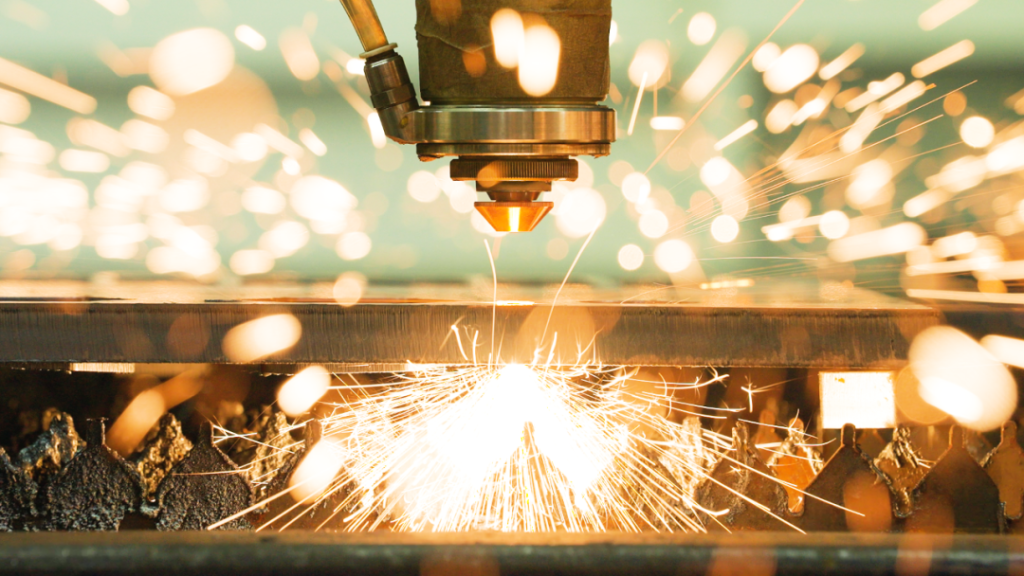
Modern enclosed laser cutting machines operate within a sealed chamber, utilizing centralized dust extraction and smoke filtration systems. This design serves two critical functions:
Surface Integrity: By cutting in a controlled environment, the metal sheets remain free from airborne contaminants. This ensures superior adhesion for subsequent processes such as acid washing, phosphating, and powder coating.
Operational Safety:The enclosed system protects personnel from dust and laser radiation, a key requirement for achieving ISO 45001 occupational health and safety management certification. The difference between an open-air workshop and an enclosed facility is immediately apparent in the reduction of industrial particulates.
Traditional sheet metal blanking relied on manual marking, punching, and semi-automated forming, where precision was at the mercy of the operator. Modern systems pivot to program-driven fabrication:
Consistency: Cutting paths are generated by CNC systems and executed by linear motor drives. This ensures that the dimensions of the final cut are immune to human error or batch-to-batch variations.
Optimization:Advanced nesting software minimizes scrap and reduces material costs—a critical factor given that sheet metal often accounts for a significant portion of laboratory equipment costs.
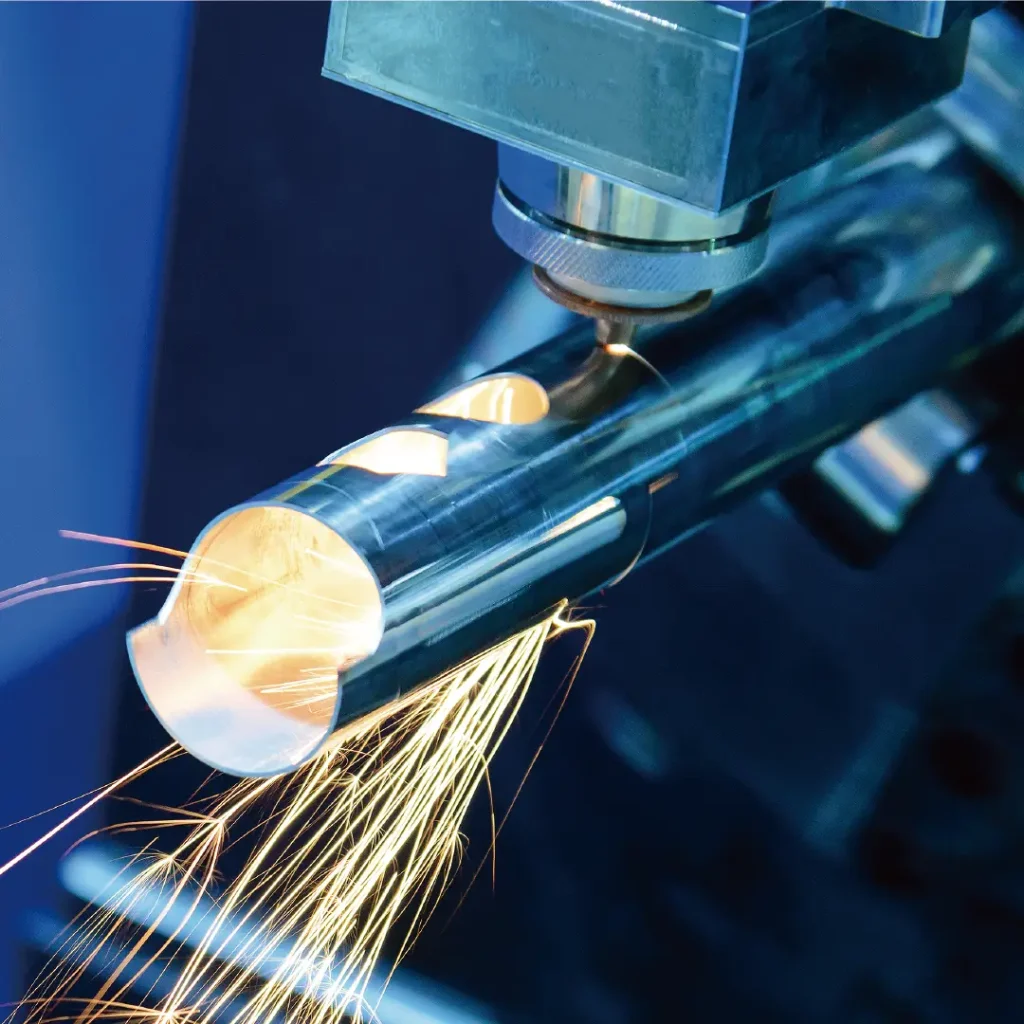
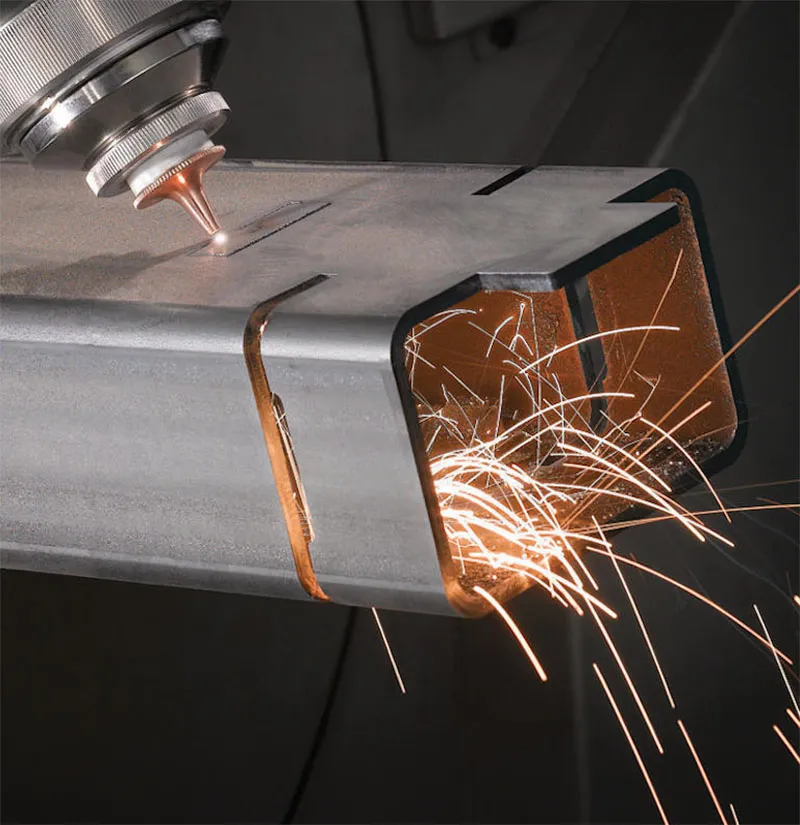
Single-Pass Complexity: Intricate features—including openings, wiring ports, and reinforcement ribs—are cut in a single pass, eliminating the accumulation of errors from multiple processing stages.
03.Continuous Operation and End-to-End Traceability
Enclosed systems facilitate continuous operation, independent of manual labor rhythms. When integrated with a Manufacturing Execution System (MES), every sheet of metal—from loading to sorting—is fully traceable. For procurement officers, this offers two distinct advantages:
Schedule Transparency: Project progress is verified through system records rather than verbal estimates.
Quality Accountability: In the event of a discrepancy, the system can pinpoint the exact batch and material sheet involved, allowing for targeted correction rather than generalized rework.
Application-Specific Precision Metrics
The impact of blanking precision manifests differently across product categories:
Fume Hoods: Ensures perfect component fit, which is essential for airtightness and stable airflow.
Lab Bench Supports & Drawers:Dictates the linearity of bending edges, ensuring drawer smoothness and structural load-bearing capacity.
Stainless Steel Worktops: Edge quality directly impacts the cleanliness and integrity of subsequent welds.
Equipment & Electrical Cabinets:Ensures the exact positioning of critical openings and cable ports.
Conclusion: The Prerequisite for Multi-Category Delivery
Advanced laboratory projects often involve a complex mix of all-steel, stainless steel, and composite components. By utilizing a single, program-driven production line for all material types, manufacturers ensure consistent quality and delivery across the entire project scope. Enclosed laser cutting is not just a technological upgrade; it is the prerequisite for the synchronized delivery of high-end laboratory infrastructure.