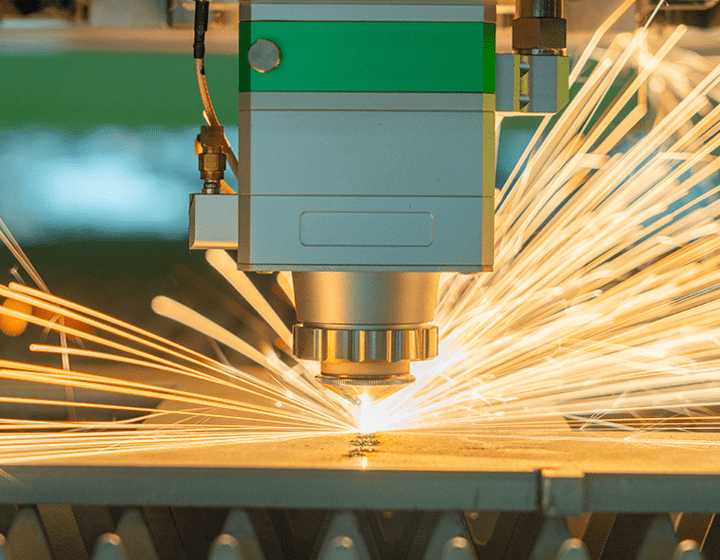
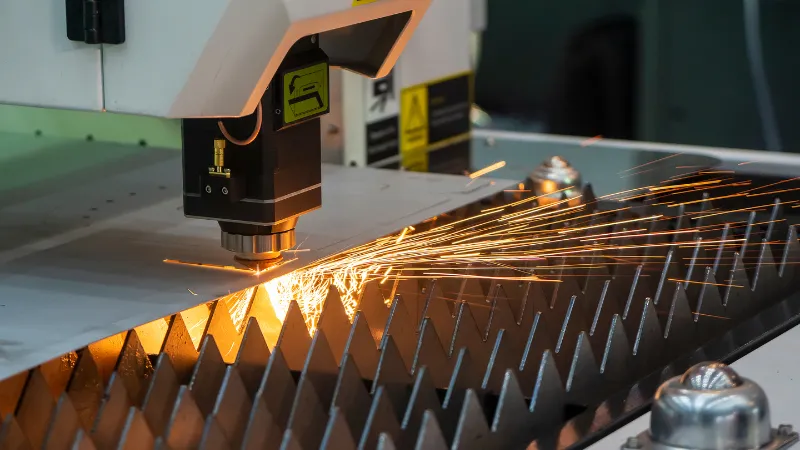
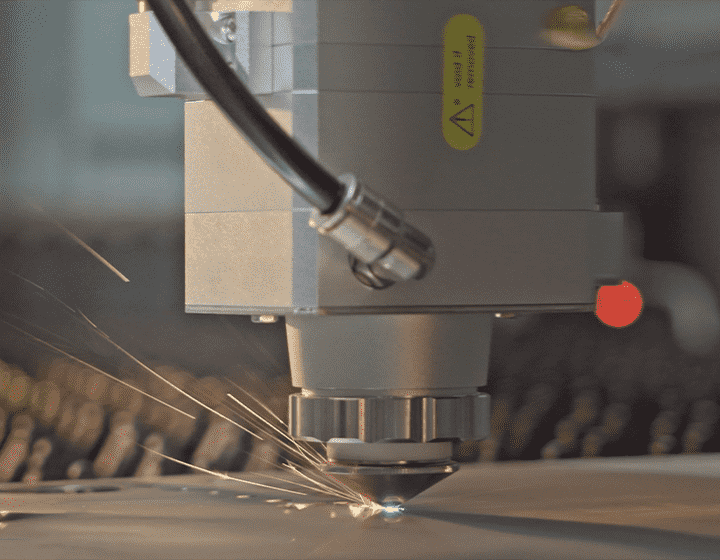
In the competitive landscape of sheet metal fabrication, many procurement officers fall into the “High-Power Trap”—blindly chasing ultra-high wattage without considering actual production requirements. While power is a critical metric, the true quality of an industrial laser system is defined by its stability, dynamic performance, and alignment with specific material thicknesses. For the dominant market segment of 0.5mm to 12mm plates, selecting the right machine is a strategic decision that impacts the Total Cost of Ownership (TCO) and long-term production efficiency.
I. Core Principles of Strategic Selection
To maximize ROI, the selection process must move beyond simple price comparisons and focus on three foundational pillars:
Workload Matching: Select power based on the material thickness that constitutes 80% of your production volume. Chasing maximum thickness capability at the expense of thin-plate efficiency leads to wasted energy and excessive initial investment.
Dynamic Stability Over Raw Power: The rigidity and precision of the machine bed are more critical than the wattage of the laser source. High-precision cutting requires a system that remains vibration-free during high-speed motion.
Edge Quality as the Final Metric:The ultimate goal is a “burr-free, high-gloss” finish. A machine that delivers a clean cut requires zero secondary processing, directly reducing labor costs.
II.Strategic Configuration Plans: The KF Laser Approach
Manufacturers like Jinan KF Laser have developed specialized plans to address distinct fabrication needs:
Plan A: 3000W High-Speed Thin Plate Specialist
Target: 5mm – 6mm (limited 8mm).
Advantage: Designed for light-duty sheet metal, electrical cabinets, and furniture components. It offers maximum speed for thin materials with significantly lower energy consumption and maintenance costs.
Plan B: 6000W Universal Thin-to-Medium Plate All-Rounder
Target: 2mm – 10mm (limited 18mm).
Advantage: The industry “Gold Standard” for general fabrication. It balances high-speed thin-plate cutting with the ability to handle medium plates for construction machinery and engineering parts.
Plan C: 12000W Heavy-Duty Medium Plate Dedicated System
Target:5mm – 20mm (limited 30mm).
Advantage: Reinforced with enhanced drive systems and optimized gas flows for thick-plate batch processing. Ideal for specialized manufacturing where edge quality and penetration speed on thick materials are paramount.
III.The Hardware Foundation of Precision
As a cutting-edge process in the field of high-end metal manufacturing, laser cutting titanium alloy technology addresses long-standing industry challenges associated with traditional processing methods, such as low precision, high consumable costs, and mechanical stress. Its high degree of compatibility with the stringent requirements of modern manufacturing makes it an essential tool for standardized production.
Looking forward, as laser systems continue to evolve with higher intelligence and optimized algorithms, their integration into Aerospace, Medical Engineering, and New Energy sectors will deepen. Laser cutting is not just a tool; it is the core enabling technology driving the advancement of high-end, intelligent titanium manufacturing.
IV. Procurement Checklist: Avoiding Costly Mistakes
Do not rely on “Theoretical Thickness”:Always verify the “Stable Batch Cutting Thickness” rather than the maximum limit.
Evaluate After-Sales Response: A machine is only as good as the support behind it. Ensure the manufacturer provides remote diagnostics and localized parts inventory.
Verify Testing Protocols: Insist on seeing 72-hour full-load operation reports and precision calibration certificates before delivery.
Conclusion: Engineering Your Success
Fiber laser cutting is a strategic asset, not just a tool. By focusing on material-specific power matching and equipment stability, fabrication shops can achieve a 90% reduction in secondary processing costs. Whether you are specializing in high-speed thin-plate components or heavy-duty engineering parts, the right selection ensures that your facility remains at the vanguard of industrial efficiency and quality.