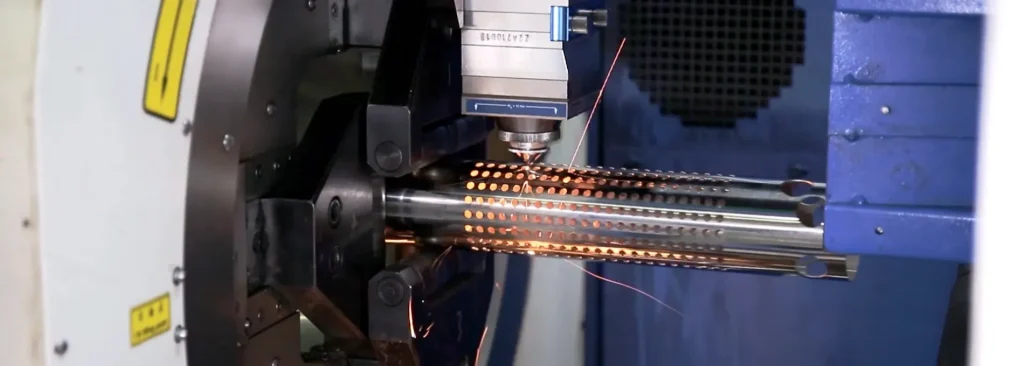
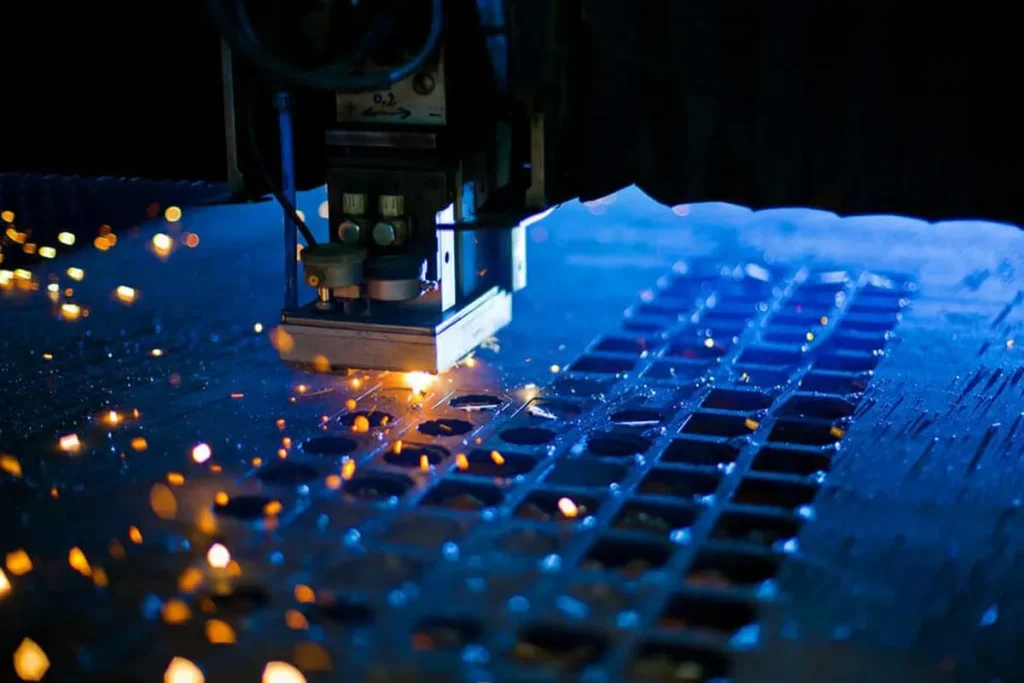
In high-precision sectors—including medical devices, new energy components, ultra-thin hardware, and 3C electronics—the surface finish of a cut is a primary indicator of quality. A superior finish directly reduces the Total Cost of Ownership (TCO) by eliminating or minimizing secondary processes such as grinding, polishing, and specialized welding.
While many operators attribute poor edge quality solely to the machine hardware, the final result is a complex synergy of equipment, process parameters, consumables, and raw materials. This technical deep-dive analyzes the five core factors that determine the smoothness of a laser cutting surface.
01. Hardware Stability: The Mechanical Foundation
No amount of parameter tuning can compensate for a lack of structural integrity. Precision laser cutting requires hardware standards far beyond general-purpose systems.
Machine Bed & Servo Dynamics: The stability of the machine bed and the precision of the servo-drive system directly dictate whether the laser cutting path is vibration-free. Any lack of dynamic precision results in micro-vibrations, manifesting as visible striations and waves on the cut surface.
Beam Quality (M² ): The laser source must deliver a uniform energy distribution. A poor beam mode or unstable divergence will inevitably lead to a coarse, uneven finish.
Optical Maintenance: Contamination or thermal lensing in the protective windows or lenses will distort the beam, causing a precipitous drop in surface quality.
02. Cutting Gas: The Chemistry of the Kerf
The selection and purity of the auxiliary gas are critical for dross management and oxidation control.
Nitrogen (N₂ ): The gold standard for stainless steel and precision parts. It prevents oxidation, retaining the metal’s natural color and high-gloss finish. Insufficient purity leads to yellowing or darkening.
Oxygen (O₂ ): Primarily used for carbon steel. It utilizes exothermic reactions to assist cutting but leaves an oxide layer.
Specialty Gases (Argon/Helium): Essential for active metals like titanium alloys to ensure zero oxidation and a minimal Heat Affected Zone (HAZ).
Pressure Dynamics: Low pressure fails to expel slag, leading to bottom-edge burrs. Excessively high pressure can cause turbulence in the melt pool, resulting in surface ripples.
03. The “Iron Triangle” of Process Parameters
Power, speed, and focal position form the core of process optimization.
Cutting Speed:Excessive laser cutting speed prevents the complete expulsion of molten material, leading to burrs. Speeds that are too slow cause “over-burning” and coarse striations.
Laser Power:Must be precisely matched to material thickness. Excess power causes severe thermal deformation; insufficient power leads to incomplete severance and an uneven “hilly” surface.
Focal Position: The focal offset determines energy density. A deviation from the optimal focal point changes the spot morphology, resulting in an inconsistent finish between the top and bottom of the cut.
04. Raw Material Integrity and Surface Condition
Often, the source of a poor finish lies in the material itself, not the equipment.
Reflectivity: High-reflectivity materials like copper and brass require specialized beam handling to avoid striations.
Surface Contaminants: Rust, oxide scales, oil, or coatings interfere with laser absorption, creating localized energy instability that manifests as pitting or scarring.
Internal Stresses: Impurities and uneven internal stress within the metal plate can lead to unpredictable forming results, regardless of gas performance.
05. Nozzle Condition: The Overlooked Variable
The nozzle dictates the morphology of the gas flow.
Concentricity: If the nozzle is not perfectly centered with the laser beam, the gas flow becomes turbulent and biased, causing localized burrs and slanted edges.
Orifice Integrity: Wear, deformation, or slag buildup on the nozzle tip disrupts the laminar flow, leading to inconsistent laser cutting quality that is often misdiagnosed as a machine failure.
Conclusion: A Holistic Approach to Precision
Achieving a micron-level surface finish is a multi-dimensional challenge. While the machine hardware provides the foundation, the cutting gas, process parameters, material quality, and nozzle condition must be synchronized to achieve peak performance. For high-end industrial fabrication, mastering these five variables is the only path to producing high-value, precision components with consistency and efficiency.