Many perceive sheet metal fabrication as a simple sequence of cutting, bending, and assembly. However, the true ceiling of industrial quality is determined at the very first stage: the blanking process. Traditional mechanical shearing and die-punching are limited by physical contact, which inevitably leads to material deformation, edge burrs, dimensional deviations, and thermal distortion. These flaws are unacceptable for the precision assembly requirements of high-end Energy Storage Systems (ESS) and sophisticated outdoor enclosures.
01.Transcending Traditional Limitations: Redefining Precision with Light
Traditional fabrication relies heavily on mechanical force, where process limitations cause edge imperfections and uneven cross-sections. For energy storage cabinets, these minor defects are amplified during precision assembly, compromising structural fit and overall sealing integrity.
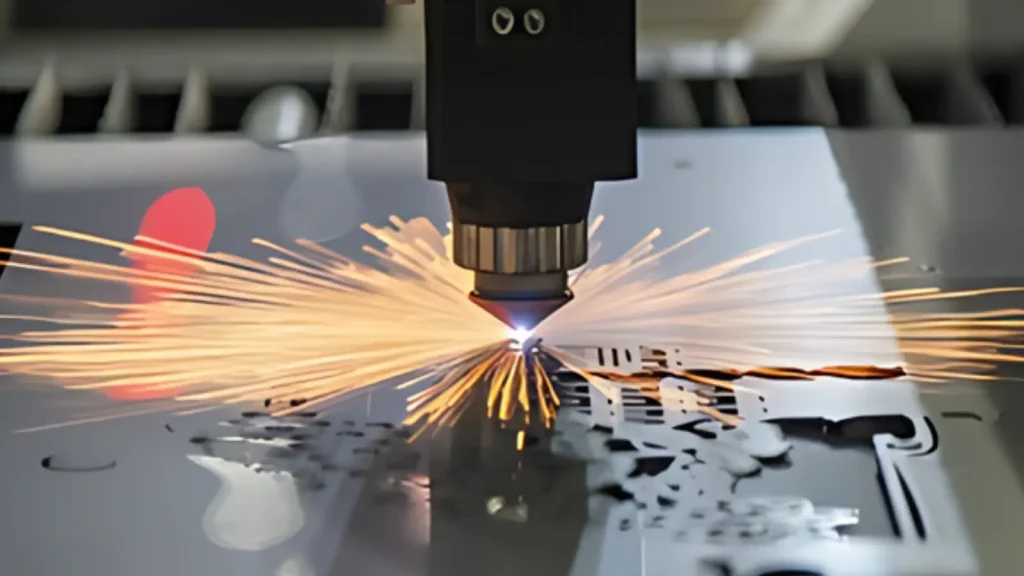
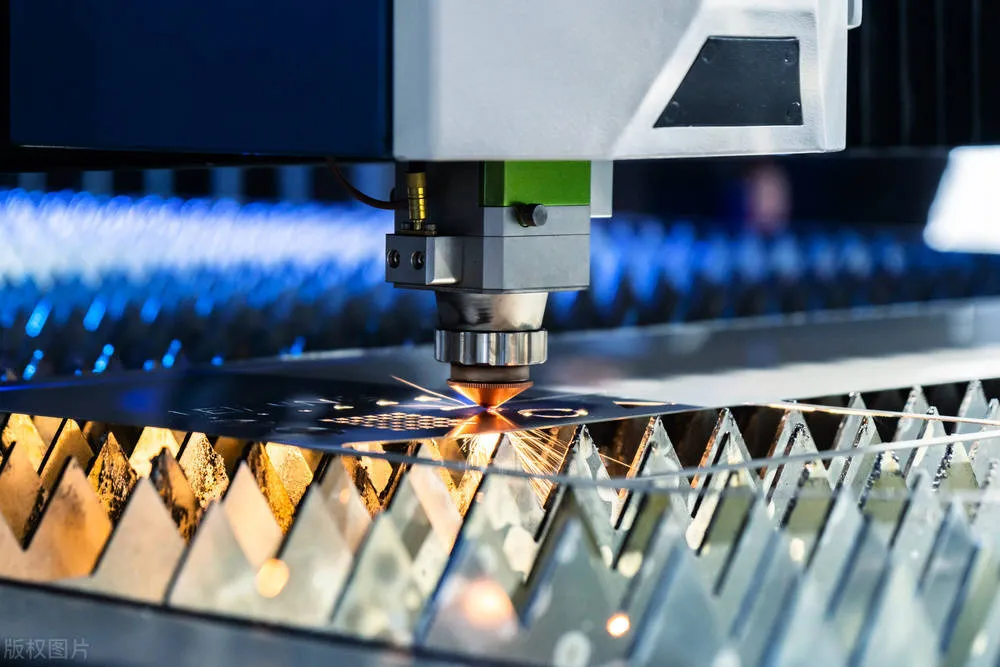
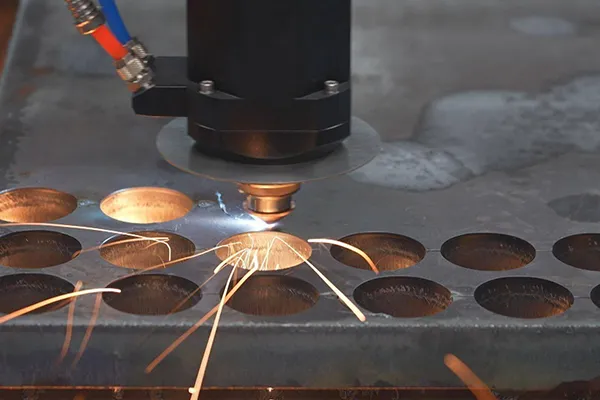
Modern intelligent laser cutting systems operate on a non-contact, zero-pressure principle. By precisely focusing high-power beams, these systems achieve autonomous pathing and automated blanking based on custom parameters. This achieves clean, smooth cuts in sheet metal processing without the need for manual alignment or mold assistance, thereby eliminating bottlenecks previously caused by “crude workmanship.”
02.Consistency and Traceability: The Pillars of Reliability
In high-end manufacturing, quality is defined by consistency. Intelligent, program-driven laser cutting eliminates the variables associated with manual operation.
Batch Uniformity: Ensures every component in a mass-production run is dimensionally identical.
Traceability: Digital workflows allow for controlled quality management from start to finish. For equipment like energy storage cabinets—which must serve in complex environments for decades—process precision is synonymous with long-term operational safety. This reliability is the primary reason why industry leaders insist on laser-cut blanking for high-end projects.
03.Front-End Process Control: Strengthening the Value Chain
Superior energy storage equipment is the result of refined craftsmanship at every stage. As a critical upstream process, laser cutting in sheet metal fabrication plays a pivotal role in quality control.By establishing an ultra-precise foundation, it facilitates seamless subsequent stages: precision bending, seamless welding, and corrosion-resistant coating. In the green energy sector, this “hardcore” manufacturing capability ensures that every cabinet is a product of micron-level integrity and industrial excellence.
04.The Pulse of the Modern Workshop: Efficiency Meets Flexibility
Stepping into a modern production facility, the laser beam replaces the noise and vibration of traditional shearing.
Versatility: The system adapts its power output to handle carbon steel, stainless steel, and various alloys used in ESS construction.
Flexibility: Laser cutting enables “flexibility in innovation.” It enables rapid switching between complex and irregular geometries in sheet metal processing, eliminating the downtime required for die changes. Whether in mass production or R&D prototyping, laser cutting ensures that high-end customization does not come at the expense of standardized quality.
Conclusion: Precision as the New Standard
Using light as a blade, modern laser technology eliminates material deformation and secures micron-level accuracy. It represents a shift from “rough processing” to intelligent manufacturing. For the energy storage industry, every beam that hits the metal surface is a commitment to quality, ensuring that every sheet metal component possesses the standard, texture, and longevity required for global industrial leadership.