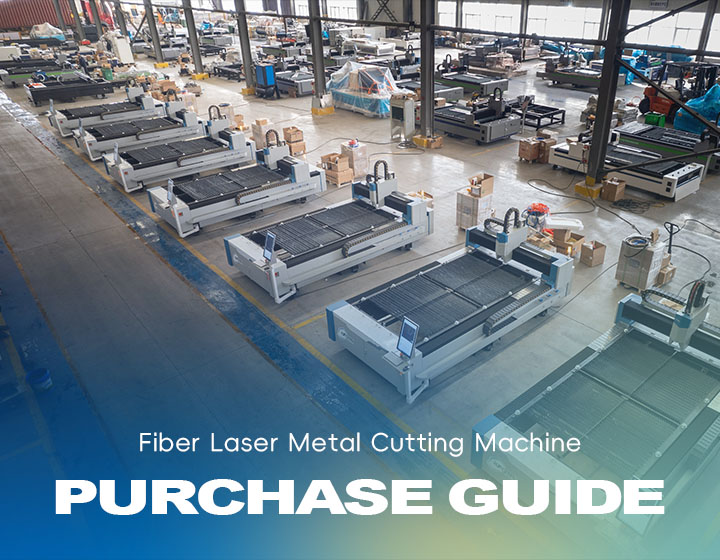
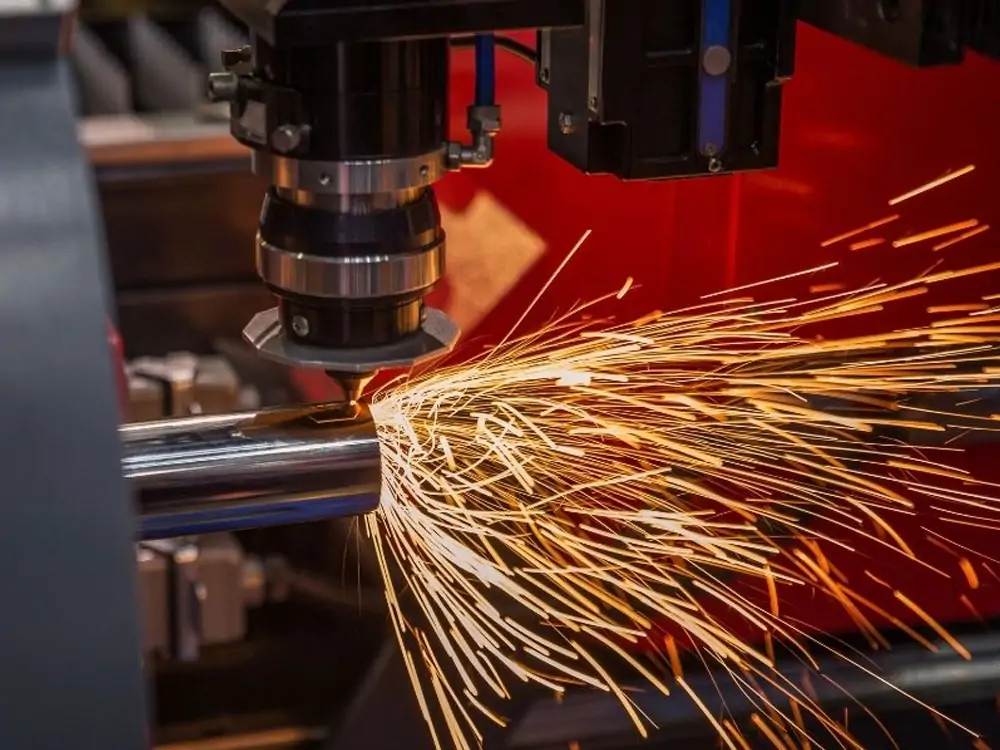
Stainless steel tube laser cutting machines have emerged as cornerstone equipment in the metal pipe processing sector. By utilizing high-energy laser beams for non-contact, high-speed cutting, these systems offer significant advantages in precision, edge quality, and overall throughput. In the competitive landscape of B2B industrial manufacturing, selecting a high-performance system is not merely a matter of equipment specs—it directly dictates production efficiency and the total cost of ownership (TCO).
I. Lowering the Barrier to Entry: The Software Revolution
A significant trend in the market is the shift toward autonomous R&D in control systems to lower the operational threshold. Leading manufacturers, such as Jinan KF Laser Equipment Co., Ltd. (est. 2010), have focused on simplifying the user interface.
Traditionally, tube laser cutters required highly skilled technicians proficient in complex 3D nesting software. Modern iterations now feature “drawing-free” rapid startup functions. By simply inputting pipe dimensions and hole parameters, new operators can become proficient within a single day of training. This innovation effectively mitigates the recruitment challenges faced by Small and Medium Enterprises (SMEs) in the high-tech fabrication sector.
II. Structural Engineering and Resource Optimization
The efficiency of a tube laser cutter is defined by its core components: the laser source, cutting head, chuck system, and control unit. High-tier manufacturers provide structural optimizations tailored to specific profiles, including round, square, angle, and channel steel.
Front-Loading Automatic Systems:Compared to traditional rear-loading designs, front-end automatic loading significantly increases production cadence while reducing manual labor intensity.
Zero-Tailings Technology: Advanced algorithms allow the rear chuck to serve as the cutting origin, enabling “zero-tailings” processing. This dramatically increases material utilization rates, directly impacting the comprehensive ROI of the equipment.
III. Strategic Procurement: A Technical Q&A for Decision Makers
Q1: How can I verify if the processing accuracy meets my requirements?
Processing precision depends on laser stability, the rigidity of the transmission system, and the sophistication of the control algorithms. Procurement officers should evaluate the manufacturer’s quality control protocols, such as 72-hour full-load stress tests and simulated high/low-temperature environmental testing. Always request a “three-tier aging report” for the optical path, transmission, and control systems to ensure long-term stability.
Q2: How do I evaluate a manufacturer’s technical R&D strength?
Technical prowess is measured by the volume of invention patents, the background of the R&D team, and industry recognition. While some manufacturers may not participate in national standard-setting, their deep expertise in niche applications—such as specialized shelving, furniture fabrication, or security fencing—is an invaluable indicator of practical reliability.
Q3: How should I configure equipment for different application scenarios?
Mass Production (Fences/Grills): Prioritize systems with automatic loading and integrated slag removal for seamless multi-process execution.
High-Precision (Automotive/Medical): Focus on higher laser wattage and the dynamic stability of the cutting head.
Structural Profiles (Angle/Channel Steel): Opt for systems with high-adaptability chucks, such as dual-chuck or mobile front-chuck configurations.
Q4: How can long-term maintenance costs be effectively controlled?
Maintenance costs are driven by the replacement frequency of consumables and the speed of after-sales response. Modular designs simplify the replacement of wear parts, while integrated digital management systems allow users to monitor production data and control consumable consumption in real-time.
Conclusion: Making an Informed Investment
Prior to procurement, it is essential to confirm whether the manufacturer offers remote diagnostics and comprehensive training services to minimize downtime risk. By synthesizing technical parameters, R&D capability, and application compatibility, industrial buyers can make rational decisions that significantly enhance their production capacity and market competitiveness