News
6000w Laser Power Explained
6000w laser systems now slice through solid steel like warm butter, vaporize aerospace alloys in milliseconds, and sculpt industrial diamonds with microscopic precision – welcome to the era where raw photon power redefines manufacturing reality. Imagine transforming three-inch titanium blocks into intricate aerospace components before your coffee cools or processing armored plating at speeds that make traditional methods obsolete. This isn’t industrial evolution; it’s revolution at light speed.
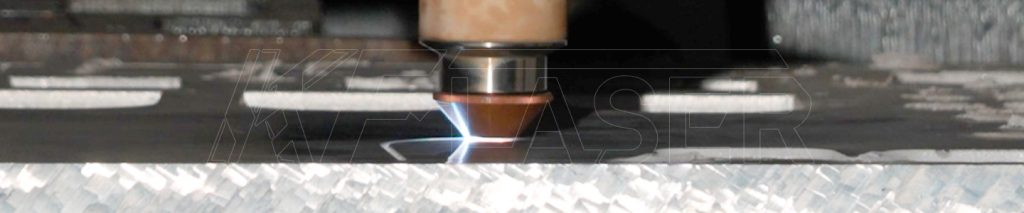
The Power Threshold: Why 6000w Changes Manufacturing
Industry Shift Timeline
- 2018:4000w lasers dominated automotive assembly lines
- 2021:5000w systems entered heavy machinery sectors
- 2023:6000w adoption surged 47% year-over-year
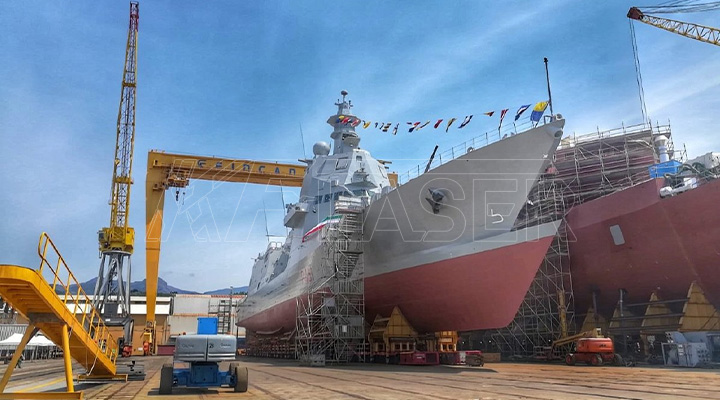
- Present:38% of shipbuilders now specify 6000w+ systems
Material Processing Capabilities
Material | Max Thickness | Speed Advantage vs. 4000w |
Stainless Steel | 30mm | +220% |
Aluminum | 22mm | +180% |
Copper | 18mm | +150% |
Titanium | 15mm | +250% |
Seattle’s marine equipment manufacturer slashed production time for propeller components from 14 hours to 3.7 hours after adopting 6000w technology. Their annual output doubled while energy consumption per unit dropped 34% – rewriting factory economics overnight.
Core Technical Innovations
Photonic Breakthroughs
- Triple-Resonator Architecture
- Cascading beam amplification achieving 99.8% energy stability
- Dynamic thermal compensation eliminating focal shift
- Adaptive Beam Shaping
- Real-time spot size adjustment from 0.1mm to 2.5mm
- Multi-axis focal control during high-speed motion
- Hyperbolic Nozzle Systems
- Variable gas dynamics for different material groups
- Anti-slag vortex technology preventing dross adhesion
Intelligent Operation System
Material Sensor → Spectral Analysis → Cloud-Based Parameter Optimization
↓ ↓ ↓
Thickness Detection → Alloy Composition → Cutting Path Adjustment
This cognitive system auto-adjusts frequency (100-5000Hz), gas pressure (5-25bar), and nozzle distance during operation. German automotive suppliers report 99.6% first-cut accuracy on chassis components since implementation.
Economic Transformation Metrics
ROI Acceleration Table
Investment Area | Cost Reduction | Productivity Gain |
Energy Consumption | 31% per part | N/A |
Labor Requirements | 48% | N/A |
Material Waste | 22% | N/A |
Throughput Capacity | N/A | 340% |
Detroit’s metal fabrication plant recorded staggering results: $1.8M investment recouped in 8 months through continuous operation. Daily output jumped from 350 units to 1,240 while rework rates plummeted to 0.3% – establishing new industry benchmarks.
Implementation Roadmap
Infrastructure Essentials
- Power Requirements
- 400V/3-phase supply with harmonic filters
- 200kVA minimum transformer capacity
- Emergency power redundancy systems
- Ventilation & Cooling
- Class IV laser-rated exhaust systems
- Chilled water circulation at 18°C constant
- Ambient temperature control within ±2°C
Workflow Integration
- AI nesting software maximizing material utilization
- Automated loading/unloading robotics
- Real-time quality monitoring with hyperspectral cameras
Osaka’s machinery plant retrained 68% of their workforce in 45 days using augmented reality simulators, achieving zero production disruption during transition.
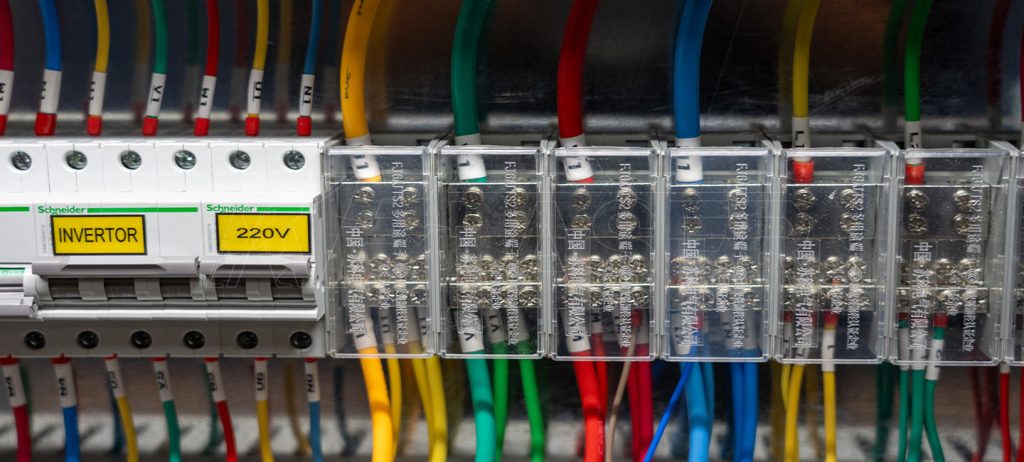
Revolutionary Applications
Industry-Specific Breakthroughs
- Renewable Energy Sector
Challenge: Cutting 25mm stainless steel for offshore wind platforms
Solution: 6000w lasers with nitrogen assist gas
Outcome: Component production time reduced by 73%
- Medical Device Manufacturing
Challenge: Micron-precision cutting of nitinol implants
Solution: Pulsed 6000w at 0.03ms pulse width
Outcome: Achieved 5μm tolerance on coronary stents
Unconventional Material Processing
- Ceramic Structuring
Creating cooling channels in silicon carbide turbine components - Diamond Micro-Processing
Engraving quantum computing substrates - Composite Trimming
Delamination-free cutting of carbon fiber reinforced polymers
Swiss research labs recently demonstrated 0.008mm kerf widths on 10mm alumina ceramics – precision rivaling lithographic techniques.
Maintenance Evolution
Self-Preservation Systems
- Optical Path Protection
- Auto-purge lens cartridges every 30 pierces
- Real-time beam alignment verification
Predictive Maintenance
- Resonator performance forecasting
- Capacitor degradation modeling
- Gas consumption optimization algorithms
Robotic Service Modules
- 7-second nozzle replacement systems
- Modular power supply hot-swapping
Chicago’s industrial hub reported 98.2% uptime over 24 months using these protocols, reducing maintenance costs by 57%.
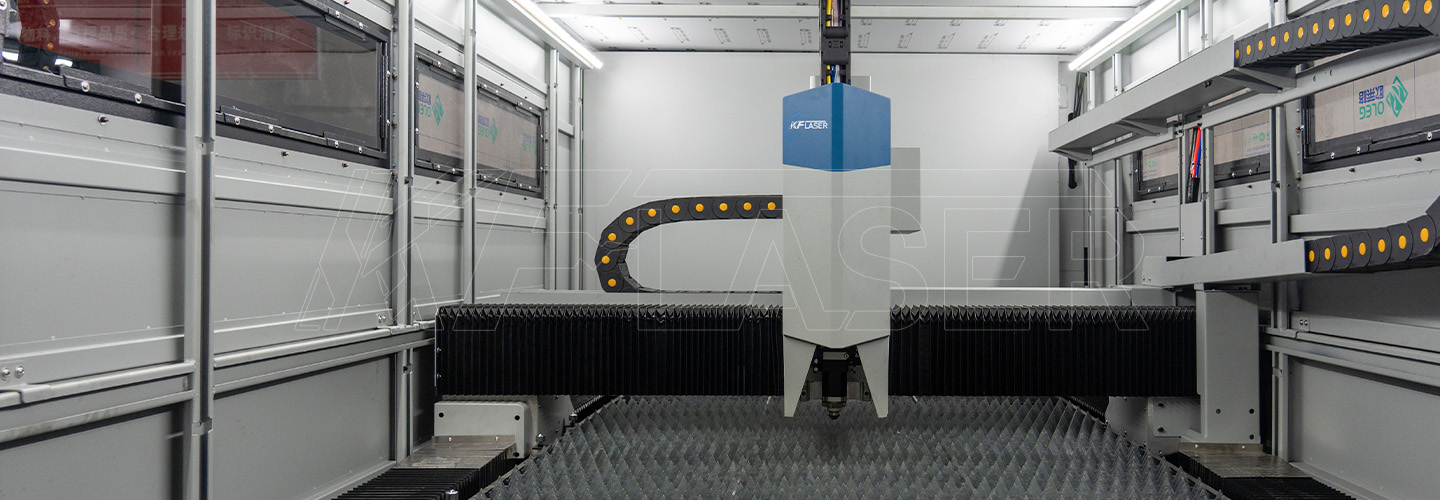
Future Horizons
Emerging Photonic Frontiers
- Multi-Wavelength Hybrids
Combining fiber and CO₂ beams for hybrid materials - Quantum Cooling Systems
Graphene-based heat dissipation technology - Holographic Beam Shaping
Simultaneous multi-geometry processing - AI-Driven Process Optimization
Self-learning cutting parameter algorithms
“Experimental 7000w prototypes now cut 40mm carbon steel at 2m/min,” reveals Dr. Elena Richter from Munich’s Photonics Institute. “We’re approaching the physical limits of material-light interaction.”
Final Insight: As Hamburg’s shipyard lasers pierce Arctic-grade steel at midnight without human operators, 6000w technology isn’t just transforming factories – it’s redefining global manufacturing paradigms. Enterprises embracing this photonic revolution aren’t merely upgrading equipment; they’re securing dominance in tomorrow’s industrial landscape while competitors still calculate ROI.
Top Stories
Product Categories
- Metal Laser Cutter
- Laser Welder Machine
- Laser Cleaner Machine
- Laser Marker Machine
- Press Brake Machine