In the landscape of modern manufacturing and international trade, high-efficiency and high-precision processing technologies are the keys to gaining a competitive edge. Laser cutting technology, as an advanced non-contact processing method, is widely applied across metal and non-metal materials. With its unparalleled advantages, it has become a driving force for industrial upgrading. This guide provides a comprehensive look into the principles, features, and applications of this cutting-edge laser cutting technology.
The laser beam features high quality, and its energy is continuously adjustable.
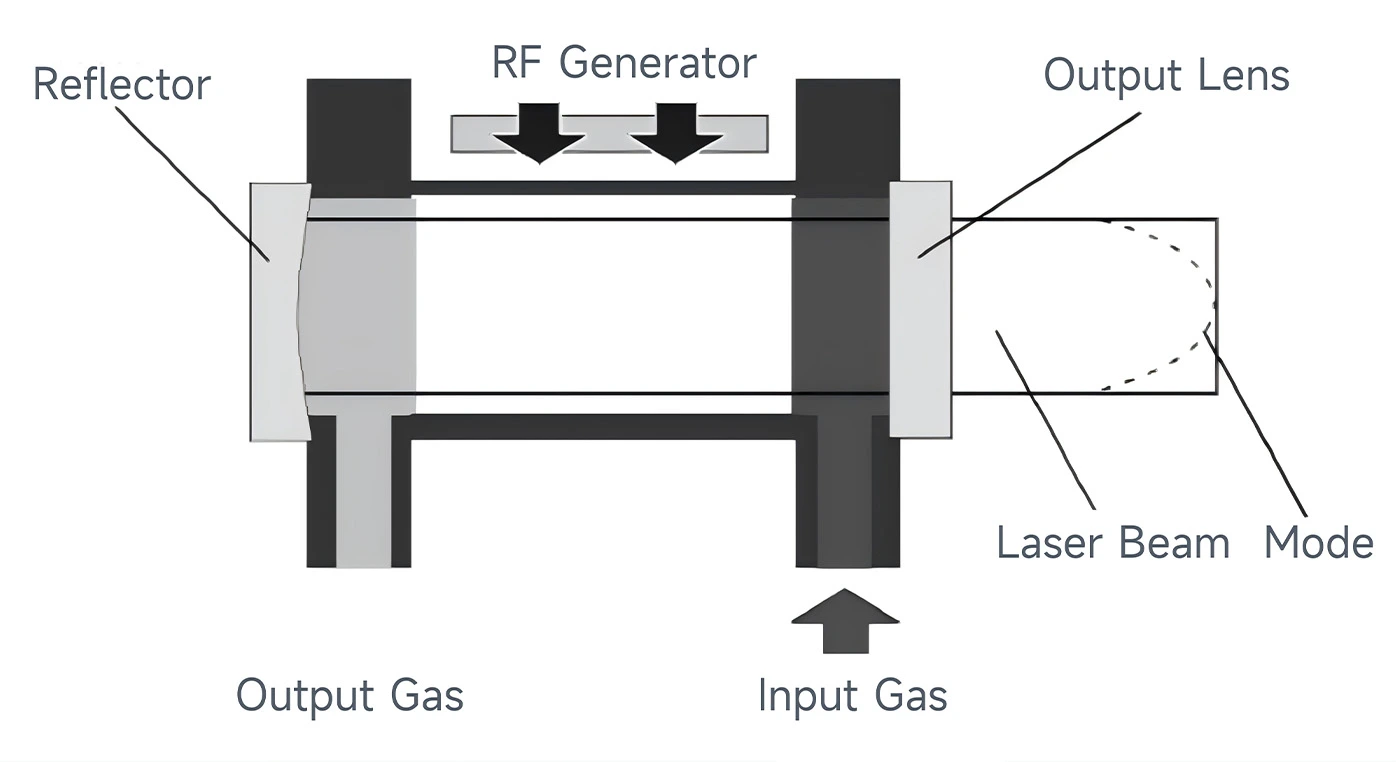
Utilizing RF technology, it exhibits a low gas consumption rate.
I. The Essence of Laser Cutting: An Extraordinary Beam of Light
At the heart of laser cutting is the “Light Amplification by Stimulated Emission of Radiation.” Generated through a stimulated emission process, this beam differs from ordinary light in several core characteristics that make it ideal for industrial use:
Superior Directionality:The beam is nearly parallel, ensuring concentrated energy for laser cutting.
Excellent Monochromaticity:Highly consistent wavelengths result in precision.
High Brightness and Intensity:Energy density can be millions of times higher than ordinary light.
High Coherence:Perfectly synchronized waves make it a versatile tool.
These properties allow the beam to be focused into an extremely small spot, creating the high energy density required for a professional laser cutting process.
II. How Laser Cutting Works
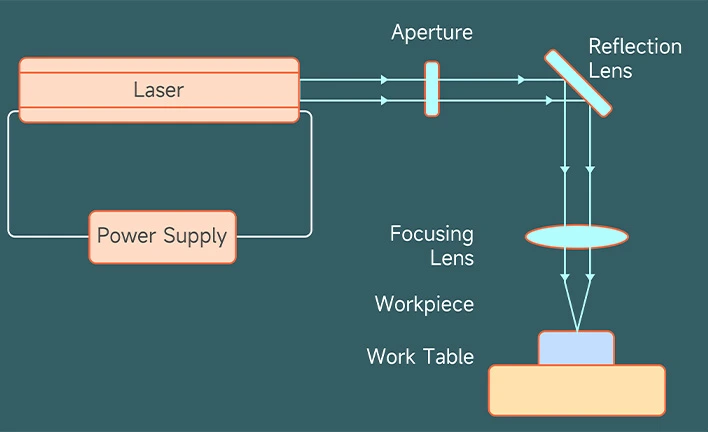
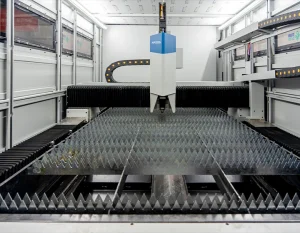
A typical laser cutting system primarily consists of a laser source, a light-guiding and focusing system, a worktable, and a CNC system. The core process of laser cutting is as follows:
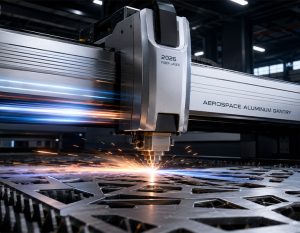
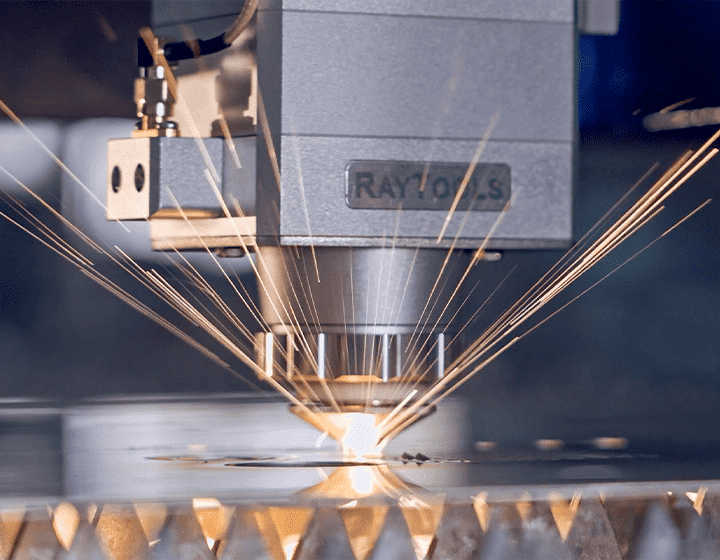
Energy Conversion:A high-power focused beam irradiates the workpiece. The light energy is rapidly absorbed and converted into thermal energy.
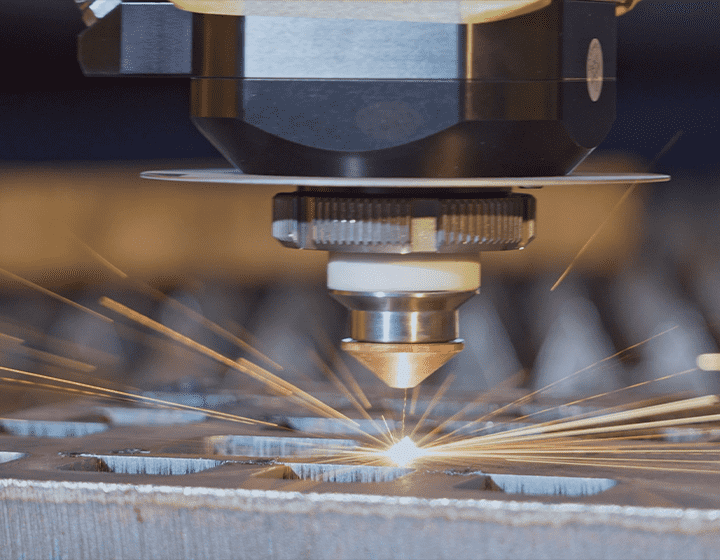
Melting and Vaporization:The temperature rises instantly, causing the material to melt or vaporize during the laser cutting
Material Removal:Molten material is ejected, assisted by a high-speed flow of assist gas (such as Oxygen or Nitrogen), completing the laser cutting path with a smooth-edged kerf.
III. Exceptional Features of Laser Cutting
Superior Quality:Thanks to concentrated energy, laser cutting produces a narrow kerf and an extremely small Heat-Affected Zone (HAZ), resulting in minimal deformation.
High Precision:Integrated with CNC systems, laser cutting accuracy can reach ±0.05mm, meeting stringent component requirements.
Efficiency and Flexibility:Laser cutting can quickly process complex graphics. Switching products only requires a software update, making it ideal for flexible production.
Comparison of Laser Cutting, Oxygen Ethylene Cutting, and Plasma Cutting Methods
cutting method
Incision width/mm
Width of the heat-affected zone/mm
Incision morphology
cutting speed
installation cost
laser cutting
0.2~0.3
0.04~0.06
parallel
quick
high
oxyacetylene cutting
0.9~1.2
0.6~1.2
Parallel Comparison
slow
low
plasma(arc)cutting
3.0~4.0
0.5~1.0
Wedge-shaped and tilted
quick
Medium to High
Broad Material Versatility:Beyond metals like Stainless Steel and Carbon Steel, laser cutting excels in processing fabrics, plastics, and ceramics.
Clean and Non-Contact:There is no tool wear or mechanical stress during laser cutting, ensuring a cleaner production environment.
IV. Core Technology and Gas Applications in Laser Cutting
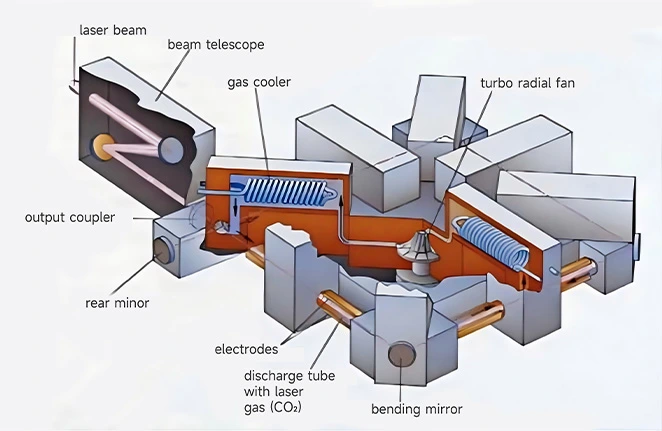
Advanced laser cutting relies on specific gas management. For example, in CO2 laser cutting systems, a mixture of Carbon Dioxide, Nitrogen, and Helium (1:4:5) is used to generate the beam. Helium plays a critical role in maintaining system stability. Note that these internal gases are separate from the assist gases (Oxygen, Nitrogen, or Compressed Air) used at the nozzle to remove molten material during the laser cutting execution.
V. Diverse Laser Cutting Application Fields
Laser cutting technology has permeated every facet of modern industry:
Automotive Manufacturing:Laser cutting is used for complex body panels and structural components.
Aerospace:Processing engine components and titanium skins via laser cutting solves traditional machining challenges.
Machinery & Equipment:Producing high-precision enclosures and mechanical parts through laser cutting.
Electronics and Hardware:Precise fabrication of metal casings and heat sinks using laser cutting.
Emerging Sectors:From garment tailoring to architectural models, the boundaries of laser cutting continue to expand.
Conclusion
With its precision, speed, and broad material adaptability, laser cutting technology has become an indispensable pillar of modern manufacturing. For global trade enterprises seeking to enhance product quality and shorten lead times, investing in laser cutting is a strategic choice to win trust in the global market.
We specialize in providing advanced laser cutting solutions and high-quality processing services. If you wish to learn more about laser cutting technical details, feel free to contact us. Let our expertise infuse your products with the soul of precision manufacturing.