News
Unlock the Secrets of the Ultimate Cutters for Steel
Introduction
In a bustling metal – working workshop, the rhythmic hum of machinery fills the air. A skilled worker stands before a large steel workpiece, his brow furrowed in concentration. He’s been tasked with cutting this thick steel plate into precise sections for an upcoming construction project. But as he looks at the array of cutting tools before him, he realizes that the wrong choice could lead to a host of problems. The wrong cutter might not be able to penetrate the tough steel, or it could cause the edges to be ragged, ruining the quality of the cut. This scenario is all too common in the world of steel – cutting, highlighting the critical importance of choosing the right cutter for the job.
Steel, with its unrivaled strength, durability, and versatility, is an essential material across countless industries. From the towering skyscrapers that define our city skylines to the precision – engineered components in high – performance vehicles and advanced machinery, steel is everywhere. However, working with steel requires specialized tools, and among these, cutters for steel are of utmost significance. These cutters come in a wide variety of types, each designed to meet specific cutting requirements. Understanding the different types of cutters for steel, how to select the right one for a particular task, and how to maintain them properly is the key to achieving efficient, high – quality steel – cutting operations. In this article, we will embark on a comprehensive journey into the world of cutters for steel, uncovering the secrets that will help you unlock the potential of the ultimate cutter for steel.
Understanding the Basics of Steel and Cutting
The Nature of Steel
Steel is an alloy primarily composed of iron and carbon, with carbon content typically ranging from 0.02% to 2.1% by weight. The small percentage of carbon significantly influences the properties of steel, making it stronger and harder than pure iron. However, steel is a diverse material, and there are several types, each with unique characteristics that impact the cutting process.
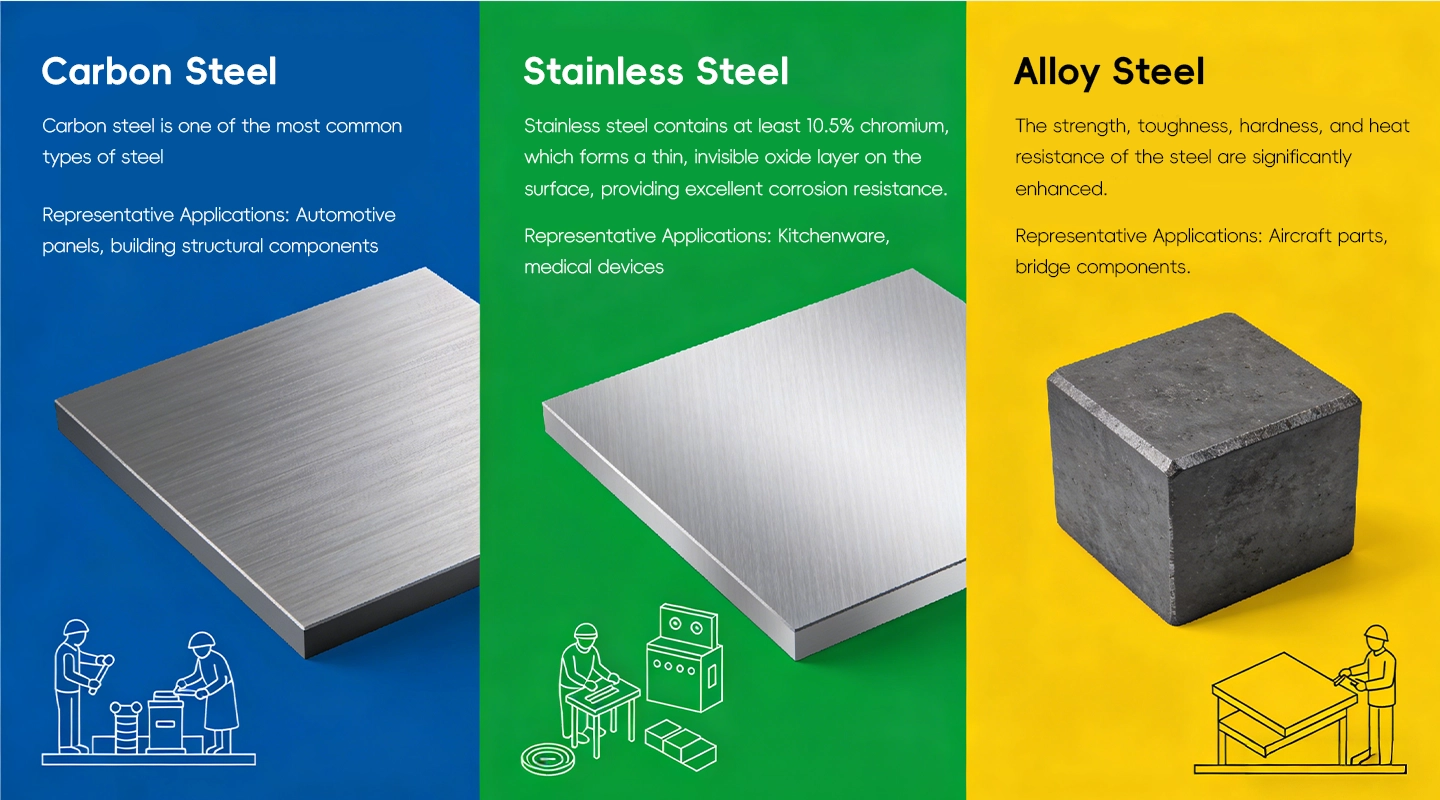
Carbon Steel: Carbon steel is one of the most common types, and it is further classified based on its carbon content. Low – carbon steel, with a carbon content of less than 0.3%, is relatively soft and ductile. It is easy to cut, bend, and weld, making it suitable for applications like automotive body panels, pipes, and general – purpose structural components. For example, in the production of car doors, low – carbon steel sheets can be easily cut into the required shapes using shearing machines or laser cutters. Medium – carbon steel, with a carbon content between 0.3% and 0.6%, has higher strength and hardness compared to low – carbon steel. It is often used in the manufacturing of machine parts such as axles and gears. Cutting medium – carbon steel requires more robust cutters due to its increased hardness. High – carbon steel, containing 0.6% to 2.1% carbon, is extremely hard and strong but less ductile. It is used for applications where high wear resistance is needed, like blades and springs. Cutting high – carbon steel is the most challenging among carbon steels, as it requires cutters with exceptional hardness and wear – resistance.
Stainless Steel: Stainless steel contains a minimum of 10.5% chromium, which forms a thin, invisible oxide layer on the surface, providing excellent corrosion resistance. This makes it ideal for applications in harsh environments, such as kitchen utensils, medical equipment, and chemical processing plants. Austenitic stainless steels, the most common type, are non – magnetic and have good formability. However, they tend to work – harden during cutting, which can cause problems for the cutter. Ferritic stainless steels are magnetic and have better resistance to stress – corrosion cracking than austenitic types but are less formable. Martensitic stainless steels are heat – treatable and offer high strength and hardness, but they are more prone to corrosion than other stainless steel types. When cutting stainless steel, cutters need to be able to withstand the work – hardening effect and the high – temperature conditions generated during the cutting process.
Alloy Steel: Alloy steel is steel that contains additional alloying elements such as nickel, chromium, molybdenum, vanadium, and tungsten, in addition to carbon. These elements are added to enhance specific properties like strength, toughness, hardness, and heat resistance. For example, nickel – chromium alloy steels are used in the aerospace industry for components like jet engine parts due to their high strength and heat resistance. Molybdenum – alloyed steels are often used in the construction of heavy – duty machinery, as they offer excellent wear resistance and toughness. The presence of these alloying elements can make alloy steels more difficult to cut, depending on the type and amount of the alloying elements. Cutters for alloy steels need to have high heat resistance and hardness to effectively machine these materials.
Requirements for Cutting Steel
Cutting steel is a demanding process that subjects the cutter to high levels of stress, heat, and friction. As a result, cutters for steel must possess several key properties to perform effectively and efficiently.
Hardness: The cutter must be significantly harder than the steel being cut. Hardness is the ability of a material to resist indentation or scratching. In the context of steel – cutting, a hard cutter can penetrate the steel surface and remove material without deforming or wearing out too quickly. For example, high – speed steel (HSS) cutters have a hardness of around 62 – 66 HRC (Rockwell Hardness C – scale), which allows them to cut relatively soft steels. Carbide cutters, on the other hand, have a hardness of 89 – 93 HRA (Rockwell Hardness A – scale), making them suitable for cutting harder steels. If a cutter is not hard enough, it will quickly wear down, leading to poor cutting quality and frequent cutter replacements.
Wear Resistance: Wear resistance is closely related to hardness. During the cutting process, the cutter is in constant contact with the steel, and the friction between them causes the cutter to wear. A wear – resistant cutter can maintain its cutting edge for a longer time, reducing the need for frequent replacements. Materials like carbide, which contain hard carbide particles bonded together, offer excellent wear resistance. In high – volume production environments, where cutters are used continuously, wear – resistance is crucial to ensure productivity and cost – effectiveness. For instance, in a steel – pipe manufacturing plant, carbide – tipped saw blades can cut thousands of meters of steel pipes before needing to be replaced, compared to less wear – resistant blades that would require more frequent changes.
Heat Resistance: Cutting steel generates a significant amount of heat due to the friction between the cutter and the workpiece. This heat can cause the cutter to soften and lose its cutting ability if it is not heat – resistant. Heat – resistant cutters can maintain their hardness and strength at high temperatures. High – speed steel cutters can operate at temperatures up to around 600°C without significant loss of performance. Carbide cutters can withstand even higher temperatures, up to 800 – 1000°C. Ceramic cutters are known for their exceptional heat resistance and can operate at temperatures above 1000°C. In high – speed cutting operations, where the heat generated is substantial, heat – resistant cutters are essential to ensure the integrity of the cutting process.
Strength and Toughness: While hardness and wear – resistance are important for the cutting edge, the cutter also needs to have sufficient strength and toughness to withstand the cutting forces and any impacts that may occur during the cutting process. Strength is the ability of the cutter to resist deformation under load, and toughness is the ability to absorb energy without fracturing. High – speed steel cutters have good strength and toughness, which makes them suitable for applications where there may be some vibration or impact during cutting, such as in milling operations. Carbide cutters, although very hard, are more brittle and have lower toughness than HSS cutters. However, their strength can be optimized through proper design and the use of appropriate binders. In applications where the cutter may be subjected to high – impact forces, such as in some metal – stamping operations, cutters with a good balance of strength and toughness are required to prevent breakage.
Types of Cutters for Steel
Rotary Cutters
Rotary cutters, also known as rotary saws or circular saws when specifically referring to their saw – like form, are a common type of cutter for steel. These cutters consist of a circular blade with sharp teeth or cutting edges. The blade is mounted on a spindle and rotates at high speeds, typically powered by an electric motor, hydraulic system, or pneumatic system.
The working principle is straightforward: as the blade rotates, the teeth on the blade engage with the steel workpiece. The sharp teeth cut into the steel, removing small chips of material with each rotation. The rotation speed of the blade is a crucial factor in the cutting process. Higher rotation speeds generally result in faster cutting, but they also generate more heat and require the cutter to have better heat – resistance and wear – resistance.
In the automotive manufacturing industry, rotary cutters are often used for cutting steel sheets and bars during the production of various components. For example, when manufacturing car body frames, rotary cutters can quickly and efficiently cut the steel bars to the required lengths, preparing them for further shaping and assembly. In construction, rotary cutters are used to cut steel beams and pipes. A construction worker might use a portable rotary cutter to cut steel pipes on – site for plumbing or structural support installations.
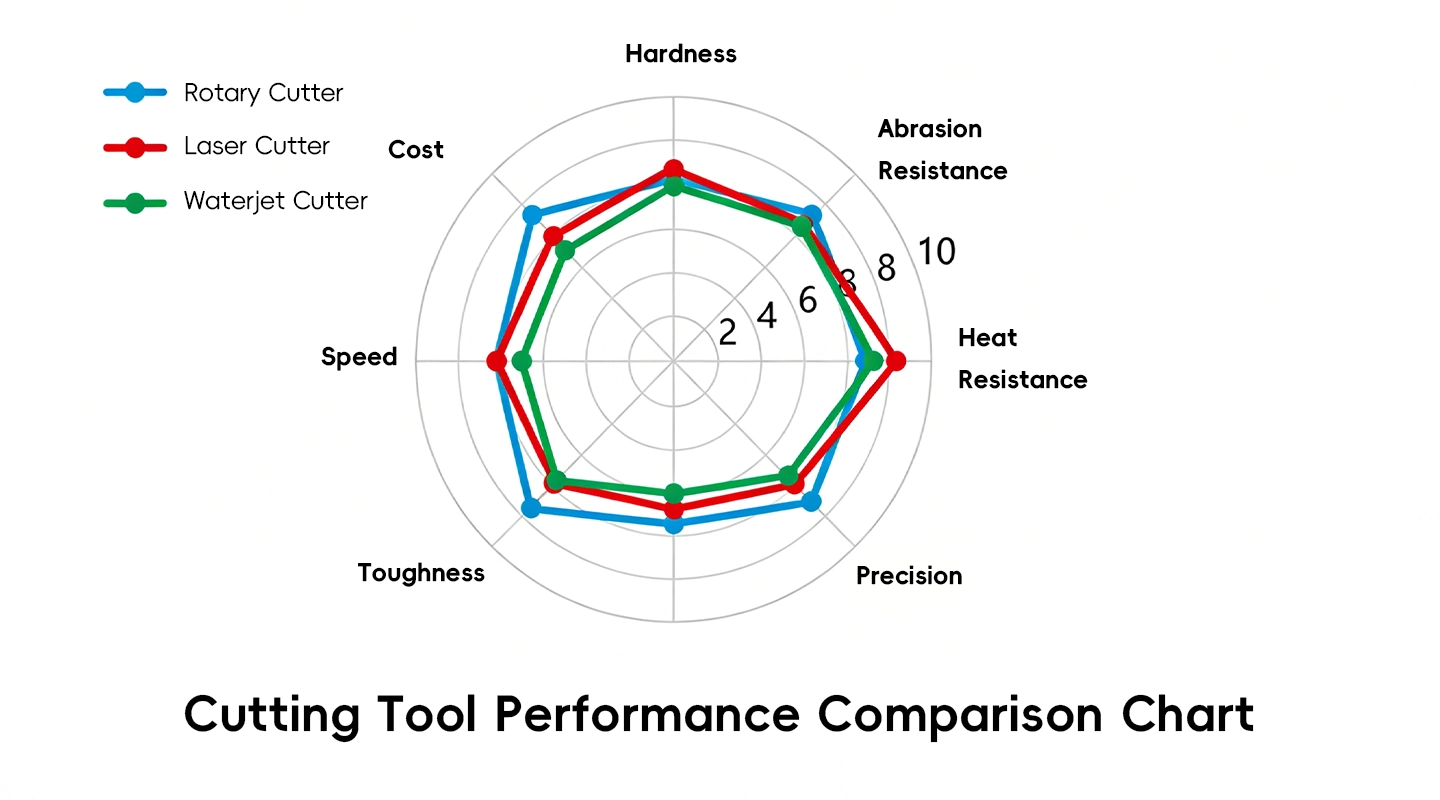
One of the main advantages of rotary cutters is their relatively high cutting efficiency. They can quickly cut through steel, especially when dealing with straight – line cuts. However, their precision is relatively lower compared to some other types of cutters. The width of the cut, known as the kerf, can be relatively wide, which may not be suitable for applications that require very tight tolerances. Also, due to the nature of the rotating blade, there can be some vibration during cutting, which can affect the smoothness of the cut surface.
Laser Cutters
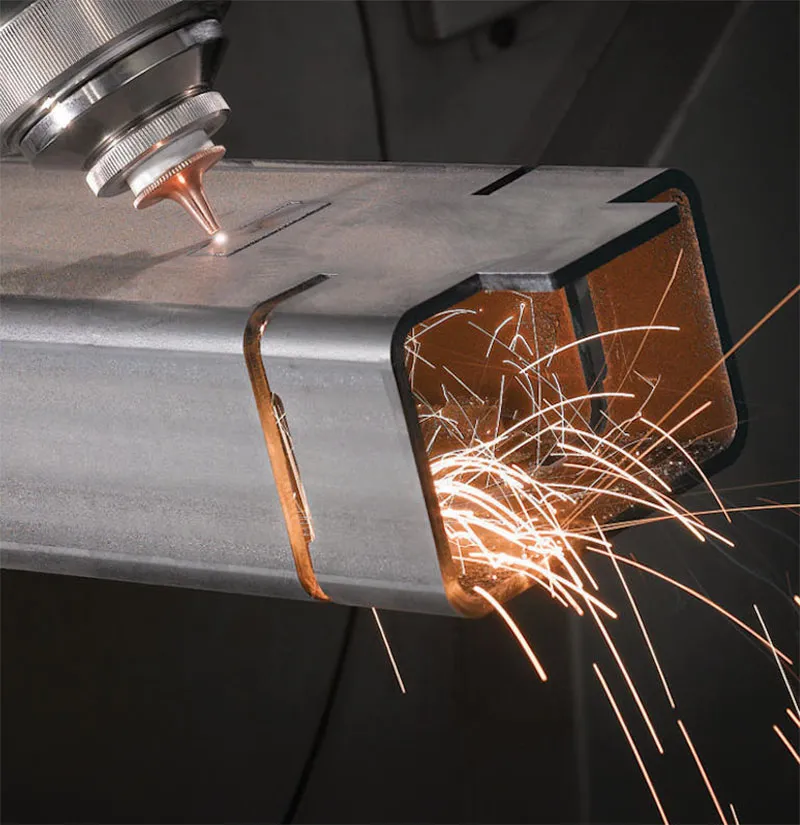
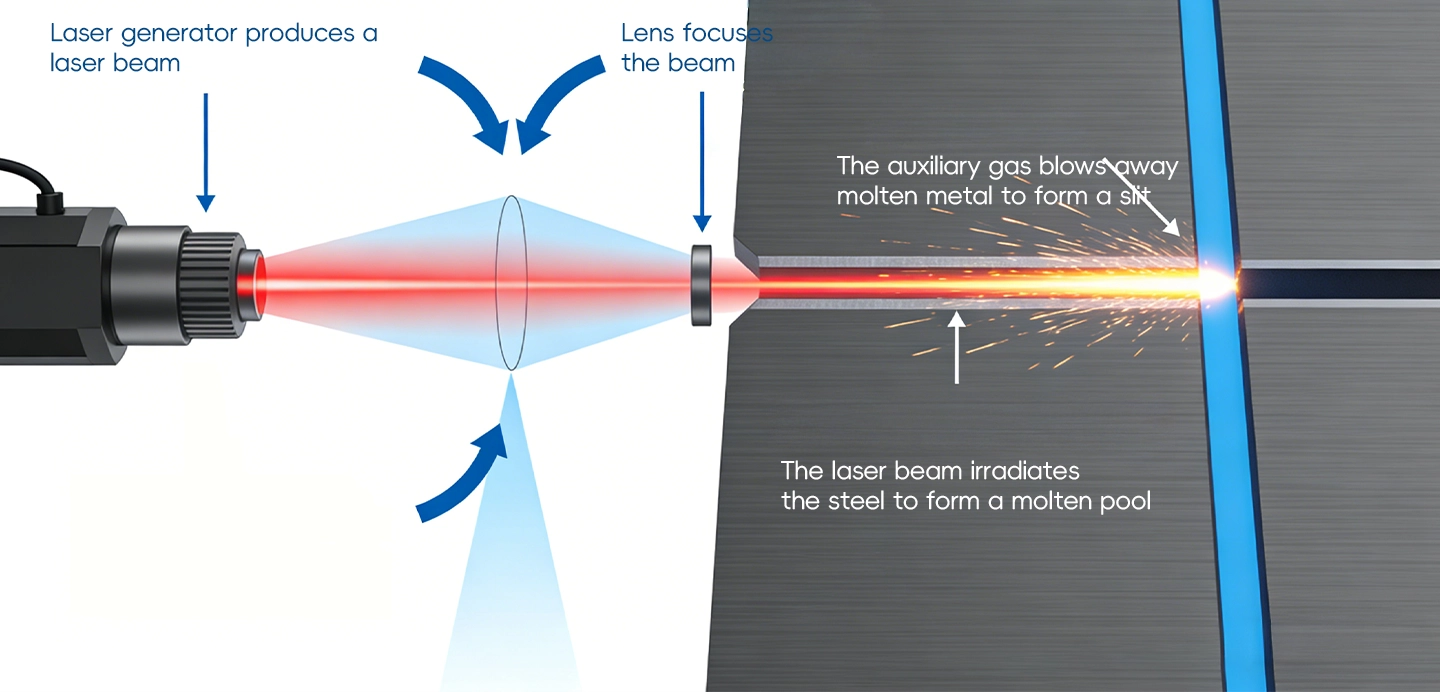
Laser cutters represent a more advanced and precise way of cutting steel. These cutters operate based on the principle of using a highly concentrated laser beam. The laser beam is generated by a laser source, which can be a gas laser (such as a CO₂ laser), a solid – state laser (like a fiber laser), or a diode – pumped laser.
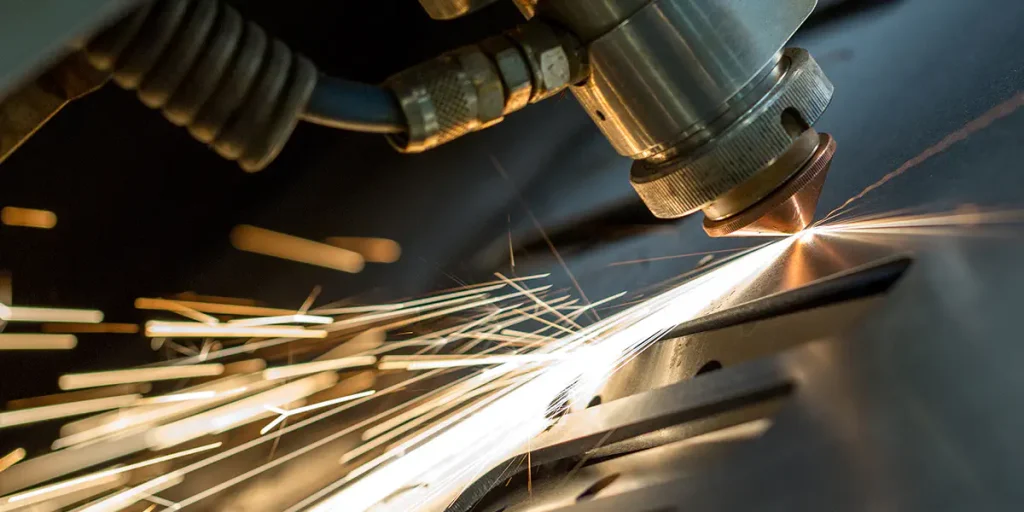
When the high – energy laser beam strikes the steel surface, it rapidly heats up the steel. The heat causes the steel to melt and vaporize almost instantaneously. The melted and vaporized steel is then blown away from the cut area by a jet of assist gas, such as oxygen or nitrogen. This leaves behind a clean, precise cut.
Laser cutters are highly valued for their ability to achieve extremely high precision. They can cut intricate and complex shapes in steel with a high degree of accuracy. For example, in the production of small, detailed steel parts for electronics or jewelry, laser cutters can create fine patterns and precise contours that would be very difficult to achieve with other cutting methods. In the aerospace industry, laser cutters are used to cut high – strength steel components with tight tolerances. These components need to be precisely cut to ensure the proper functioning and safety of aircraft.
However, laser cutters also have some drawbacks. The equipment itself is quite expensive, both in terms of the initial purchase cost and the cost of maintenance. The high – power laser sources and the associated optical and control systems contribute to the high price. Additionally, the thickness of the steel that can be cut by a laser cutter is limited. While they can cut thin to medium – thickness steel sheets very effectively, cutting thick steel plates with a laser cutter becomes more challenging and may require multiple passes or a very high – power laser, which further increases costs.
Water Jet Cutters
Water jet cutters operate on a unique principle compared to the previous two types. These cutters use a high – pressure stream of water, sometimes mixed with abrasive particles, to cut through steel. The basic components of a water jet cutter include a high – pressure pump, a nozzle, and a control system.
The high – pressure pump pressurizes the water to extremely high levels, often in the range of thousands of pounds per square inch (PSI). The pressurized water is then forced through a small nozzle, creating a high – velocity water jet. When cutting steel, abrasive particles such as garnet are added to the water jet. These abrasive particles act like tiny cutting tools, abrading and removing the steel material as the water jet impacts the steel surface.
Water jet cutters find applications in a wide range of industries, especially in the aerospace and marine industries. In aerospace, they are used to cut complex – shaped steel parts for aircraft wings, fuselages, and engine components. The ability of water jet cutters to cut without generating heat – affected zones (HAZ) is highly beneficial in these applications, as it ensures that the mechanical properties of the steel remain unchanged. In the marine industry, water jet cutters are used to cut steel plates for shipbuilding. They can cut large – sized steel plates with precision, even in challenging marine – related environments.
One of the significant advantages of water jet cutters is that they cause no thermal distortion to the steel during cutting. This is because the cutting process is mechanical, relying on the impact of the water and abrasive particles rather than heat. They can also cut a wide variety of materials, not just steel, making them a versatile option in workshops that deal with multiple types of metals and non – metals. However, water jet cutters have some limitations. The equipment investment is substantial, including the cost of the high – pressure pump, the abrasive – handling system, and the overall setup. Additionally, the cutting speed of water jet cutters is relatively slow compared to some other methods, especially when cutting thick steel, which can affect productivity in high – volume production scenarios.
Factors to Consider When Choosing a Cutter for Steel
Cutting Accuracy
Cutting accuracy is a crucial factor when choosing a cutter for steel, as it directly impacts the quality of the final product. Different steel – cutting applications have varying accuracy requirements. For instance, in the production of precision – engineered parts for the electronics industry, such as small steel components for connectors, the cutting accuracy needs to be extremely high, often within a few micrometers. Any deviation from the desired dimensions can lead to issues with the functionality and compatibility of these parts. In contrast, for large – scale construction projects, like cutting steel beams for building frameworks, the accuracy requirements may be less stringent, perhaps within a few millimeters.
When it comes to the performance of different cutters in terms of accuracy, laser cutters are renowned for their high – precision capabilities. They can achieve very fine cut edges with minimal kerf widths. A laser cutter can cut complex shapes in steel sheets with an accuracy of ±0.1mm or even better, depending on the quality of the equipment and the settings. This makes them ideal for applications where intricate designs and tight tolerances are required. Water jet cutters also offer high – precision cutting. They can cut steel with an accuracy of around ±0.1 – 0.2mm. The absence of heat – affected zones in water jet cutting contributes to its ability to maintain high accuracy, as there is no thermal distortion of the steel.
Rotary cutters, on the other hand, generally have lower cutting accuracy compared to laser and water jet cutters. The kerf width of a rotary cutter is relatively wide, usually several millimeters, depending on the thickness of the blade. This can result in less precise cuts, especially for applications that require high – precision dimensions. However, in some cases where the focus is on speed and the accuracy requirements are not as strict, rotary cutters can still be a viable option. For example, when rough – cutting large steel plates in a steel – fabrication yard, the speed of the rotary cutter can be more important than the absolute precision of the cut, as long as the cuts are within an acceptable tolerance range for further processing.
Speed of Cutting
The speed of cutting has a significant impact on production efficiency, especially in high – volume manufacturing environments. In a large – scale automotive factory that produces thousands of steel parts daily, faster – cutting cutters can reduce the production time for each part, allowing the factory to increase its overall output. For example, if a particular cutting operation on a steel component takes 10 minutes with a slower cutter but only 5 minutes with a faster one, the factory can potentially double its production rate for that part, assuming all other factors remain constant.
The speed of different cutters can vary greatly. Laser cutters can operate at high speeds when cutting thin – to – medium – thickness steel sheets. A high – power laser cutter can cut a 1 – 2mm thick steel sheet at a speed of several meters per minute. However, as the thickness of the steel increases, the cutting speed of the laser cutter decreases significantly. For example, when cutting a 10mm thick steel plate, the cutting speed may drop to less than 1 meter per minute.
Water jet cutters, while offering high – precision cuts, generally have a lower cutting speed compared to laser cutters, especially when cutting thick steel. The cutting speed of a water jet cutter depends on various factors, including the pressure of the water jet, the type of abrasive used (if any), and the thickness of the steel. When cutting a 20mm thick steel plate, a water jet cutter may have a cutting speed of only a few centimeters per minute. This relatively slow cutting speed can be a limiting factor in applications where high – speed production is required.
Rotary cutters can have a wide range of cutting speeds, depending on the type of rotary cutter and the power of the driving motor. Some high – speed rotary cutters can cut through thin steel sheets at a relatively fast rate, but they may struggle when cutting thicker steels. For example, a high – speed circular saw with a powerful motor can cut a 3 – 5mm thick steel sheet at a speed of 1 – 2 meters per minute, but when faced with a 10mm thick steel bar, the cutting speed may be reduced to a fraction of that.
It’s important to note that the speed of cutting is also related to the quality of the cut. If the cutting speed is too high, it can lead to issues such as rough cut edges, incomplete cuts, or over – heating of the cutter and the steel. For example, in laser cutting, if the cutting speed is set too high for a particular steel thickness, the laser may not have enough time to fully melt and vaporize the steel, resulting in a rough – edged cut. In rotary cutting, a high cutting speed can cause the saw blade to over – heat, leading to premature wear and potential breakage.
Cost – Initial and Operational
Cost is a significant consideration when choosing a cutter for steel, and it can be divided into two main categories: initial cost and operational cost.
The initial cost, or the purchase price, of different cutters can vary widely. Laser cutters are generally the most expensive option. A high – quality industrial – grade laser cutter can cost hundreds of thousands of dollars, or even more depending on its power, capabilities, and brand. This high cost is due to the complex technology involved, including the high – power laser source, the precise optical and control systems, and the advanced cooling and safety mechanisms. For example, a 3000W fiber laser cutter from a well – known brand may cost around 300,000 – 500,000.
Water jet cutters also have a relatively high initial cost. A mid – range water jet cutter with a high – pressure pump and a suitable cutting table can cost 50,000 – 150,000. The cost is mainly driven by the high – pressure pump, which needs to generate extremely high pressures to effectively cut through steel, and the abrasive – handling system, which is required for cutting harder steels.
Rotary cutters, on the other hand, are generally more cost – effective in terms of initial purchase. A basic handheld rotary cutter with a power saw and a set of blades can cost as little as a few hundred dollars. Even a more industrial – grade stationary rotary cutter, such as a large – capacity circular saw for cutting steel beams, may cost only 5,000 – 20,000, depending on its size and capabilities.
Operational costs include expenses such as energy consumption, maintenance, and replacement of consumables. Laser cutters consume a significant amount of electricity, especially high – power ones. The energy consumption of a 3000W laser cutter can be several kilowatts per hour of operation. Additionally, the laser source and other components may require regular maintenance and replacement over time. The laser source, for example, has a limited lifespan and may need to be replaced after a certain number of operating hours, which can be a costly affair.
Water jet cutters also have high operational costs. The high – pressure pump consumes a large amount of energy, and the use of abrasive materials in the water jet adds to the cost. Abrasives, such as garnet, need to be regularly replenished, and the cost can accumulate over time, especially in high – volume production.
Rotary cutters have relatively lower operational costs. The energy consumption of a rotary cutter is much less compared to laser and water jet cutters. For example, a typical electric – powered circular saw may consume only a few hundred watts of power. The maintenance of rotary cutters mainly involves sharpening or replacing the blades, which is relatively inexpensive compared to the maintenance of laser and water jet cutters. However, in high – volume applications where the blades need to be replaced frequently, the cost of consumables can still add up.
Maintenance and Longevity of Steel Cutters
Regular Maintenance Tasks
Regular maintenance is the key to ensuring that your steel cutters serve you well for a long time. One of the fundamental maintenance tasks is daily cleaning. After each use, steel cutters accumulate chips, dust, and debris from the cutting process. These particles can cause significant problems if left unattended. For example, steel chips can get lodged in the moving parts of a rotary cutter, such as the teeth and the spindle area. Over time, this can lead to uneven cutting, increased friction, and ultimately, premature wear of the cutter. Using a soft – bristled brush, gently remove the loose debris. For more stubborn residues, a suitable cleaning solvent can be used. However, it’s crucial to choose a solvent that is compatible with the material of the cutter. For instance, when cleaning a carbide cutter, using a solvent that contains harsh chemicals might damage the carbide structure.
Lubrication is another essential aspect of cutter maintenance. The moving parts of steel cutters, such as the bearings in a rotary cutter or the joints in a shear – type cutter, require proper lubrication to reduce friction. Friction not only causes the parts to wear out faster but also generates heat, which can affect the performance of the cutter. A high – quality lubricant, such as a specialized metal – working lubricant, should be applied regularly. The frequency of lubrication depends on the usage intensity of the cutter. In a high – volume production environment where the cutter is used continuously, lubrication might be needed several times a day. In a less demanding workshop, once a day or every few days might be sufficient.
Inspecting the cutter for any signs of damage or wear is a critical maintenance step. This includes checking the cutting edges for nicks, chips, or dullness. In the case of a laser cutter, the optical components should be inspected for any signs of dirt or misalignment. For water jet cutters, the nozzles and the high – pressure hoses need to be examined regularly. A damaged nozzle can lead to an uneven water jet, affecting the cutting accuracy. The hoses, on the other hand, can develop leaks over time, reducing the cutting power. By catching these issues early through regular inspections, costly repairs or replacements can be avoided.
Signs of Wear and When to Replace
Recognizing the signs of wear in a steel cutter is essential to maintain the quality of your cutting operations. One of the most obvious signs is a decline in cutting quality. If you notice that the cut edges are becoming ragged, uneven, or have a rough finish, it’s a clear indication that the cutter is wearing out. For example, in a laser – cutting operation, a worn – out laser lens or a deteriorating laser source can result in a wider kerf and a less precise cut. In a rotary cutting process, dull teeth on the saw blade can cause the steel to be torn rather than cleanly cut, leading to a rough edge.
Another sign of wear is a decrease in cutting speed. A sharp and well – maintained cutter can cut through steel at a consistent speed. However, as the cutter wears, more force is required to cut the steel, which can slow down the cutting process. This not only reduces productivity but also increases the energy consumption of the cutting equipment. For instance, a water jet cutter with a worn – out nozzle may struggle to cut through thick steel at its normal speed, and the operator may notice a significant decrease in the rate at which the steel is being processed.
In some cases, the cutter may start to produce unusual noises during the cutting process. Grinding, screeching, or rattling sounds can indicate that there are problems with the cutter. For a rotary cutter, a loose or damaged bearing can cause such noises. These noises are not only annoying but also a sign that the cutter is not functioning properly and may be at risk of failure.
Determining when to replace a steel cutter can be a bit tricky, but there are some general guidelines. If the cutting edge of the cutter is severely chipped or nicked, and it cannot be repaired through sharpening or other means, it’s time to replace it. In the case of disposable cutters, such as some types of drill bits or saw blades, once they reach a certain level of wear, they should be replaced. For more expensive cutters, like laser – cutting components or high – quality carbide inserts, it may be worth considering resharpening or refurbishing options before replacing them. However, if the cost of refurbishment is close to or exceeds the cost of a new cutter, or if the cutter has reached the end of its expected lifespan, replacement is the best option. Regularly keeping track of the cutter’s usage hours or the number of cuts made can also help in making an informed decision about when to replace it.
Real – World Applications and Case Studies
In the Automotive Industry
The automotive industry stands as a testament to the indispensable role of steel cutters. In the manufacturing of cars, trucks, and motorcycles, steel is the primary material for many components due to its strength and durability. One of the most prominent applications is in the cutting of body panels.
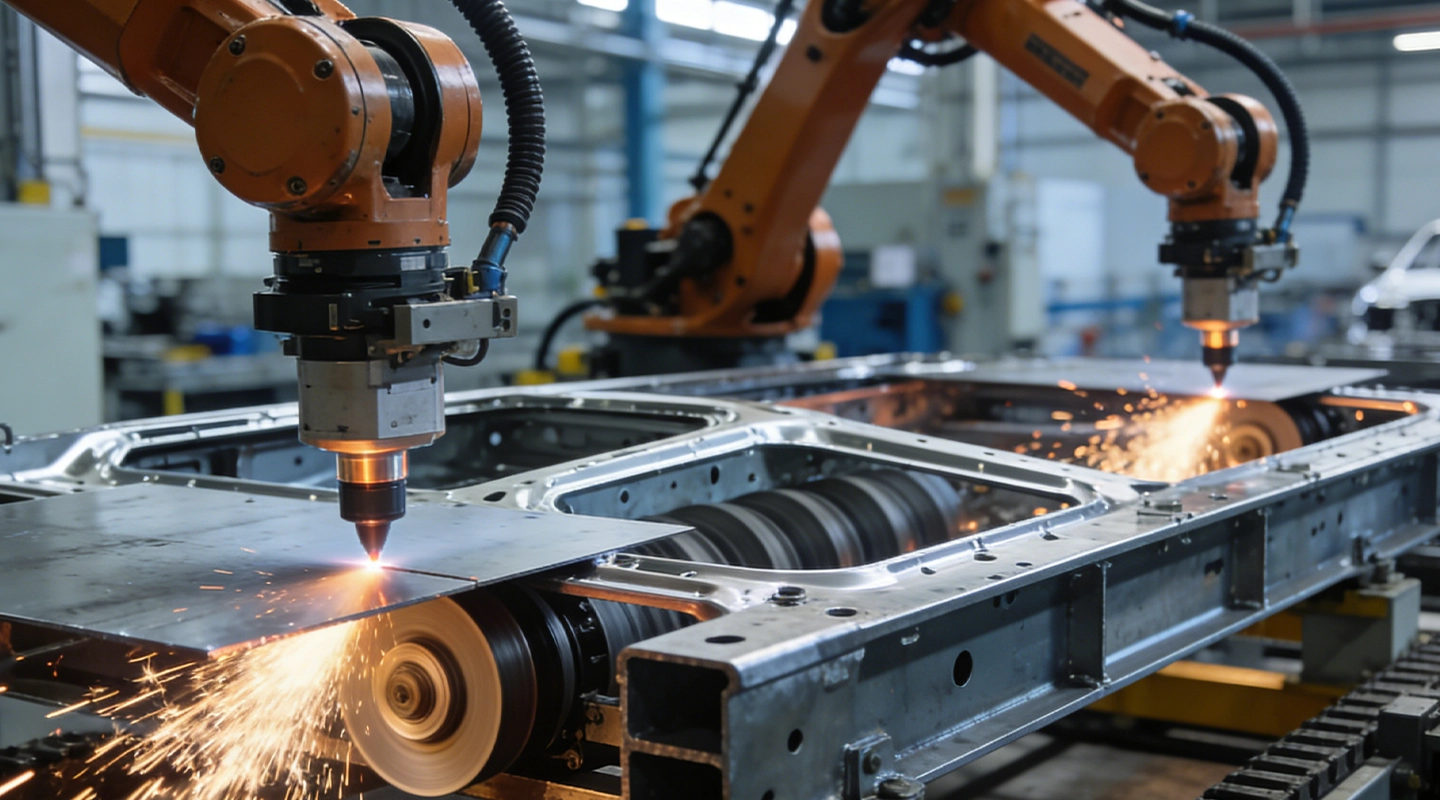
For instance, in a large – scale automotive manufacturing plant that produces thousands of cars annually, laser cutters are commonly used to cut steel sheets for body panels. These laser cutters offer high precision, allowing for the creation of complex shapes with tight tolerances. The body panels need to fit together perfectly to ensure the structural integrity of the vehicle and its aerodynamic performance. A misaligned or poorly cut panel can lead to issues such as air leaks, reduced fuel efficiency, and an overall compromised safety of the vehicle.
When selecting a cutter for this application, several factors come into play. The type of steel used in the body panels is often a high – strength, low – alloy steel. This type of steel requires a cutter with sufficient hardness and heat resistance. Laser cutters, with their high – energy laser beams, can quickly and accurately cut through this steel without causing excessive heat – affected zones that could compromise the material’s properties. The high cutting speed of laser cutters also contributes to the high – volume production demands of the automotive industry. For example, a single laser cutter in a plant can cut hundreds of body panels in a day, significantly increasing the production efficiency.
Another example is the cutting of steel components for the engine. Engine parts, such as crankshafts and camshafts, are made from high – carbon or alloy steels that are extremely hard. Carbide and ceramic cutters are the go – to choices for machining these parts. Carbide cutters, with their excellent wear resistance and hardness, can withstand the high – stress cutting process required for these hard steels. Ceramic cutters, on the other hand, can provide a very high – quality surface finish, which is crucial for the smooth operation of the engine components. In the production of a high – performance sports car engine, ceramic end mills may be used to machine the camshaft lobes to precise tolerances. The smooth surface finish achieved by the ceramic cutter reduces friction and wear between the camshaft and the engine’s valves, improving the engine’s efficiency and lifespan.
In Construction
In the construction industry, steel is used extensively in the form of beams, columns, and reinforcement bars. The accurate cutting of these steel components is essential for the stability and safety of buildings and infrastructure projects.
Consider a high – rise building construction project. Steel beams are a fundamental part of the building’s structural framework. These beams need to be cut to precise lengths and angles to fit together correctly during the construction process. Rotary cutters, such as circular saws with carbide – tipped blades, are often used for this purpose. The carbide – tipped blades can effectively cut through the thick steel beams. For example, when constructing a 50 – story building, the steel beams for each floor need to be cut accurately. A construction worker might use a large – scale circular saw mounted on a portable stand to cut the beams on – site. The portability of the rotary cutter allows for easy movement around the construction site, and its relatively high cutting speed enables the quick preparation of the steel beams for installation.
However, the selection of the cutter also depends on the specific requirements of the project. If the construction project involves a large number of complex – shaped steel components, such as in the construction of a unique – designed architectural structure, water jet cutters or laser cutters might be more suitable. Water jet cutters can cut intricate shapes in steel plates without causing thermal distortion, which is important for maintaining the integrity of the steel’s mechanical properties. In a project where steel plates are used to create decorative facade elements for a building, water jet cutters can precisely cut the plates into the desired shapes, ensuring a high – quality finish.
When cutting reinforcement bars for concrete structures, simple and cost – effective cutters like HSS hacksaws or portable electric cutoff saws are often used. These cutters are suitable for the relatively small – scale cutting of reinforcement bars. In a residential construction project, a contractor might use a handheld electric cutoff saw to cut the reinforcement bars to the required lengths for the foundation and walls. The cost – effectiveness of these cutters is an important factor, especially in smaller construction projects where the budget may be more limited.
In addition to the cutting of structural steel components, steel cutters are also used in the installation of steel – framed partitions and other interior construction elements. For example, when installing steel – framed partitions in an office building, light – duty rotary cutters can be used to cut the steel studs to the appropriate lengths. These cutters are easy to handle and can quickly complete the cutting task, allowing for efficient installation of the partitions.
Tips from Experts in Steel Cutting
Best Practices for Different Steel Types
We reached out to several industry experts to gather their insights on the best practices for cutting different types of steel. John Thompson, a master machinist with over 30 years of experience, shared his knowledge on carbon steel cutting. He emphasized that when cutting low – carbon steel, the cutting speed can be relatively high. “For low – carbon steel, you can use HSS cutters at a cutting speed of around 30 – 50 meters per minute in a milling operation. The relatively soft nature of low – carbon steel allows for faster cutting without over – stressing the cutter,” he said. However, he cautioned that when cutting medium – and high – carbon steels, the cutting speed should be reduced to prevent over – heating of the cutter and excessive wear. “For medium – carbon steel, I usually reduce the cutting speed to 15 – 30 meters per minute, and for high – carbon steel, it’s even lower, around 5 – 15 meters per minute,” he added.
Regarding stainless steel, Dr. Emily Chen, a materials scientist specializing in metal – cutting processes, explained that the key is to deal with its work – hardening tendency. “When cutting stainless steel, it’s important to use sharp cutters and apply a sufficient amount of coolant. Carbide cutters are a great choice as they can better withstand the work – hardening effect. The coolant helps to reduce the heat generated during cutting, which in turn minimizes the work – hardening,” she said. She also recommended using a positive – rake – angle cutter geometry for stainless steel cutting, as it can help to reduce the cutting force and prevent the cutter from getting dull too quickly.
For alloy steels, Mike Rodriguez, a production manager in a large – scale steel – fabrication plant, shared his experience. “Alloy steels vary widely in their properties depending on the alloying elements. In general, when cutting alloy steels, we need to consider the hardness and toughness of the steel. If the alloy steel is high – strength and heat – resistant, like those used in the aerospace industry, we often use ceramic or diamond – coated cutters. These cutters can maintain their cutting performance even when dealing with the extreme hardness of the alloy steel. However, the cutting parameters need to be carefully optimized. For example, when using a ceramic cutter to cut a nickel – chromium alloy steel, the cutting speed may need to be adjusted according to the specific composition of the steel and the thickness of the workpiece,” he said.
Troubleshooting Common Cutting Issues
Cutting steel can sometimes lead to various issues, and our experts were kind enough to share their solutions. One common problem is a rough or uneven cutting surface. According to John Thompson, this can be caused by several factors. “If the cutter is dull, it won’t be able to cut the steel smoothly, resulting in a rough surface. Sharpening or replacing the cutter is the first step. Another reason could be vibration during the cutting process. This can be due to a loose workpiece or a misaligned cutter. Make sure the workpiece is firmly clamped and the cutter is properly installed and aligned. In some cases, adjusting the cutting speed can also help. If the cutting speed is too high or too low, it can cause vibrations and a rough cut. Finding the right cutting speed for the specific steel type and cutter is crucial,” he explained.
Tool breakage is another frustrating issue. Dr. Emily Chen provided some insights into this problem. “Tool breakage can occur when the cutting force is too high. This can be due to using the wrong cutter for the steel type, improper cutting parameters, or a sudden impact during cutting. For example, if you’re trying to cut a hard alloy steel with a cutter that’s not designed for it, the cutter may break under the high stress. To prevent this, always choose the right cutter based on the steel’s properties. Also, make sure to gradually increase the cutting force when starting a cut, especially for thick or hard steels. If the cutter starts to show signs of excessive stress, such as unusual noises or vibrations, stop the cutting process immediately and check the cutter and the cutting parameters,” she said.
In the case of burrs forming on the cut edges, Mike Rodriguez offered his solution. “Burrs are often caused by the way the cutter exits the workpiece. Using a chamfering or deburring operation after cutting can help to remove the burrs. However, it’s better to prevent them from forming in the first place. One way to do this is to use a cutter with a proper geometry that can cleanly shear the steel at the exit. For example, some cutters are designed with a special edge shape that can reduce the formation of burrs. Additionally, adjusting the cutting speed and feed rate can also make a difference. A too – fast feed rate can cause the steel to tear at the exit, resulting in burrs,” he said.
Future Trends in Steel Cutting Technology
Technological Advancements on the Horizon
The future of steel – cutting technology is brimming with exciting possibilities. One of the most promising areas of development is in laser – cutting technology. Currently, laser cutters are already highly efficient and precise, but researchers are constantly striving to improve their performance. In the coming years, we can expect to see significant increases in the power of laser sources. For example, the development of next – generation fiber lasers may lead to power levels that are several times higher than what is currently available. This would enable laser cutters to cut through even thicker steel plates at faster speeds. Additionally, advancements in laser beam focusing and control systems could further enhance the precision of laser cutting, allowing for the creation of even more intricate and detailed cuts.
Water jet cutting technology is also set to undergo significant advancements. One of the key areas of development is in the field of intelligent control systems. In the future, water jet cutters may be equipped with advanced sensors that can monitor various parameters during the cutting process, such as the pressure of the water jet, the flow rate of the abrasive, and the temperature of the workpiece. This data can then be used to automatically adjust the cutting parameters in real – time, ensuring optimal cutting performance. For instance, if the sensor detects a change in the hardness of the steel being cut, the control system can automatically increase the pressure of the water jet or adjust the abrasive flow rate to maintain a consistent cut quality. Another potential development in water jet cutting is the use of new types of abrasive materials. Scientists are researching the development of super – abrasive materials that are even more effective at cutting steel, which could lead to faster cutting speeds and longer – lasting nozzles.
In the realm of mechanical cutters, such as rotary cutters, we may see the integration of advanced materials and design concepts. For example, the development of new composite materials for cutter blades could offer a better balance of hardness, wear – resistance, and toughness. These new blades could potentially withstand higher cutting forces and temperatures, allowing for more efficient cutting of hard steels. Additionally, improvements in the design of the cutter’s teeth and the overall geometry of the blade could reduce vibration during cutting, resulting in smoother cuts and longer tool life.
How These Trends Will Impact the Industry
The advancements in steel – cutting technology will have far – reaching impacts on various industries that rely on steel processing. In the manufacturing industry, the increased efficiency and precision of steel – cutting technologies will lead to significant improvements in production processes. For example, in the automotive industry, faster and more precise laser cutters can reduce the production time for steel components, allowing car manufacturers to increase their output and potentially reduce costs. The ability to create more complex shapes with high precision also enables the design and production of more aerodynamic and fuel – efficient car bodies.
In the construction industry, the development of intelligent water jet cutters can help in the more efficient cutting of steel beams and plates. The real – time adjustment of cutting parameters based on the properties of the steel can ensure that the cuts are accurate and of high quality, reducing waste and improving the overall structural integrity of buildings. This can also lead to cost savings in terms of material usage and construction time.
The aerospace industry, which has extremely high requirements for the quality and precision of steel components, will benefit greatly from the enhanced precision and performance of future steel – cutting technologies. The ability to cut high – strength steels with even greater accuracy will enable the production of lighter and more reliable aircraft components. This can lead to improved fuel efficiency, longer flight ranges, and increased safety in aircraft operations.
From a cost – perspective, although the initial investment in new cutting technologies may be high, the long – term benefits in terms of increased productivity, reduced waste, and longer tool life can result in significant cost savings. For example, a more durable cutter with a longer tool life means fewer replacements, which reduces the overall cost of consumables. The reduced production time due to faster – cutting technologies also means that companies can produce more products in the same amount of time, increasing their revenue potential.
In conclusion, the future trends in steel – cutting technology hold great promise for improving the efficiency, quality, and cost – effectiveness of steel – cutting operations across a wide range of industries. As these technologies continue to evolve, we can expect to see significant changes in the way steel is processed and used in various applications.
Conclusion
In summary, the journey through the world of cutters for steel has been a rich exploration of a crucial aspect in various industries. From understanding the different types of cutters, such as rotary, laser, and water jet cutters, to carefully considering factors like cutting accuracy, speed, and cost when making a selection, every detail matters. Regular maintenance, being vigilant about signs of wear, and knowing when to replace a cutter are equally important for ensuring the longevity and performance of these tools.
Real – world applications in industries like automotive and construction have shown us the practical significance of choosing the right cutter for specific tasks. The tips from experts have provided valuable insights into best practices for different steel types and troubleshooting common cutting issues.
As we look ahead, the future trends in steel – cutting technology are full of promise. The advancements in laser, water jet, and mechanical cutter technologies are set to revolutionize the way steel is processed. These technological leaps will not only enhance the efficiency and precision of steel – cutting operations but also have a profound impact on multiple industries, leading to cost – savings, improved product quality, and greater innovation.
For those involved in steel – cutting, whether in manufacturing, construction, or any other related field, staying informed about these developments and continuously exploring new cutting solutions is essential. The world of steel – cutting is constantly evolving, and by keeping a close eye on the latest trends and technologies, we can ensure that we are always at the forefront of this dynamic industry, making the most of the opportunities that come with each new advancement.

Top Stories
Product Categories
- Metal Laser Cutter
- Laser Welder Machine
- Laser Cleaner Machine
- Laser Marker Machine
- Press Brake Machine