News
Optical Fiber Laser Cutting | Precision Engineering
Optical fiber laser cutting machine is not just tools—they are the silent revolutionaries reshaping the very fabric of modern manufacturing. Imagine a technology so precise it can carve intricate patterns into a sheet of metal thinner than a human hair, yet so powerful it can slice through steel like a hot knife through butter. Picture a system so efficient it reduces production times by 50%, slashes material waste by a third, and elevates product quality to levels once thought impossible. This is not science fiction; this is the reality of optical fiber laser cutting machines today. In an era where industries from automotive to aerospace demand perfection, where customization and speed are non-negotiable, and where sustainability is no longer an afterthought but a business imperative, these machines stand as the cornerstone of innovation. They are the reason your smartphone’s sleek metal frame fits flawlessly, why medical devices can be crafted with microscopic precision, and how renewable energy components are manufactured at scale without sacrificing accuracy. To understand optical fiber laser cutting machines is to understand the future of manufacturing itself—a future where precision meets power, and efficiency dances with versatility.
The Evolution of Laser Cutting: Why Fiber Optics Reign Supreme
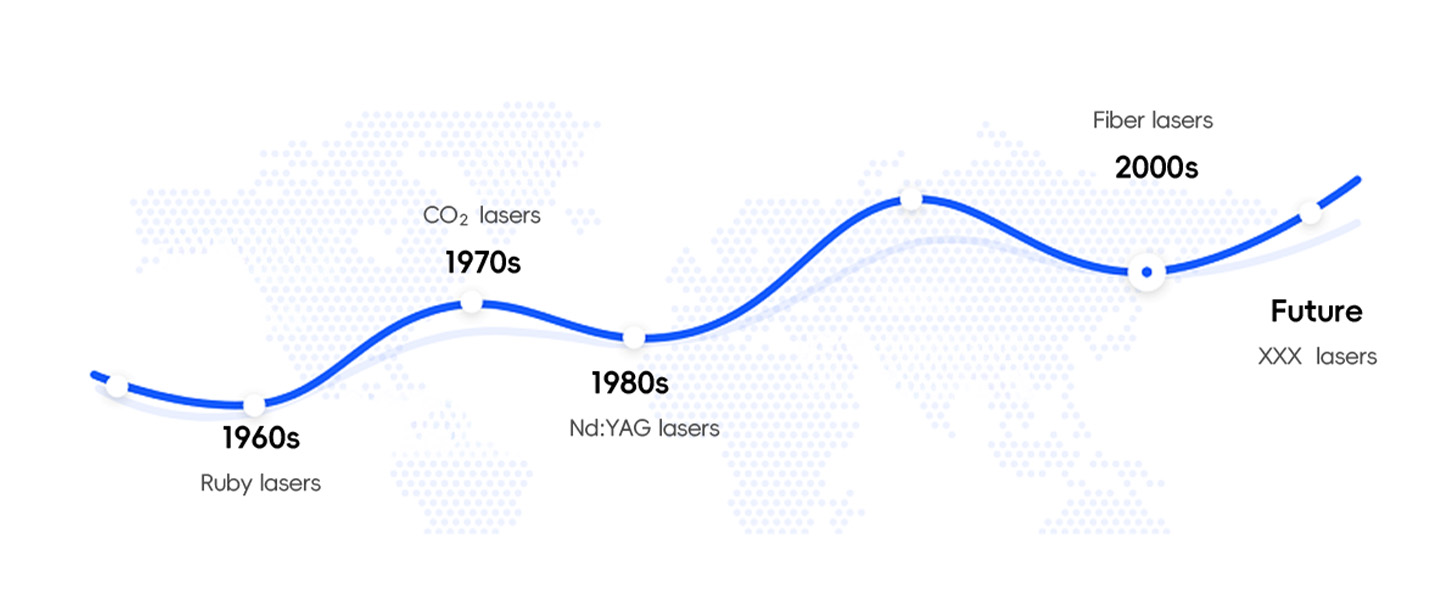
To appreciate the significance of optical fiber laser cutting machines, we must first journey back to the origins of laser technology. The first laser, invented in 1960 by Theodore Maiman, was a ruby laser—a bulky, inefficient device with limited industrial applications. Over the decades, lasers evolved: CO₂ lasers emerged in the 1970s, offering higher power but struggling with energy loss over distance; Nd:YAG lasers followed, boasting better beam quality but lacking the efficiency needed for large-scale production. Then came the optical fiber laser, a breakthrough born from advancements in fiber optics and laser diode technology. Unlike its predecessors, which relied on gas or crystal mediums, the optical fiber laser uses a flexible glass fiber doped with rare-earth elements like ytterbium. This design is a game-changer: the fiber acts as both the laser medium and the delivery system, minimizing energy loss and allowing for unprecedented beam quality.
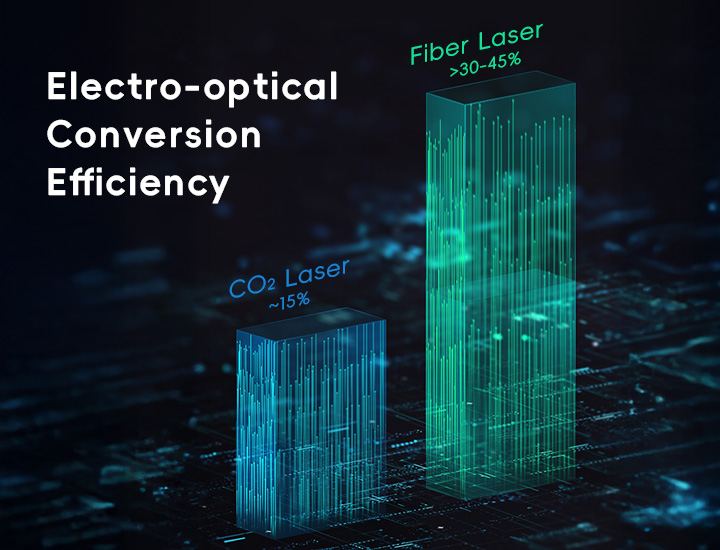
The superiority of optical fiber laser cutting machines lies in three fundamental pillars: efficiency, precision, and adaptability. Let’s start with efficiency. Traditional CO₂ lasers lose up to 30% of their energy as heat, requiring massive cooling systems and driving up operational costs. In contrast, optical fiber lasers convert over 30% of electrical energy into usable laser power—a figure that climbs to 45% in cutting-edge models. This efficiency translates to lower electricity bills, smaller footprints, and reduced maintenance needs, making them a cost-effective choice for manufacturers of all sizes.
Precision, too, sets fiber lasers apart. The beam produced by an optical fiber laser is not only more focused but also more stable. With a beam diameter as small as 20 microns (about a quarter the width of a human hair), these machines can achieve tolerances of ±0.01mm—precision that was once the exclusive domain of specialized tools. This level of accuracy is critical in industries like electronics, where even a fraction of a millimeter偏差 can render a component useless. Consider the production of smartphone casings: a fiber laser can etch camera lens cutouts with such precision that the lens aligns perfectly with the sensor, eliminating the blurriness caused by misalignment.
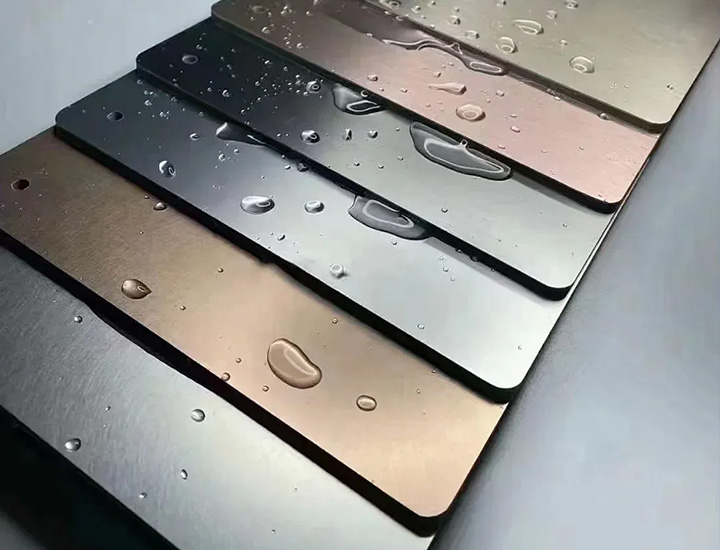
Adaptability is the third pillar. Optical fiber laser cutting machines are not limited to a single material or thickness. They excel with metals—mild steel, stainless steel, aluminum, brass, and even titanium—thanks to their high absorption rate of fiber laser wavelengths (typically 1064nm). But their versatility extends beyond metals: they can cut non-metallic materials like ceramics, composites, and certain plastics with equal finesse. This flexibility makes them indispensable in industries ranging from automotive, where they cut car body panels, to aerospace, where they shape lightweight titanium components for aircraft engines.
How Optical Fiber Laser Cutting Machines Work: A Deep Dive into the Science
To truly grasp the power of optical fiber laser cutting machines, we must first understand the science behind their operation. At the heart of every fiber laser is the laser resonator, a system that generates and amplifies light. The process begins with a pump diode, which emits high-intensity light at a specific wavelength (usually 915nm or 976nm). This light is directed into a gain fiber—a glass fiber doped with ytterbium ions. When the pump light hits the ytterbium ions, it excites their electrons from a lower energy state to a higher one. As these electrons return to their ground state, they release photons of light at 1064nm—a wavelength highly absorbed by most metals.
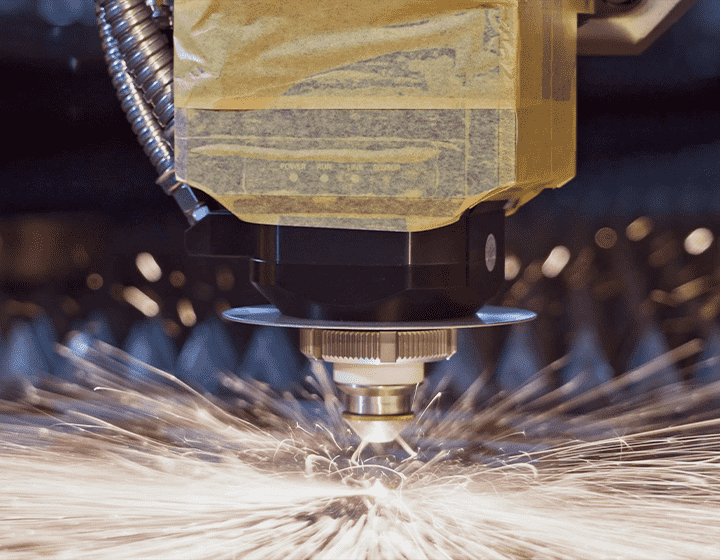
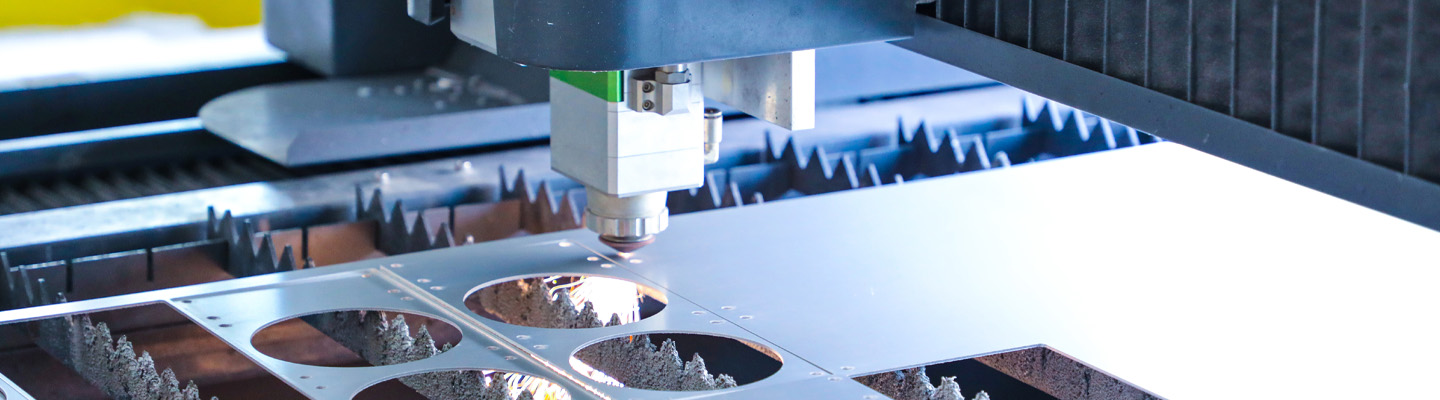
The photons bounce back and forth within the resonator, which is bounded by mirrors at either end. One mirror is fully reflective, while the other is partially reflective, allowing a portion of the light to escape as a laser beam. This beam is then guided through a delivery fiber to the cutting head, where it is focused by a lens onto the workpiece. The focused beam heats the material to its melting or vaporization point, and a high-pressure gas jet (usually nitrogen, oxygen, or compressed air) blows away the molten material, leaving a clean, precise cut.
The key to this process is the interaction between the laser beam and the material. When the 1064nm wavelength hits a metal surface, the photons are absorbed by the material’s electrons, which then transfer this energy to the lattice structure, causing rapid heating. For metals like mild steel, the laser melts the material, and oxygen is used as the assist gas to oxidize the molten metal, creating a slag that is blown away. For stainless steel or aluminum, nitrogen is preferred to prevent oxidation, resulting in a clean, burr-free edge that requires minimal post-processing.
The cutting speed is determined by several factors: the laser power, material thickness, and type. A 2kW fiber laser can cut 1mm mild steel at speeds exceeding 10 meters per minute—faster than most mechanical cutting methods. For thicker materials, say 20mm stainless steel, the speed drops to around 0.5 meters per minute, but the precision remains uncompromised. This balance of speed and accuracy is what makes fiber lasers ideal for high-volume production lines, where every second counts.
Another critical component is the cutting head, which houses the focusing lens, nozzle, and gas delivery system. Modern cutting heads are equipped with sensors that monitor the distance between the nozzle and the workpiece (known as the standoff distance) in real-time. If the material warps due to heat, the sensor adjusts the height of the cutting head, ensuring the beam remains focused. This adaptive technology is essential for maintaining precision when cutting large sheets, where thermal expansion can cause significant deviations.
Applications: Where Optical Fiber Laser Cutting Machines Shine
The impact of optical fiber laser cutting machines spans across industries, each leveraging their unique capabilities to solve complex manufacturing challenges. Let’s explore some of the most transformative applications:
Automotive Manufacturing: The automotive industry is a early adopter of fiber laser technology, and for good reason. Car manufacturers need to cut thousands of parts daily with consistent precision, from door panels to exhaust components. Fiber lasers excel here, offering high-speed cutting of mild steel and aluminum alloys used in car bodies. For example, a single fiber laser machine can cut 500 car door panels in an hour, each with identical dimensions, reducing assembly time and ensuring a perfect fit. Additionally, fiber lasers are used for welding and marking components, further streamlining production lines.
Aerospace Engineering: In aerospace, where materials like titanium and carbon fiber composites are common, traditional cutting methods often struggle. Titanium is strong but heat-resistant, making it difficult to cut with mechanical tools, while carbon fiber composites are prone to delamination when cut with saws. Optical fiber laser cutting machines solve these issues: the high energy density of the laser melts titanium quickly, and the narrow beam minimizes heat-affected zones (HAZ), preventing warping. For composites, the laser vaporizes the material without applying mechanical stress, reducing delamination and improving part strength. This is why companies like Boeing and Airbus rely on fiber lasers to manufacture wings, fuselages, and engine components.
Electronics and Microfabrication: The electronics industry demands precision at the microscale, and fiber lasers deliver. From cutting PCB (printed circuit board) traces to drilling microvias (tiny holes that connect layers of PCBs), fiber lasers are unmatched. A typical PCB has hundreds of microvias with diameters as small as 50 microns; a fiber laser can drill these holes in milliseconds, ensuring the PCB functions reliably. Fiber lasers are also used to cut flexible electronics, such as the touchscreens in smartphones and tablets, where they create intricate patterns without damaging the delicate underlying circuits.
Medical Device Manufacturing: Medical devices require the highest standards of precision and cleanliness, and optical fiber laser cutting machines meet both. They are used to cut surgical instruments, such as scalpels and forceps, with edges so sharp they reduce tissue trauma during surgery. In orthopedics, fiber lasers shape titanium implants (like hip replacements) to match the exact contours of a patient’s bone, ensuring a perfect fit and faster healing. They also drill microholes in stents, tiny mesh tubes used to treat blocked arteries, allowing blood to flow freely while keeping the stent flexible.
Art and Design: Beyond industrial applications, fiber lasers are making their mark in art and design. Artists and craftsmen use them to create intricate metal sculptures, personalized jewelry, and custom signage. Unlike traditional engraving tools, fiber lasers can etch detailed designs onto metal surfaces with minimal effort, allowing artists to bring their visions to life with unprecedented detail. For example, a fiber laser can engrave a portrait onto a stainless steel sheet, capturing every facial feature with the clarity of a photograph.
Key Considerations When Choosing an Optical Fiber Laser Cutting Machine
Investing in an optical fiber laser cutting machine is a significant decision, and choosing the right one requires careful consideration of several factors. Here’s what manufacturers should keep in mind:
Laser Power: The laser power (measured in kilowatts, kW) determines the machine’s cutting capabilities. For thin materials (up to 3mm), a 1-2kW laser is sufficient. For thicker materials (up to 25mm steel), a 4-6kW laser is better. Higher power machines can cut thicker materials faster but come with a higher price tag and increased energy consumption. Manufacturers should match the laser power to their typical material thickness and production volume.
Work Area Size: The work area (bed size) dictates the maximum size of the material that can be cut. Machines with larger beds (e.g., 3m x 1.5m) are ideal for cutting large sheets, such as those used in automotive or aerospace, while smaller beds (e.g., 1.5m x 1m) are better for small parts or limited space. Some manufacturers offer machines with interchangeable beds to accommodate different needs.
Cutting Speed and Accuracy: While all fiber lasers are fast and accurate, there are differences between models. Look for machines with linear motors (instead of ball screws) for smoother, faster movement, and higher acceleration rates. Also, check the machine’s positioning accuracy and repeatability (the ability to return to a position precisely after moving). A machine with ±0.02mm repeatability is better than one with ±0.05mm for applications requiring tight tolerances.
Software Compatibility: The machine’s software is the interface between the operator and the laser. It should support common CAD/CAM file formats (e.g., DXF, AI, SVG) and offer features like nesting (optimizing material layout to reduce waste), kerf compensation (adjusting for the width of the laser cut), and real-time simulation (previewing the cut before starting). User-friendly software reduces training time and minimizes errors.
After-Sales Support: Laser cutting machines are complex pieces of equipment, and reliable after-sales support is essential. Look for manufacturers that offer comprehensive warranties (at least 2 years), on-site maintenance, and quick access to spare parts. A responsive support team can minimize downtime, which is critical for production lines where every minute of downtime costs money.
Cost of Ownership: Beyond the initial purchase price, consider the long-term costs, including electricity, maintenance, and consumables (like assist gases and nozzles). Fiber lasers are more energy-efficient than CO₂ lasers, but higher power models still consume significant electricity. Maintenance costs are generally low, but regular cleaning of the optics and replacement of consumables (like the cutting nozzle) are necessary.
Safety Features: Laser cutting involves high-power lasers and high temperatures, so safety is paramount. Look for machines with enclosed cutting areas, interlock systems (which shut off the laser if the door is opened), and fume extraction systems to remove harmful gases produced during cutting. Compliance with international safety standards (like CE or FDA) is also a must.
The Future of Optical Fiber Laser Cutting Machines: Emerging Trends
As technology advances, optical fiber laser cutting machines are poised to become even more powerful, efficient, and versatile. Here are some emerging trends shaping their future:
Higher Power Lasers: Manufacturers are developing higher power fiber lasers, with 12kW and 15kW models already hitting the market. These machines can cut thicker materials (up to 50mm steel) at faster speeds, reducing production time for heavy-industry applications like shipbuilding and construction.
Integration with Automation: The rise of Industry 4.0 is driving the integration of fiber lasers with automation systems. Robotic arms can load and unload materials, while AI-powered software optimizes cutting paths and predicts maintenance needs. This automation reduces labor costs and increases production efficiency, allowing manufacturers to operate 24/7 with minimal human intervention.
Green Technology: With sustainability becoming a global priority, fiber laser manufacturers are focusing on reducing energy consumption and waste. New designs use more efficient pump diodes and regenerative power supplies, while advanced nesting software minimizes material waste. Some companies are even exploring the use of renewable energy (like solar power) to run their laser machines, further reducing their carbon footprint.
3D Laser Cutting: Traditional laser cutting is limited to 2D materials, but 3D laser cutting is emerging as a new frontier. These machines use robotic arms to position the laser head, allowing them to cut complex 3D shapes, such as automotive exhaust manifolds or aerospace turbine blades. This technology eliminates the need for multiple 2D cuts and assembly, streamlining production and reducing errors.
Improved Beam Quality: Research into fiber laser technology is focused on improving beam quality, which directly impacts cutting precision. New fiber designs and doping techniques are producing beams with even smaller diameters and higher brightness, enabling even finer cuts and more intricate patterns.

Common Myths and Misconceptions About Optical Fiber Laser Cutting Machines
Despite their widespread use, there are several myths and misconceptions surrounding optical fiber laser cutting machines. Let’s debunk some of the most common ones:
Myth 1: Fiber lasers are too expensive for small businesses.
While it’s true that fiber lasers have a higher upfront cost than mechanical cutting tools, their lower operating costs and higher productivity often result in a faster return on investment (ROI). For small businesses with moderate production volumes, a used or lower-power (1-2kW) fiber laser can be affordable and quickly pay for itself through reduced labor and material costs.
Myth 2: Fiber lasers can’t cut thick materials.
This is false. While fiber lasers are often associated with thin materials, high-power models (4kW and above) can cut thick steel (up to 50mm) and other metals with ease. In fact, fiber lasers are often faster than CO₂ lasers when cutting thick materials due to their higher energy density.
Myth 3: Laser cutting produces rough edges that require post-processing.
Modern fiber lasers produce clean, burr-free edges, especially when using nitrogen as the assist gas. In many cases, the cut edges are smooth enough for direct assembly, eliminating the need for grinding or deburring. This reduces post-processing time and costs.
Myth 4: Fiber lasers are difficult to operate.
Advancements in software have made fiber lasers easier to operate than ever. Most machines come with intuitive interfaces that guide operators through the cutting process, and many manufacturers offer training programs to ensure users can maximize the machine’s capabilities. With basic training, even a novice can learn to operate a fiber laser cutting machine in a matter of days.
Myth 5: Laser cutting is dangerous.
While lasers are powerful tools, modern fiber laser cutting machines are equipped with advanced safety features to protect operators. Enclosed cutting areas, interlock systems, and fume extraction systems minimize risks, and when operated according to safety guidelines, fiber lasers are no more dangerous than other industrial machinery.
Conclusion
Optical fiber laser cutting machines have revolutionized manufacturing with their precision, efficiency, and versatility. From automotive and aerospace to electronics and art, they are transforming industries and enabling innovations that were once unimaginable. As technology continues to advance, these machines will only become more powerful and accessible, driving the next wave of manufacturing excellence. Whether you’re a small business owner looking to upgrade your cutting capabilities or a large manufacturer seeking to optimize production, an optical fiber laser cutting machine is an investment that will pay dividends for years to come.
In a world where precision and speed are the keys to success, optical fiber laser cutting machines are not just tools—they are the future of manufacturing.
Top Stories
Product Categories
- Metal Laser Cutter
- Laser Welder Machine
- Laser Cleaner Machine
- Laser Marker Machine
- Press Brake Machine