News
Unveiling the Wonders of CNC and Laser Cutters: A Comprehensive Guide
Introduction
In the dynamic realm of modern manufacturing, two technologies stand out prominently – CNC (Computer Numerical Control) and laser cutters. These technological marvels have revolutionized the way products are designed, prototyped, and mass – produced, playing an integral role in various industries around the globe.
Definition and Basic Concepts
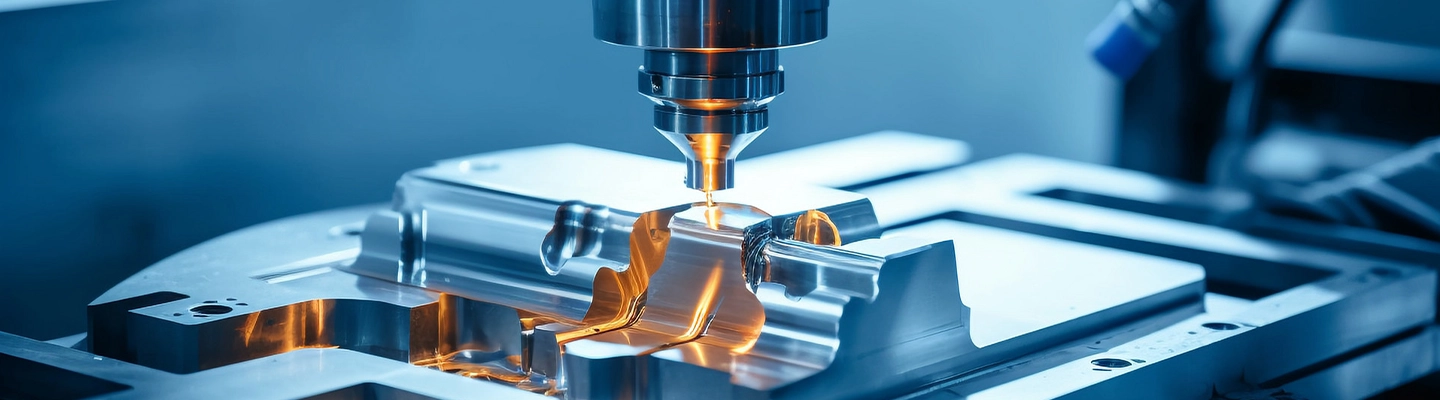
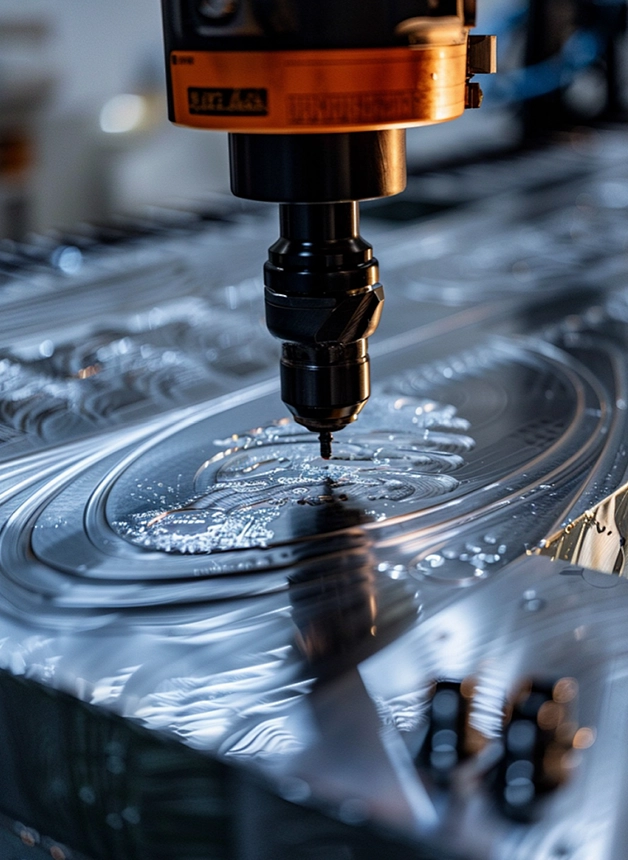
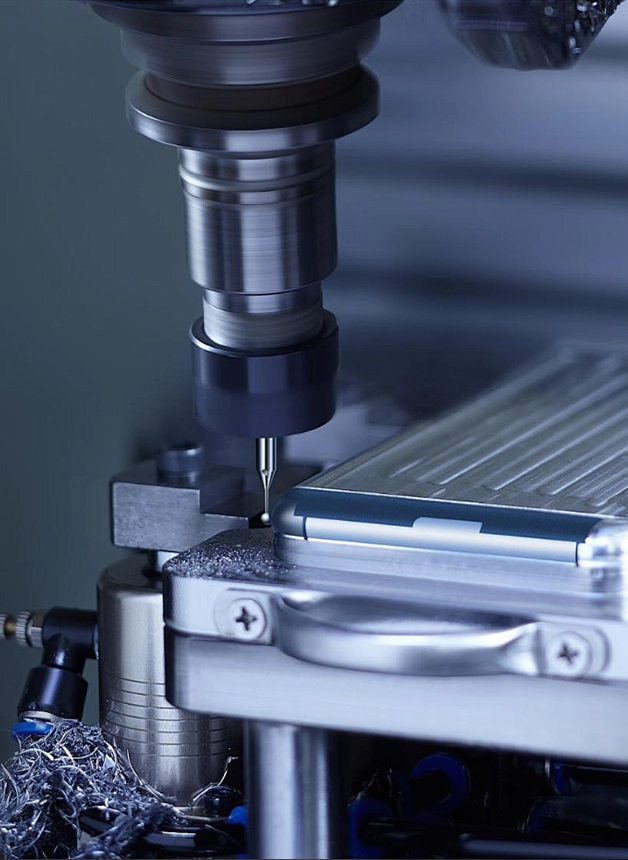
CNC, short for Computer Numerical Control, represents a technology that enables the automation of machine tools. It operates based on a set of pre – programmed computer instructions that control the movement and operation of machinery. This allows for highly precise and repeatable manufacturing processes. For instance, a CNC milling machine can precisely carve intricate shapes out of a block of metal or plastic, following the digital design specifications inputted into the system. The beauty of CNC lies in its ability to translate complex 2D or 3D digital models into physical objects with a high degree of accuracy, often down to the micron level.
On the other hand, a laser cutter is a machine that uses a focused laser beam to cut materials. The laser beam, with its intense heat, melts, burns, or vaporizes the material along the intended cutting path. Laser cutters are available in different types, such as CO2 laser cutters, fiber laser cutters, and neodymium – doped yttrium aluminum garnet (Nd:YAG) laser cutters, each with its own advantages and suitable applications. For example, CO2 laser cutters are excellent for cutting non – metallic materials like wood, acrylic, and fabric, while fiber laser cutters are more commonly used for metal cutting due to their high – energy efficiency and ability to cut thick metal sheets with great precision.
Applications in Various Industries
The applications of CNC and laser cutters span across a wide range of industries, each leveraging the unique capabilities of these technologies to enhance productivity, quality, and design flexibility.
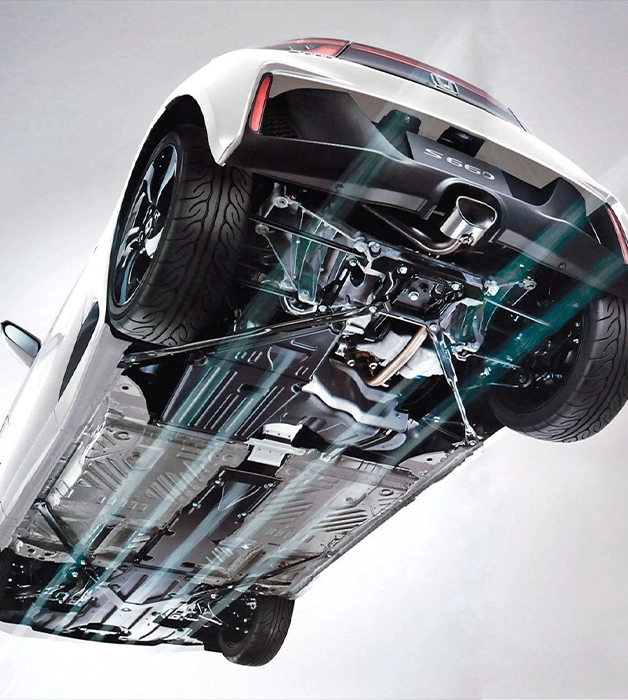
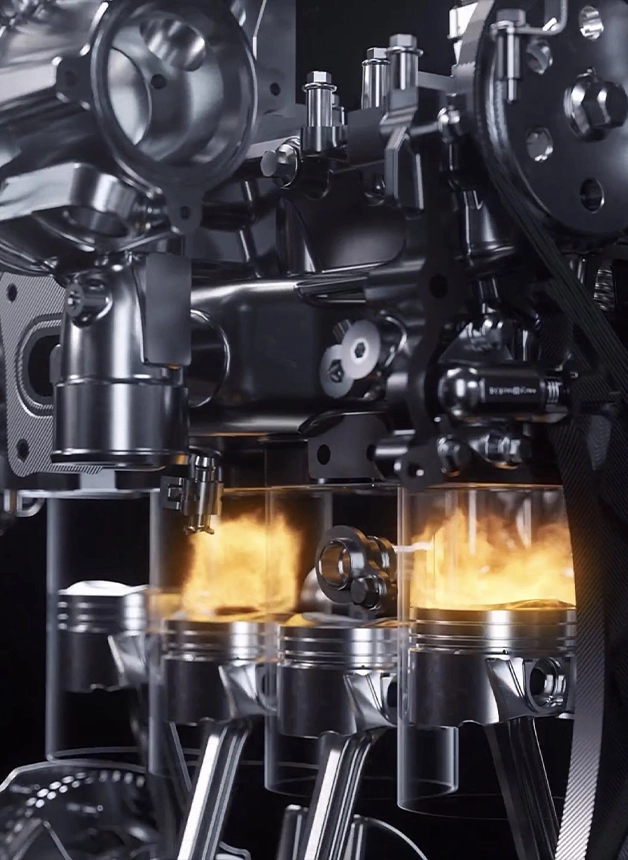
Automotive Industry: In the automotive sector, CNC machines are used extensively in the production of engine components, chassis parts, and interior elements. They can manufacture complex engine blocks with high precision, ensuring optimal performance and fuel efficiency. Laser cutters, on the other hand, are crucial for cutting and shaping sheet metal used in car bodies. They can create intricate designs for car panels, allowing for better aerodynamics and a more stylish appearance. Additionally, laser cutters are used for fabricating lightweight yet strong automotive parts from advanced composite materials, contributing to fuel savings and reduced emissions.
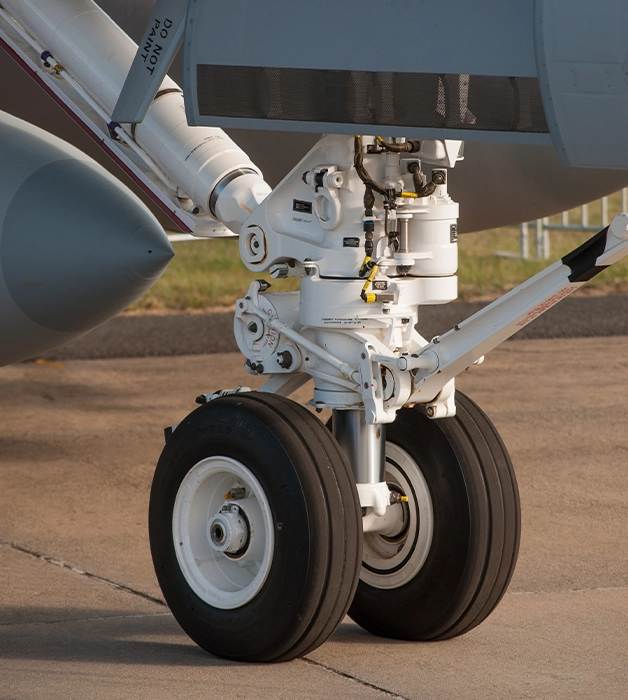
Aerospace Industry: Precision is of utmost importance in the aerospace industry, and both CNC and laser cutters meet this requirement impeccably. CNC machines are employed to manufacture high – tolerance components for aircraft engines, wings, and landing gear. These components need to be extremely accurate to ensure the safety and efficiency of the aircraft during flight. Laser cutters are used to cut and engrave aerospace – grade materials such as titanium and aluminum alloys. They can create lightweight structures with complex geometries, which are essential for reducing the weight of the aircraft and improving its overall performance. For example, laser – cut honeycomb structures are often used in aircraft interiors to provide strength while minimizing weight.
Jewelry Industry: The jewelry industry values precision and intricate designs, and laser cutters and CNC machines have become indispensable tools. Laser cutters can create delicate patterns and engravings on precious metals and gemstones. They can cut out intricate shapes for pendants, earrings, and rings with a level of detail that was previously difficult to achieve. CNC machines are used for carving and shaping jewelry molds, allowing for the mass production of high – quality, consistent jewelry pieces. This combination of technologies enables jewelers to bring their creative visions to life with greater ease and precision.

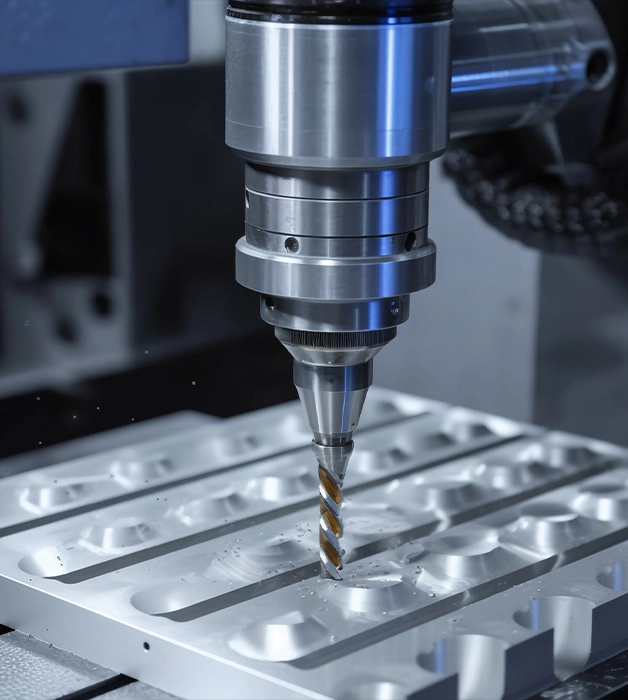
Electronics Industry: In the fast – paced electronics industry, CNC and laser cutters play vital roles in the production of printed circuit boards (PCBs) and electronic enclosures. CNC machines are used to mill and drill precise holes and traces on PCBs, ensuring proper connectivity between electronic components. Laser cutters can create custom – shaped enclosures for electronic devices, providing a sleek and functional design. They can also be used for etching circuit patterns directly onto certain materials, reducing the need for traditional photolithography processes in some cases.
Packaging Industry: Laser cutters have found a niche in the packaging industry, especially for creating prototypes and small – batch production. They can quickly and precisely cut various packaging materials such as cardboard, paper, and plastic. This allows companies to test different packaging designs before committing to large – scale production. CNC machines can be used to manufacture custom – made molds for packaging, ensuring a perfect fit for products of all shapes and sizes. For example, a company launching a new product can use a laser cutter to create sample packaging boxes with unique cutouts and designs, and then use a CNC – made mold for mass production.
The Inner Workings of CNC Machines
How CNC Technology Operates
CNC technology is the backbone of modern precision manufacturing, enabling the automation of complex machining processes. The operation of a CNC machine begins with the creation of a digital design. This design can be developed using Computer – Aided Design (CAD) software, where engineers and designers can create 2D or 3D models of the desired product. For example, a mechanical engineer might use CAD software to design a new engine part with intricate internal channels and precise external dimensions.
Once the design is complete, it needs to be translated into a language that the CNC machine can understand. This is where Computer – Aided Manufacturing (CAM) software comes into play. CAM software takes the CAD model and generates a set of G – codes, which are a series of alphanumeric instructions that control the movement of the CNC machine. These G – codes specify details such as the speed of the spindle, the feed rate of the cutting tool, and the path the tool should follow to create the desired shape.
The G – codes are then inputted into the CNC machine’s controller. The controller is like the “brain” of the CNC machine. It reads the G – codes and sends signals to the various components of the machine to execute the machining operations. For instance, if the G – code instruction is to move the cutting tool 5 millimeters to the right, the controller will send an electrical signal to the appropriate motor to make that movement happen.
During the machining process, the CNC machine continuously monitors its own performance. Sensors are installed at various points on the machine to detect factors such as the position of the cutting tool, the force exerted on the tool, and the temperature of the spindle. This real – time monitoring allows the machine to make adjustments if necessary. For example, if the sensor detects that the cutting tool is starting to wear out and the cutting force is increasing, the machine can automatically adjust the feed rate or spindle speed to maintain the quality of the cut.
Key Components of a CNC Machine
- Controller: As mentioned earlier, the controller is the most crucial component of a CNC machine. It can be thought of as a specialized computer designed specifically for machine control. There are different types of controllers available in the market, such as Fanuc, Siemens, and Mitsubishi controllers. Each type has its own set of features and capabilities. High – end controllers often come with advanced features like multi – axis control, which allows the machine to perform complex 3D machining operations. They also have built – in diagnostic systems that can quickly identify and report any malfunctions in the machine, reducing downtime.
- Drive System: The drive system of a CNC machine is responsible for moving the various axes of the machine, such as the X, Y, and Z axes in a milling machine. It consists of motors and drives. Stepper motors are commonly used in some CNC machines, especially in lower – cost models. They move in discrete steps, providing precise control over the position of the axes. Servo motors, on the other hand, are more advanced and are often used in high – precision CNC machines. They can provide continuous rotation and are able to maintain a very accurate position even under changing loads. The drives in the drive system convert the electrical signals from the controller into the appropriate power levels and waveforms to drive the motors.
- Worktable: The worktable is where the workpiece is mounted during the machining process. It needs to be extremely stable and accurate to ensure the precision of the machining operations. In some CNC machines, the worktable can be adjusted in multiple directions, allowing for complex setups. For example, in a five – axis CNC machine, the worktable can rotate and tilt, enabling the machining of complex geometries that would be impossible with a traditional three – axis machine. The worktable may also be equipped with fixtures and clamping devices to hold the workpiece firmly in place during machining. These fixtures can be custom – designed for specific types of workpieces to ensure maximum stability and accuracy.
- Cutting Tools: Cutting tools are the “hands” of the CNC machine that actually remove material from the workpiece to create the desired shape. There is a wide variety of cutting tools available, each designed for specific materials and machining operations. For example, end mills are commonly used for milling operations and come in different shapes and sizes, such as square – end mills for creating flat surfaces and ball – nose end mills for machining curved surfaces. Drills are used for creating holes in the workpiece, and they also come in various diameters and lengths. The choice of cutting tool depends on factors like the material of the workpiece (e.g., metal, plastic, or wood), the complexity of the design, and the type of machining operation (milling, drilling, turning, etc.). High – quality cutting tools are essential for achieving good surface finish and dimensional accuracy in CNC machining.
The Magic of Laser Cutters
The Principle of Laser Cutting
Laser cutting is a remarkable technology that operates on the principle of using highly concentrated laser energy to precisely cut through various materials. The process begins with the generation of a laser beam. In a laser cutter, a laser source, which can be a gas – based laser (such as CO₂), a solid – state laser (like Nd:YAG – Neodymium – doped yttrium aluminum garnet), or a fiber – based laser, produces a beam of light.
The generation of the laser beam is based on the concept of stimulated emission. In a laser medium (for example, the CO₂ gas in a CO₂ laser cutter), atoms or molecules are excited to a higher – energy state, known as the metastable state, through a process called pumping. This can be achieved using electrical discharge, optical pumping, or other methods. Once in the metastable state, when a photon of the right energy interacts with an excited atom or molecule, it stimulates the emission of a second photon. These two photons have the same frequency, phase, and direction as the original photon. This process continues, and through the use of an optical resonator (usually a pair of mirrors), the photons are reflected back and forth, amplifying the light intensity and creating a highly coherent and intense laser beam.
After the laser beam is generated, it needs to be directed and focused onto the material to be cut. Optical components such as mirrors and lenses are used to guide the laser beam along the desired path and focus it into a small, high – energy – density spot on the surface of the workpiece. The focused laser beam has an extremely high power density, typically in the range of 10⁶ to 10¹² watts per square centimeter.
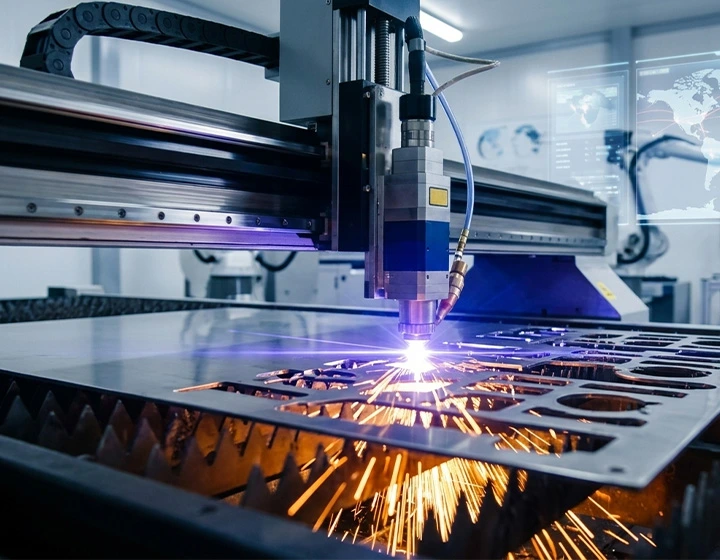
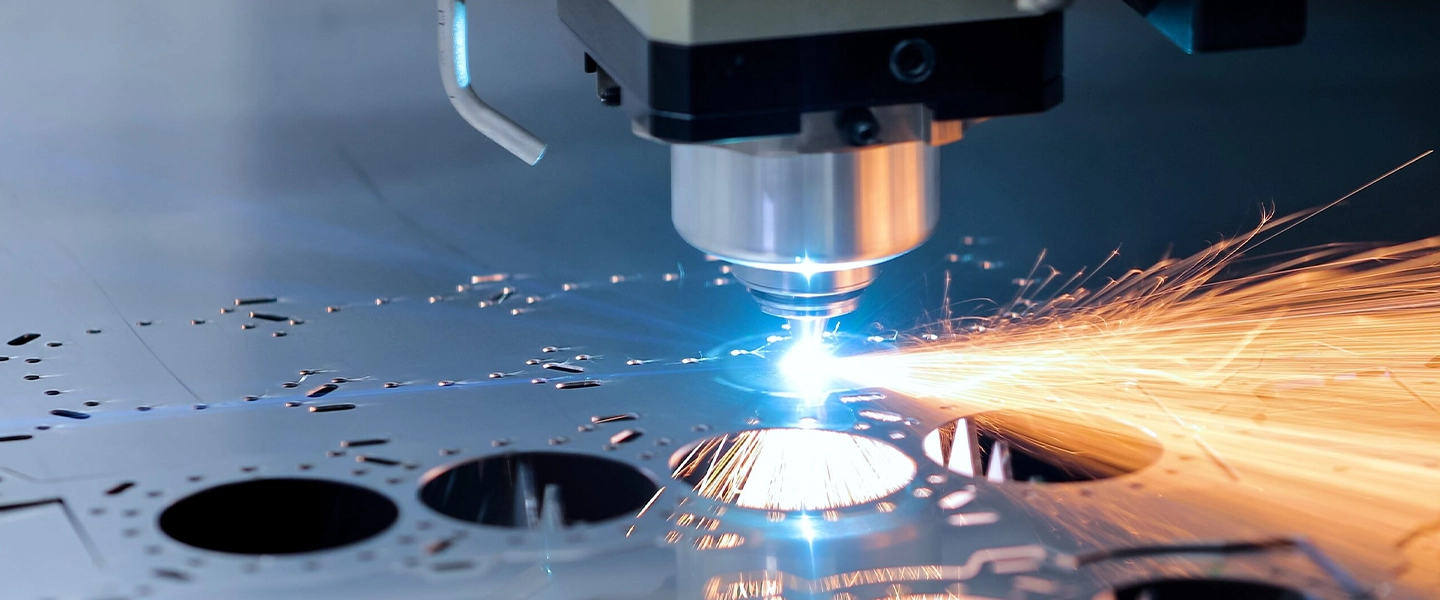
When the high – energy laser beam strikes the material, it rapidly transfers its energy to the material. The material absorbs the laser energy, and as a result, its temperature rises rapidly. Depending on the type of material and the power of the laser, the material can reach its melting point, boiling point, or even be vaporized. For example, in the case of metal cutting, the laser beam heats the metal to its melting point, and then an assist gas (such as oxygen or nitrogen) is blown onto the molten metal. The assist gas helps to expel the molten material from the cutting area, creating a clean cut. In the case of non – metallic materials like wood or acrylic, the laser energy can directly vaporize the material, leaving a clean cut edge.
Types of Laser Cutters and Their Features
1.CO₂ Laser Cutters
Principle and Operation: CO₂ laser cutters use carbon dioxide (CO₂) as the lasing medium. In these cutters, an electrical discharge is used to pump the CO₂ gas, exciting the molecules to a higher – energy state. The laser beam generated by a CO₂ laser has a wavelength of around 10.6 micrometers, which is in the infrared range. This wavelength is highly absorbed by many non – metallic materials, making CO₂ laser cutters well – suited for cutting materials such as wood, acrylic, fabric, leather, and paper.
Advantages:
- High Beam Quality: CO₂ laser cutters generally produce a beam with good quality, which allows for precise cutting. They can achieve a relatively high level of accuracy, often with a cutting tolerance of ±0.1 mm or better, making them suitable for applications that require fine details, such as engraving on wood or creating intricate patterns in acrylic.
- Versatility with Non – Metals: As mentioned, they are excellent for cutting a wide range of non – metallic materials. For example, in the fashion industry, CO₂ laser cutters are used to cut fabric with high precision, reducing waste and ensuring consistent cuts. In the signage and decoration industry, they can cut and engrave acrylic sheets to create beautiful and detailed signs.
- Cost – Effectiveness: Compared to some other types of laser cutters, CO₂ laser cutters can be relatively cost – effective, especially for lower – power models. This makes them accessible to small – and medium – sized enterprises, hobbyists, and DIY enthusiasts who need to perform non – metal cutting tasks.
Limitations:
- Limited Metal Cutting Ability: While CO₂ laser cutters can cut some thin metals, their efficiency in cutting metals is much lower compared to dedicated metal – cutting laser cutters like fiber laser cutters. Metals tend to reflect the 10.6 – micrometer wavelength of the CO₂ laser, reducing the amount of energy absorbed and making the cutting process slower and less efficient.
- Higher Maintenance: CO₂ lasers require regular maintenance, such as replacing the CO₂ gas and cleaning the optical components. The gas needs to be replenished periodically, and the mirrors and lenses can get dirty or damaged over time, affecting the performance of the laser cutter.
2.Fiber Laser Cutters
Principle and Operation: Fiber laser cutters use optical fibers doped with rare – earth elements (such as ytterbium) as the lasing medium. The pumping process in fiber lasers is often achieved using high – power diode lasers. The laser beam generated by a fiber laser has a wavelength in the near – infrared range, typically around 1.064 micrometers. This wavelength is highly absorbed by metals, making fiber laser cutters ideal for metal cutting applications.
Advantages:
- High Energy Efficiency: Fiber laser cutters have a much higher electro – optical conversion efficiency compared to CO₂ laser cutters. They can convert a larger percentage of the input electrical energy into laser energy, which not only saves energy but also reduces operating costs. For example, a fiber laser cutter may have an electro – optical conversion efficiency of up to 30%, while a CO₂ laser cutter typically has an efficiency of around 10 – 15%.
- Fast Cutting Speed: They are known for their high – speed cutting capabilities, especially when cutting thin – to – medium – thickness metal sheets. In the automotive industry, fiber laser cutters can quickly cut large volumes of sheet metal for car body components, significantly increasing production efficiency. For example, when cutting a 3 – mm – thick stainless – steel sheet, a fiber laser cutter can achieve a cutting speed several times faster than a CO₂ laser cutter.
- Excellent Beam Quality and Precision: Fiber lasers can produce a very high – quality beam with a small focus spot size. This allows for extremely precise cutting, with a high level of dimensional accuracy. In the electronics industry, fiber laser cutters are used to cut delicate metal components for printed circuit boards with micron – level precision.
- Longer Lifespan and Lower Maintenance: Fiber lasers have a longer lifespan and require less maintenance compared to CO₂ lasers. The fiber – based lasing medium is more stable, and there are fewer components that need to be regularly replaced. For instance, the diode pumps in fiber lasers can have a lifespan of up to 100,000 hours, and there is no need to replace a gas medium as in CO₂ lasers.
Limitations:
- Higher Initial Cost: Fiber laser cutters generally have a higher upfront cost compared to CO₂ laser cutters, especially for high – power models. This can be a barrier for some small businesses or individuals with limited budgets.
- Limited Non – Metal Cutting: Due to their wavelength, fiber laser cutters are not as effective in cutting non – metallic materials as CO₂ laser cutters. Non – metals do not absorb the 1.064 – micrometer wavelength of fiber lasers well, making it difficult to achieve efficient cutting of materials like wood, acrylic, or fabric.
3.YAG (Neodymium – Doped Yttrium Aluminum Garnet) Laser Cutters
Principle and Operation: YAG laser cutters use a solid – state crystal (YAG) doped with neodymium as the lasing medium. They can operate in both continuous – wave (CW) and pulsed – wave modes. In the pulsed – wave mode, short pulses of high – energy laser light are emitted, which is useful for certain applications such as fine – cutting and marking.
Advantages:
- Flexibility in Operation Modes: The ability to operate in both CW and pulsed – wave modes gives YAG laser cutters versatility. In pulsed – wave mode, they can be used for applications like jewelry making, where precise and small – scale cutting and engraving are required. For example, they can create intricate designs on precious metals with high precision.
- Good for Some Non – Metals and Metals: YAG laser cutters can cut both metals and some non – metallic materials. They are often used for cutting thin – gauge metals and for applications where a combination of metal and non – metal cutting is needed, such as in the production of small electronic devices with both metal and plastic components.
- Precision in Fine – Cutting: Their pulsed – wave operation allows for very precise cutting in small areas, making them suitable for applications that demand high – precision work on delicate materials.
Limitations:
- Lower Energy Efficiency: YAG laser cutters generally have a lower electro – optical conversion efficiency compared to fiber laser cutters. This means they consume more energy to produce the same amount of laser energy, increasing operating costs.
- Higher Maintenance and Shorter Lifespan: The solid – state crystal in YAG lasers may require more frequent maintenance and has a relatively shorter lifespan compared to the components in fiber lasers. The crystal can degrade over time, affecting the performance of the laser cutter, and may need to be replaced periodically.
Comparing CNC and Laser Cutters
Cutting Precision
When it comes to cutting precision, both CNC and laser cutters have their own strengths, and the choice between them often depends on the specific application and material being processed.
CNC Precision
CNC machines are renowned for their ability to achieve extremely high precision, especially in applications that require complex 3D machining. High – end CNC machines can achieve tolerances in the micron range. For example, in the aerospace industry, when manufacturing turbine engine components, CNC milling machines can create intricate internal passages and external shapes with a precision of ±0.001 mm or even better. This level of precision is crucial as even the slightest deviation can affect the performance and safety of the aircraft.
However, the precision of CNC machining can be influenced by several factors. The quality of the cutting tools plays a significant role. As the cutting tool wears out during the machining process, the precision can gradually decrease. For instance, a dull end mill may not cut as accurately as a sharp one, leading to a deviation from the desired dimensions. Additionally, factors such as the rigidity of the machine structure, thermal expansion due to heat generated during machining, and vibrations can also impact the precision of CNC machining. To maintain high precision, regular maintenance of the CNC machine, including tool replacement and calibration, is essential.
Laser Cutter Precision
Laser cutters are also highly precise, particularly in 2D cutting applications. The focused laser beam allows for very fine cuts, and many laser cutters can achieve a cutting tolerance of ±0.1 mm or better. In the electronics industry, laser cutters are used to create intricate patterns on printed circuit boards with high precision. The non – contact nature of laser cutting is an advantage in terms of precision as there is no physical force exerted on the workpiece, which can cause deformation as in the case of CNC machining.
Moreover, laser cutters are not affected by tool wear since there is no physical cutting tool involved. This means that the precision remains consistent throughout the cutting process, as long as the laser system is properly maintained. However, the precision of laser cutting can be influenced by factors such as the quality of the optical components (mirrors and lenses), the stability of the laser power output, and the material’s properties. For example, if the laser beam is not focused accurately due to dirty or misaligned optical components, the cutting precision will be compromised.
Precision in Different Materials
In general, for materials that are sensitive to physical forces and require extremely fine details, such as thin sheets of metal or delicate non – metallic materials like paper – thin plastics, laser cutters may have an edge in terms of precision. The non – contact nature of laser cutting ensures that the material is not deformed during the cutting process. On the other hand, for complex 3D shapes and large – scale machining of materials like metal blocks, CNC machines can offer higher precision and more control over the machining process. For example, when carving a large – scale metal sculpture with intricate internal structures, a CNC milling machine can precisely remove material layer by layer to achieve the desired shape, while a laser cutter would be limited to 2D cuts and may not be suitable for such a complex 3D task.
Speed and Efficiency
The speed and efficiency of CNC and laser cutters are important considerations, especially in industrial production environments where time is money.
CNC Machining Speed
The speed of CNC machining depends on multiple factors, including the type of machining operation (milling, turning, drilling, etc.), the material being processed, the cutting tool used, and the power of the machine. For example, in milling operations, the feed rate (the speed at which the cutting tool moves along the workpiece) and the spindle speed (the rotational speed of the cutting tool) can be adjusted to optimize the machining speed. When machining soft materials like aluminum, a higher feed rate and spindle speed can be used, resulting in relatively fast machining times. However, when machining harder materials such as stainless steel or titanium, the cutting speed needs to be reduced to prevent excessive tool wear and ensure the quality of the cut.
In addition, complex 3D machining operations on CNC machines can be time – consuming. For instance, when machining a part with multiple cavities, holes, and complex surfaces, the CNC machine needs to perform a series of movements and operations, which can significantly increase the processing time. Moreover, the setup time for CNC machining can be relatively long, especially when changing the workpiece or the cutting tool. This includes tasks such as mounting the workpiece on the worktable, aligning the cutting tool, and programming the machine for the new operation.
Laser Cutting Speed
Laser cutters are generally known for their high – speed cutting capabilities, especially in 2D cutting applications. The speed of laser cutting is mainly determined by the power of the laser, the thickness and type of the material being cut, and the type of laser cutter. For example, fiber laser cutters are extremely fast when cutting thin – to – medium – thickness metal sheets. A high – power fiber laser cutter can cut a 3 – mm – thick stainless – steel sheet at a speed of several meters per minute, which is much faster than a CNC machine performing a similar cutting operation.
The speed of laser cutting also varies depending on the material. Non – metallic materials like wood and acrylic can often be cut more quickly than metals. Additionally, the cutting speed can be adjusted based on the desired quality of the cut. For a higher – quality cut with a smoother edge, the cutting speed may be reduced slightly. However, one advantage of laser cutting is that there is no need for a tool change during the cutting process, which eliminates the associated downtime. This continuous cutting ability contributes to its high efficiency, especially for large – volume production of simple 2D shapes.
Efficiency in Different Production Scenarios
In small – batch production or prototyping, where the setup time for CNC machines can be a significant factor, laser cutters may offer higher efficiency. They can quickly start cutting based on the digital design, without the need for extensive tool setup and workpiece alignment. In large – scale production of simple 2D parts, such as cutting out metal sheets for mass – produced products like metal brackets or simple electronic enclosures, laser cutters can achieve high productivity due to their fast cutting speed and continuous operation capabilities. However, for large – scale production of complex 3D parts, CNC machines may still be more efficient in the long run, despite their slower individual machining speed, because they can perform all the necessary operations in one setup, reducing the overall production time through automation and batch processing.

Material Compatibility
Both CNC and laser cutters are versatile in terms of the materials they can process, but there are distinct differences in their material compatibility.
Materials Suitable for CNC Machining
CNC machines are highly versatile when it comes to material compatibility. They can process a wide range of materials, including metals, plastics, wood, composites, ceramics, and glass.
Metals: Aluminum, steel, stainless steel, titanium, and copper alloys are commonly machined using CNC machines. For example, in the automotive industry, CNC – machined aluminum engine blocks are produced with high precision. The ability to control the cutting process allows for the creation of complex internal structures, such as coolant channels and piston bores, in these metal components.
Plastics: Engineering plastics like polycarbonate (PC), polypropylene (PP), and nylon are easily machined by CNC. In the production of plastic components for electronic devices, CNC machining can create precise housings and connectors with tight tolerances.
Wood: CNC machines are used in the furniture and wood – carving industries to create intricate designs on wood. They can carve complex patterns on wooden panels for furniture or create detailed wooden sculptures.
Composites: Carbon – fiber – reinforced composites and glass – fiber – reinforced plastics are also suitable for CNC machining. These materials are widely used in the aerospace and automotive industries, and CNC machines can precisely cut and shape them to create lightweight and strong components.
Ceramics and Glass: With the use of specialized cutting tools and techniques, CNC machines can machine ceramics and glass. In the production of ceramic components for electronics or glass parts for scientific instruments, CNC machining can achieve the required precision.
Materials Suitable for Laser Cutting
Laser cutters are also capable of processing a variety of materials, but their compatibility with certain materials is different from that of CNC machines.
Metals: Most metals can be cut using laser cutters, with fiber laser cutters being particularly effective for metal cutting. Carbon steel, stainless steel, aluminum, and alloys can all be cut with high precision. For example, in the manufacturing of metal signage, laser cutters can create detailed and precise lettering and designs on stainless – steel sheets. However, some highly reflective metals like copper and gold can be challenging to cut with lasers due to their high reflectivity, which can cause the laser beam to be reflected back and damage the laser system.
Non – Metals: Laser cutters excel in cutting non – metallic materials. Wood, acrylic, fabric, leather, and paper are easily cut using CO₂ laser cutters. In the fashion industry, laser cutters are used to cut fabric with high precision, reducing waste. Acrylic sheets can be cut and engraved to create beautiful and detailed signs and decorations.
Limitations in Material Compatibility
There are some materials that are not suitable for either CNC or laser cutting. For example, materials with a high water content, such as fresh wood that has not been properly dried, can cause problems for both CNC and laser processing. In CNC machining, the moisture can cause the wood to warp during cutting, affecting the precision. In laser cutting, the high – moisture content can cause the material to steam and create inconsistent cuts. Additionally, materials that are extremely hard and brittle, like some types of super – hard ceramics, can be difficult to machine with either method without special techniques and equipment.

Cost Considerations
The cost of using CNC and laser cutters encompasses several aspects, including the initial purchase cost, running costs, and maintenance costs.
Purchase Cost
CNC machines generally have a high initial purchase cost, especially high – end models with advanced features such as multi – axis control and high – precision capabilities. A basic three – axis CNC milling machine can cost tens of thousands of dollars, while a more complex five – axis CNC machining center can cost hundreds of thousands of dollars or even more. The cost is influenced by factors such as the brand, the quality of the components (such as the controller, drive system, and spindle), and the size and capacity of the machine.
Laser cutters also have a significant upfront cost, but the price range can vary depending on the type of laser cutter. CO₂ laser cutters, especially lower – power models, can be relatively more affordable, with prices starting from a few thousand dollars for small hobby – grade machines and going up to tens of thousands of dollars for industrial – grade models. Fiber laser cutters, on the other hand, are generally more expensive due to their advanced technology and high – energy – efficient performance. High – power fiber laser cutters used in industrial metal – cutting applications can cost hundreds of thousands of dollars.
Running Costs
The running costs of CNC machines mainly include electricity consumption, cutting tool costs, and coolant or lubricant costs. The electricity consumption of a CNC machine depends on its power rating, which can vary from a few kilowatts for small machines to tens of kilowatts for large industrial models. Cutting tools need to be replaced regularly, especially when machining hard materials, and this can add to the running costs. Coolants and lubricants are also necessary for some machining operations to reduce heat and friction, and their costs should be factored in.
For laser cutters, the running costs are mainly related to electricity consumption, laser gas (in the case of CO₂ laser cutters), and the replacement of optical components such as mirrors and lenses. Fiber laser cutters are more energy – efficient compared to CO₂ laser cutters, but they still consume a significant amount of electricity, especially high – power models. In CO₂ laser cutters, the laser gas (usually a mixture of CO₂, nitrogen, and hydrogen) needs to be replenished periodically, which adds to the running costs. Optical components can also get dirty or damaged over time and need to be replaced.
Maintenance Costs
CNC machines require regular maintenance to ensure their accuracy and performance. This includes tasks such as cleaning the machine, checking and tightening mechanical components, calibrating the axes, and replacing worn – out parts. The maintenance cost can be significant, especially for complex machines with many moving parts. For example, the replacement of a high – precision spindle on a CNC machine can cost thousands of dollars.
Laser cutters also need maintenance, although the nature of the maintenance is different. The optical components need to be kept clean to ensure the proper focusing and transmission of the laser beam. Regular cleaning of mirrors and lenses is necessary. In addition, the laser source may require maintenance or replacement over time, especially in high – usage environments. The cost of maintaining a laser cutter can vary depending on the type of cutter and the frequency of use, but it can also be a significant expense over the lifetime of the machine.

Choosing the Right Equipment for Your Needs
Assessing Your Business Requirements
When it comes to choosing between a CNC machine and a laser cutter, the first step is to conduct a thorough assessment of your business requirements. This assessment will serve as the foundation for making an informed decision that aligns with your production goals, quality standards, and long – term business plans.
Material Considerations
The type of materials you will be working with is a crucial factor. If your business primarily deals with metals, especially thick metal sheets, a fiber laser cutter or a CNC machine with appropriate metal – cutting capabilities would be a suitable choice. For example, in a metal fabrication shop that produces large – scale metal structures such as industrial machinery frames or automotive body parts, a high – power fiber laser cutter can efficiently cut through various metal alloys with high precision. On the other hand, if your focus is on non – metallic materials like wood, acrylic, or fabric, a CO₂ laser cutter might be more appropriate. A company that specializes in creating custom – made wooden furniture or fabric – based fashion products would benefit greatly from a CO₂ laser cutter, which can cut and engrave these materials with ease.
Precision Requirements
The level of precision needed for your products is another key aspect. Some industries, such as the aerospace and medical device manufacturing, demand extremely high precision. In aerospace, components like turbine blades need to be manufactured with tolerances in the micron range. In such cases, a high – end CNC machine with advanced multi – axis control and precision – engineered components would be essential. These machines can perform complex 3D machining operations with the accuracy required for these critical applications. For less precision – demanding applications, such as creating basic signage or simple wooden crafts, a lower – cost laser cutter or a less complex CNC machine might be sufficient.
Production Volume
Your expected production volume also plays a significant role in the equipment selection process. If you are running a small – scale operation or a hobby – based business that produces a limited number of items, a more affordable laser cutter or a basic CNC machine could meet your needs. For instance, a small – scale jewelry – making business that creates unique, hand – crafted pieces in small batches can use a relatively inexpensive laser cutter to engrave designs on precious metals or cut out small – scale components. However, for large – scale industrial production, high – speed and high – capacity equipment is necessary. A large – scale automotive parts manufacturer that produces thousands of parts daily would require high – power laser cutters or automated CNC machining centers to meet the production demands efficiently.
Budget Planning
Budget is often a major constraint when choosing between a CNC machine and a laser cutter. However, it’s important to look beyond the initial purchase cost and consider the long – term investment returns.
Initial Purchase Cost
As mentioned earlier, both CNC machines and laser cutters can have a significant upfront cost. If your budget is limited, you may need to explore more affordable options. For example, a small – scale startup or a DIY enthusiast might consider a lower – power CO₂ laser cutter or a basic three – axis CNC milling machine. These entry – level models can provide a cost – effective way to get started in the manufacturing or prototyping process. Some manufacturers also offer refurbished or used equipment at a lower price. While buying used equipment can be a cost – saving option, it’s crucial to thoroughly inspect the equipment’s condition, check its maintenance history, and ensure that it comes with a warranty or some form of after – sales support.
Long – Term Investment Returns
When evaluating the long – term investment returns, consider factors such as the equipment’s productivity, efficiency, and the potential for business growth. A more expensive but high – performance laser cutter or CNC machine may have a higher initial cost, but it can also offer greater productivity and better quality output. For example, a high – power fiber laser cutter may cost more upfront, but its fast cutting speed and high – energy efficiency can result in significant savings in production time and energy costs over the long run. In addition, the ability to produce high – quality products can open up new business opportunities and allow you to charge premium prices, further enhancing the return on investment.
Researching Reputable Manufacturers and Suppliers
Once you have a clear understanding of your business requirements and budget, the next step is to research and select reputable manufacturers and suppliers.
Customer Reviews and Testimonials
One of the best ways to gauge the quality and reliability of a manufacturer or supplier is to read customer reviews and testimonials. Online platforms, industry forums, and business review websites can provide valuable insights into the experiences of other customers. Look for reviews that mention the quality of the equipment, the performance of the customer service, and any issues that customers may have faced and how they were resolved. For example, if multiple customers complain about the frequent breakdowns of a particular brand of laser cutter or the poor responsiveness of a supplier’s customer service, it’s a red flag that you should consider when making your decision.
Product Certifications and Standards
Reputable manufacturers often adhere to international quality standards and obtain relevant product certifications. For example, in the European Union, products need to comply with the CE (Conformité Européene) marking requirements, which indicate that the product meets health, safety, and environmental protection requirements. In the United States, products may need to meet standards set by organizations such as the American Society for Testing and Materials (ASTM) or the National Institute of Standards and Technology (NIST). When researching manufacturers, check if their products have the necessary certifications and meet the relevant industry standards. This can give you confidence in the quality and reliability of the equipment you are considering purchasing.
Industry Reputation and Experience
A manufacturer’s reputation and experience in the industry can also be an important indicator of its reliability. Look for companies that have been in the business for a long time and have a proven track record of producing high – quality equipment. These companies are more likely to have the expertise and resources to develop and maintain reliable products. For example, well – established brands in the CNC and laser cutter market, such as Trumpf, Mazak, and Amada, are known for their high – quality products and extensive industry experience. They have a global presence and a large customer base, which is a testament to their reputation and the quality of their offerings. Additionally, consider the manufacturer’s after – sales support, including the availability of spare parts, technical assistance, and training programs. A manufacturer that provides comprehensive after – sales support can help minimize downtime and ensure the long – term performance of your equipment.
Case Studies
Success Stories in Different Industries
Automotive Component Manufacturing
- Company Background: XYZ Automotive Components is a leading supplier of engine parts to major automotive manufacturers. They were facing challenges in the production of aluminum engine blocks, which required high – precision machining to ensure optimal performance and fuel efficiency.
- Solution Implemented: The company invested in a high – end CNC machining center with five – axis capabilities. This allowed them to machine complex internal channels and external surfaces of the engine blocks in a single setup. The CNC machine was programmed with advanced CAM software, which optimized the machining paths and tool movements.
- Results Achieved: The use of the CNC machine led to a significant improvement in production efficiency. The machining time for each engine block was reduced by 30%, compared to the previous manual and semi – automated processes. The precision of the machining increased, with dimensional tolerances being maintained within ±0.002 mm. This resulted in a 20% reduction in the rejection rate of engine blocks, leading to cost savings in terms of material waste and rework. Additionally, the improved quality of the engine blocks enhanced the performance of the engines, leading to increased customer satisfaction and more business opportunities for XYZ Automotive Components.
Jewelry Design and Production
- Company Background: Sparkling Gems is a renowned jewelry brand known for its unique and intricate designs. They wanted to expand their product line and offer more customized jewelry pieces to their customers, but their traditional manufacturing methods were time – consuming and limited in terms of design complexity.
- Solution Implemented: Sparkling Gems acquired a high – power laser cutter and a CNC milling machine. The laser cutter was used to create delicate patterns and engravings on precious metals and gemstones. The CNC milling machine was employed to carve and shape jewelry molds with high precision. The designers used CAD/CAM software to create digital models of the jewelry designs, which were then transferred to the laser cutter and CNC machine for production.
- Results Achieved: The combination of the laser cutter and CNC machine revolutionized Sparkling Gems’ production process. They were able to create highly detailed and customized jewelry pieces in a shorter time. The production time for a single jewelry piece was reduced by 40%, allowing them to meet customer demands more quickly. The use of the laser cutter also enabled them to experiment with new and complex design elements, which were well – received by their customers. As a result, the company’s sales increased by 50% within a year, and they were able to expand their market share in the high – end jewelry market.
Electronics Enclosure Manufacturing
- Company Background: ABC Electronics is a manufacturer of electronic devices, and they needed to produce high – quality, custom – shaped enclosures for their new line of smartphones. The enclosures required precise cutting and shaping to ensure a perfect fit for the internal components and a sleek appearance.
- Solution Implemented: ABC Electronics opted for a fiber laser cutter to cut the sheet metal for the enclosures. The fiber laser cutter was able to cut the metal with high precision and speed, creating clean edges and accurate shapes. The company also used a CNC bending machine to shape the cut metal sheets into the desired enclosure form. The entire production process was integrated with a digital manufacturing system, which allowed for seamless communication between the design, cutting, and bending operations.
- Results Achieved: The use of the fiber laser cutter and CNC bending machine significantly improved the production efficiency of the electronic enclosures. The cutting speed of the fiber laser cutter was three times faster than the previous mechanical cutting method, reducing the production time per enclosure by 60%. The precision of the laser cutting and CNC bending ensured that the enclosures had a perfect fit for the internal components, reducing the risk of assembly errors. The high – quality finish of the enclosures also enhanced the overall aesthetics of the smartphones, contributing to increased product sales. ABC Electronics was able to launch their new line of smartphones ahead of schedule and received positive feedback from customers regarding the design and quality of the enclosures.
Lessons Learned from Real – World Applications
Importance of Proper Equipment Selection
- Match Equipment to Requirements: The case studies highlight the importance of selecting the right CNC or laser cutter based on the specific requirements of the business. For example, in the automotive component manufacturing case, a high – end, multi – axis CNC machine was necessary to meet the precision and complexity requirements of engine block machining. In contrast, for the jewelry design company, a combination of a laser cutter for detailed engraving and a CNC milling machine for mold making was the optimal choice. Businesses should carefully assess their material types, precision needs, production volumes, and design complexity before investing in equipment.
- Consider Long – Term Needs: It’s also crucial to consider long – term business growth and changing requirements. A company that starts with small – scale production may need to upgrade its equipment as its production volume increases. For instance, a small – scale electronics enclosure manufacturer may initially use a lower – power laser cutter, but as their production demands grow, they may need to invest in a higher – power model to maintain production efficiency.
Integration of Software and Technology
- CAD/CAM Software for Precision: The use of CAD/CAM software is essential for both CNC and laser cutting operations. In all the case studies, CAD/CAM software was used to create digital models and generate the necessary instructions for the machines. This software enables precise control over the cutting and machining processes, ensuring that the final products meet the design specifications. It also allows for easy modification of designs, which is beneficial for customization and prototyping.
- Digital Manufacturing Integration: Integrating the entire production process with a digital manufacturing system can improve efficiency and reduce errors. As seen in the electronics enclosure manufacturing case, seamless communication between the design, cutting, and bending operations through a digital system led to faster production and better – quality products. This integration can also enable real – time monitoring of the production process, allowing for quick adjustments if any issues arise.
Training and Skill Development
- Operator Competence: The success of using CNC and laser cutters depends on the competence of the operators. In each case, the companies invested in training their employees to operate the equipment effectively. Well – trained operators can optimize the machine settings, troubleshoot problems, and ensure the quality of the output. For example, in the automotive component manufacturing company, the operators were trained to program the CNC machine, select the right cutting tools, and monitor the machining process for any signs of wear or deviation.
- Continuous Learning: The field of CNC and laser cutting technology is constantly evolving, with new features and capabilities being introduced regularly. Companies should encourage their employees to engage in continuous learning to stay updated with the latest advancements. This can involve attending training courses, workshops, or industry conferences to learn about new techniques, software updates, and best practices.
Maintenance and Troubleshooting
Regular Maintenance for Optimal Performance
Proper maintenance is the key to ensuring the long – term, trouble – free operation of both CNC and laser cutters. Regular maintenance not only extends the lifespan of these expensive pieces of equipment but also guarantees consistent and high – quality output.
For CNC Machines
- Cleaning: Regular cleaning is essential to prevent the accumulation of dust, chips, and debris. After each machining operation, the worktable, spindle, and other exposed parts should be thoroughly cleaned. A compressed air gun can be used to blow away loose particles, and a soft brush or cloth can be used to wipe away stubborn dirt. For example, in a metal – machining CNC shop, chips from aluminum or steel can quickly build up and cause issues if not removed promptly. If these chips get into the moving parts of the machine, such as the linear guides or ball screws, they can cause increased wear and reduced precision.
- Lubrication: The moving components of a CNC machine, including the linear guides, ball screws, and spindles, require regular lubrication. Different parts may require different types of lubricants, so it’s important to follow the manufacturer’s recommendations. For instance, linear guides often use a high – viscosity lubricating oil, while ball screws may need a specialized grease. Regular lubrication reduces friction, which in turn reduces heat generation and wear. This helps to maintain the smooth operation of the machine and ensures accurate positioning of the axes.
- Inspection of Key Components: Periodically inspect key components such as the cutting tools, belts, and motors. Cutting tools should be checked for wear and replaced when necessary. Worn – out cutting tools can lead to poor – quality cuts, increased cutting forces, and even damage to the workpiece. Belts should be inspected for signs of wear, such as cracking or fraying, and their tension should be adjusted regularly. Motors should be checked for proper operation, and their bearings should be lubricated as recommended. In addition, the electrical connections of the motors and other components should be inspected for any signs of looseness or corrosion.
For Laser Cutters
- Optical Component Cleaning: The optical components of a laser cutter, including the mirrors, lenses, and laser head, need to be kept clean at all times. Even a small amount of dust or debris on these components can affect the quality of the laser beam and, consequently, the cutting quality. Use high – purity alcohol and lint – free wipes to gently clean the surfaces of the optical components. For example, if a mirror in a CO₂ laser cutter becomes dirty, the laser beam may not be reflected accurately, leading to a misaligned or less – powerful beam.
- Cooling System Maintenance: Most laser cutters rely on a cooling system to keep the laser source and other components at an optimal temperature. The cooling system should be regularly checked for proper operation. This includes checking the coolant level, the condition of the coolant, and the operation of the pumps and fans. The coolant should be replaced according to the manufacturer’s recommendations to prevent the build – up of impurities and ensure efficient heat transfer. For instance, in a fiber laser cutter, if the cooling system fails, the laser source can overheat, which may cause permanent damage to the laser and affect the cutting performance.
- Gas System Checks: For laser cutters that use assist gases (such as oxygen or nitrogen for metal cutting), the gas system needs to be checked regularly. This includes checking the gas pressure, the integrity of the gas lines, and the condition of the gas filters. A leak in the gas line can not only waste gas but also affect the cutting quality. Dirty gas filters can restrict the flow of gas, leading to inconsistent cutting results. For example, in a metal – cutting laser cutter, if the oxygen supply pressure drops during the cutting process, the oxidation and melting of the metal may be incomplete, resulting in a rough cut edge.
Common Issues and Solutions
Despite regular maintenance, CNC and laser cutters may encounter some common problems during their operation. Understanding these issues and their solutions can help minimize downtime and keep the production process running smoothly.
For CNC Machines
1.Cutting Quality Degradation
Possible Causes:
- Tool Wear: As mentioned earlier, worn – out cutting tools are a common cause of poor – quality cuts. For example, a dull end mill may produce rough surfaces and inaccurate dimensions.
- Incorrect Machining Parameters: Incorrect spindle speed, feed rate, or depth of cut can also lead to cutting quality issues. For instance, if the feed rate is too high for the chosen cutting tool and material, the tool may chatter, causing surface roughness.
- Machine Vibration: Vibration in the CNC machine can be caused by various factors, such as loose components, unbalanced spindles, or worn – out bearings. This vibration can transfer to the cutting tool and result in a poor – quality cut.
Solutions:
- Tool Replacement: Regularly inspect cutting tools and replace them when signs of wear are detected. Choose high – quality cutting tools that are suitable for the material being machined.
- Parameter Adjustment: Review and adjust the machining parameters based on the material, cutting tool, and desired surface finish. Use trial – and – error or consult the machining handbooks to find the optimal settings.
- Vibration Elimination: Check for loose components and tighten them. Balance the spindle if necessary. Replace worn – out bearings to reduce vibration.
2.Machine Stalling or Freezing
Possible Causes:
- Overheating: If the CNC machine runs continuously for long periods without proper cooling, the motors, spindle, or other components may overheat. This can cause the machine to stall or freeze.
- Software Glitches: Issues with the CNC control software, such as corrupted programs or conflicts between different software modules, can also lead to machine malfunctions.
- Power Problems: Unstable power supply, power surges, or insufficient power can cause the machine to stop functioning properly.
Solutions:
- Cooling System Check: Ensure that the cooling system is working correctly. Clean the cooling fins and fans, and check the coolant level. If the machine has overheated, allow it to cool down before restarting.
- Software Troubleshooting: Try restarting the CNC control software. If the problem persists, check for software updates or reinstall the software. You may also need to consult the software manufacturer for technical support.
- Power Inspection: Check the power supply to the machine. Use a voltage stabilizer if the power supply is unstable. Inspect the power cables for any signs of damage or loose connections.
For Laser Cutters
1.Cutting Quality Issues
Possible Causes:
- Nozzle Problems: A clogged or damaged nozzle can affect the flow of the assist gas and the focusing of the laser beam, resulting in a rough cut edge, dross formation, or inconsistent cutting depth.
- Laser Power Instability: Fluctuations in the laser power can be caused by problems with the laser source, such as a malfunctioning power supply, a dirty optical resonator, or a worn – out laser tube (in the case of CO₂ lasers).
- Incorrect Cutting Parameters: Just like in CNC machining, incorrect cutting parameters, such as the wrong laser power, cutting speed, or focus position, can lead to poor – quality cuts.
Solutions:
- Nozzle Replacement or Cleaning: Inspect the nozzle regularly and clean it if it is clogged. Replace the nozzle if it is damaged. Use a suitable cleaning method, such as blowing compressed air through the nozzle or using a specialized nozzle – cleaning tool.
- Laser System Maintenance: Check the laser source for any signs of malfunction. Clean the optical resonator and other optical components. If the laser power supply is faulty, it may need to be repaired or replaced.
- Parameter Optimization: Adjust the cutting parameters based on the material type and thickness. Conduct test cuts to find the optimal settings for the best cutting quality.
2.Laser Cutter Not Firing (No Laser Output)
Possible Causes:
- Faulty Laser Power Supply: The laser power supply provides the electrical energy needed to generate the laser beam. If it fails, the laser will not fire.
- Interrupted Control Signals: Problems with the control system, such as a damaged cable or a malfunctioning controller, can cause the control signals to be interrupted, preventing the laser from firing.
- Safety Interlocks: Laser cutters are equipped with safety interlocks to prevent accidental exposure to the laser beam. If a safety interlock is tripped, the laser will not fire. This could be due to a door being open, a safety switch being activated, or a malfunctioning interlock sensor.
Solutions:
- Power Supply Repair or Replacement: If the laser power supply is faulty, it needs to be repaired or replaced by a qualified technician.
- Control System Check: Inspect the control cables for any signs of damage. Check the controller for error messages or malfunctions. If necessary, replace the damaged components.
- Safety Interlock Reset: Check all the safety interlocks and make sure they are in the correct position. If a safety interlock has been tripped, find the cause and reset it. For example, if a door interlock is tripped, close the door properly and check the interlock sensor.
Future Trends in CNC and Laser Cutting Technology
Technological Advancements on the Horizon
1.Advanced Laser Sources
- In the realm of laser cutting, the development of new and more advanced laser sources is on the horizon. For instance, the continuous improvement of fiber laser technology is likely to lead to even higher – power and more efficient fiber lasers. Currently, fiber lasers are already highly efficient, but future advancements may see an increase in their power output while further reducing energy consumption. This could potentially enable them to cut even thicker materials at faster speeds.
- Another area of development is in the exploration of new laser wavelengths. Scientists are researching lasers with wavelengths that can be more effectively absorbed by a wider range of materials, including those that are currently difficult to cut with existing laser technologies. This could open up new possibilities for laser cutting in industries such as semiconductor manufacturing, where precise cutting of materials like silicon wafers is crucial.
2.Intelligent and Autonomous Systems
- CNC machines are expected to become more intelligent and autonomous. The integration of artificial intelligence (AI) and machine learning algorithms into CNC control systems will allow the machines to optimize their machining processes in real – time. For example, an AI – enabled CNC machine could analyze data from sensors on the machine, such as cutting force, temperature, and tool wear, and then automatically adjust the machining parameters like spindle speed and feed rate to ensure the best possible cutting quality and tool life.
- In laser cutters, intelligent systems may be developed to automatically detect and correct for any variations in material thickness or quality during the cutting process. This could involve using advanced sensors to measure the material properties in real – time and then adjusting the laser power and cutting speed accordingly. Additionally, autonomous laser cutters may be able to self – diagnose and perform basic maintenance tasks, such as cleaning optical components or replacing nozzles, without human intervention.
3.Enhanced Connectivity and Industry 4.0 Integration
- Both CNC and laser cutters will likely see increased connectivity as part of the broader trend towards Industry 4.0. These machines will be able to communicate with each other, with other manufacturing equipment, and with the overall factory management system. For example, a CNC machine could share its production status, such as the number of parts produced, the time remaining for a job, and any potential issues, with the factory’s enterprise resource planning (ERP) system. This real – time data sharing will enable better production planning, inventory management, and overall factory efficiency.
- In a smart factory environment, laser cutters could be integrated into a network where they receive design files directly from the product development department, and then send back information about the quality of the cut parts for further analysis and improvement. This seamless connectivity will lead to a more streamlined and efficient manufacturing process, reducing errors and waste.
Impact on the Manufacturing Landscape
1.Industry Upgrade
- The technological advancements in CNC and laser cutting will drive significant industry upgrades. In the manufacturing sector, the adoption of more advanced CNC and laser cutting technologies will lead to higher – quality products. For example, in the aerospace industry, the ability to cut and machine materials with even greater precision using these advanced technologies will result in more reliable and efficient aircraft components. This, in turn, will enhance the overall performance and safety of aircraft.
- The increased speed and efficiency of CNC and laser cutters will also boost productivity. Factories will be able to produce more parts in less time, reducing production lead times and increasing their competitiveness in the global market. For instance, in the automotive industry, faster laser cutting and CNC machining processes can accelerate the production of car parts, allowing manufacturers to meet the high – demand for new vehicles more quickly.
2.New Market Opportunities
- These technological advancements will create new market opportunities. As the capabilities of CNC and laser cutters expand, they will be able to serve new industries and applications. For example, the development of lasers that can cut advanced composite materials more effectively may open up new markets in the renewable energy sector. Composite materials are increasingly being used in the construction of wind turbine blades, and more efficient cutting technologies could lead to cost – effective production and wider adoption of these clean – energy solutions.
- The rise of personalized manufacturing, also known as mass customization, is another area where CNC and laser cutting technologies will play a crucial role. With the ability to quickly and precisely cut and machine small batches of customized parts, manufacturers can target niche markets and offer unique products to consumers. This trend is already evident in the jewelry and consumer electronics industries, where consumers are demanding more personalized products, and it is likely to expand to other sectors as well.

Conclusion
In conclusion, CNC and laser cutters have revolutionized modern manufacturing with their precision, efficiency, and versatility. CNC machines, with their ability to perform complex 3D machining operations, are ideal for applications that require high – precision shaping of various materials, especially in industries like aerospace and automotive. On the other hand, laser cutters, known for their high – speed 2D cutting and non – contact operation, are well – suited for a wide range of materials, particularly non – metals, and are widely used in industries such as jewelry, electronics, and packaging.
When considering which technology to choose, it is crucial to assess your business requirements thoroughly. Factors such as the type of materials you work with, the precision and production volume needed, and your budget all play a significant role in making the right decision. Additionally, researching reputable manufacturers and suppliers, and learning from real – world case studies can provide valuable insights to ensure a successful investment.
As technology continues to advance, both CNC and laser cutters are set to become even more intelligent, efficient, and connected. These advancements will not only drive industry upgrades but also open up new market opportunities. Whether you are a small – scale business looking to enhance your production capabilities or a large – scale manufacturer aiming to stay at the forefront of innovation, understanding the capabilities and applications of CNC and laser cutters is essential. So, take the time to evaluate your needs, explore the available options, and make an informed choice to unlock the full potential of these remarkable manufacturing technologies.

Top Stories
Product Categories
- Metal Laser Cutter
- Laser Welder Machine
- Laser Cleaner Machine
- Laser Marker Machine
- Press Brake Machine