News
Cost of Metal Laser Cutting Machine Guide | KFLASER
Staring at quotes for metal laser cutting machines feeling like deciphering alien code? One vendor promises a bargain basement miracle, another quotes a figure that could fund a small spacecraft. The sheer range in the cost of metal laser cutting machine options is enough to make any workshop owner’s head spin. Forget simple sticker shock; understanding what truly drives these prices is the difference between a strategic investment that revolutionizes your production and a costly paperweight gathering dust. The price tag is just the beginning. Let’s dissect the real factors determining your machine’s cost and lifetime value.
1. Laser Source: The Heart Dictates the Price Tag
The core engine generating the laser beam is the single most significant cost driver. Two primary technologies dominate metal cutting:
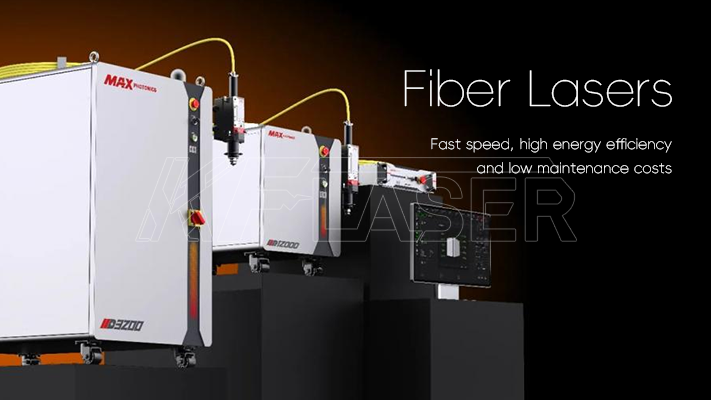
- Fiber Lasers:Utilizing solid-state diodes and fiber optics, these reign supreme for cutting reflective metals (stainless steel, aluminum, brass, copper) and thin-to-mid thickness materials. They offer blistering speeds, exceptional energy efficiency (often 2-3X better than CO2), minimal maintenance, and lower consumable costs. Expect a premium for this performance, especially at higher power levels. Fiber lasers represent the current benchmark for most industrial metal fabrication.
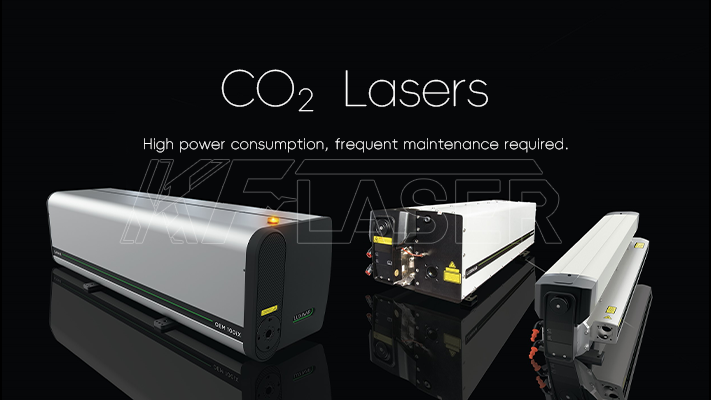
- CO2 Lasers:Generating light via a gas mixture (carbon dioxide, nitrogen, helium) excited electrically. While historically dominant and potentially cheaper upfront for lower-power models, CO2 lasers struggle with reflective metals, consume significantly more power, require more frequent maintenance (mirror alignments, gas replenishment, tube replacements), and operate slower than fiber lasers on thin metals. Their operational costs over time can erode any initial savings.
2. Power Output (Watts): Fueling Cutting Capability
Laser power, measured in Watts (W) or Kilowatts (kW), directly correlates with purchase price and operational capability:
- Lower Power (500W – 2kW):Ideal for thinner gauges (under 1/4″ or 6mm mild steel), precision cutting, and lower-volume shops. Entry-level machines often start here. The cost of metal laser cutting machine in this range is more accessible but limits material thickness and speed.
- Mid-Range Power (3kW – 6kW):The industrial sweet spot. Handles a broad spectrum – from thin sheet up to 1/2″ (12mm) mild steel or 3/8″ (10mm) stainless/aluminum efficiently. Offers the best balance of capability, speed, and cost of metal laser cutting machine for many fabricators. Significant jumps in price occur as power increases.
- High Power (8kW – 30kW+):Built for heavy plate cutting (1″ / 25mm mild steel and beyond), extreme speeds on thinner materials, and high-volume production. The cost of metal laser cutting machine at this level escalates dramatically, demanding substantial justification through throughput needs.
3. Work Envelope Size: Your Cutting Real Estate
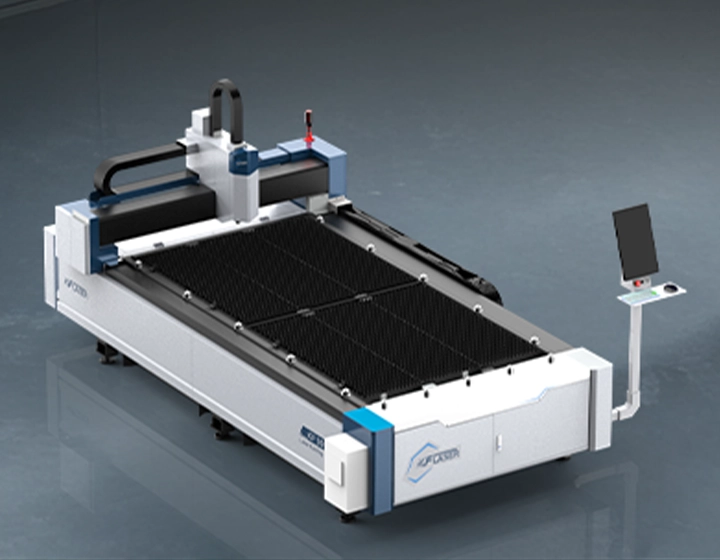
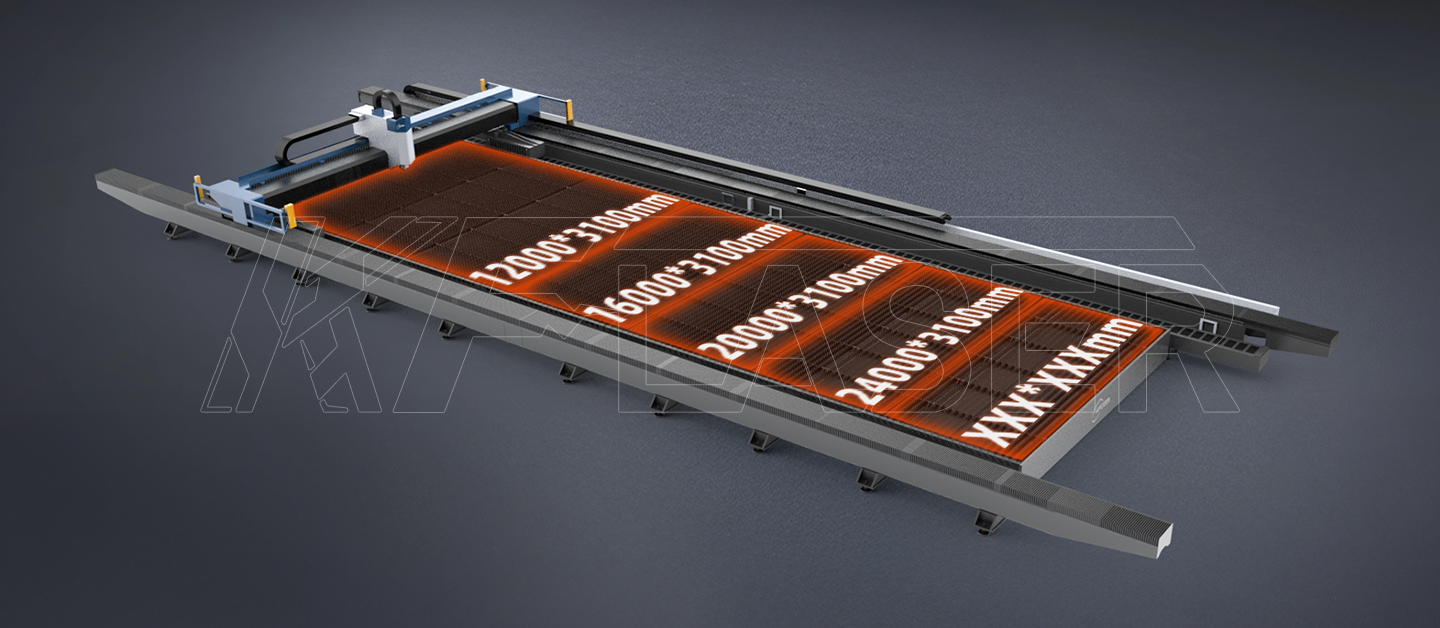
The dimensions of the cutting bed (X and Y axis) determine the maximum sheet size the machine can process. Larger beds naturally cost more due to increased structural materials, longer linear drives, and potentially larger laser power requirements for consistent cutting across the area. Consider:
- Standard Sheet Sizes:Aligning your bed size with common stock (e.g., 4’x8′ / 1200x2400mm, 5’x10′ / 1500x3000mm) minimizes waste and handling.
- Tube Cutting Add-ons:Machines capable of cutting long tubes or profiles require specialized chucks, rotary axes, and software, adding significantly to the base cost of metal laser cutting machine.
4. Machine Construction & Core Components: Built to Last or Built to Bust?
Durability, precision, and longevity hinge on the quality of core components:
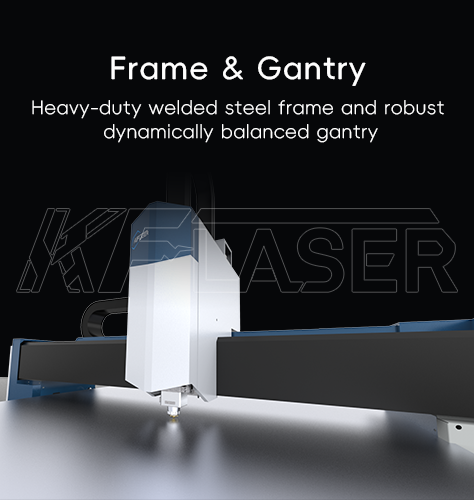
- Frame & Gantry:Heavy-duty welded steel frames and robust, dynamically balanced gantries resist vibration and thermal distortion, ensuring consistent accuracy over years of use. Lightweight frames save initial cost but compromise precision and lifespan.
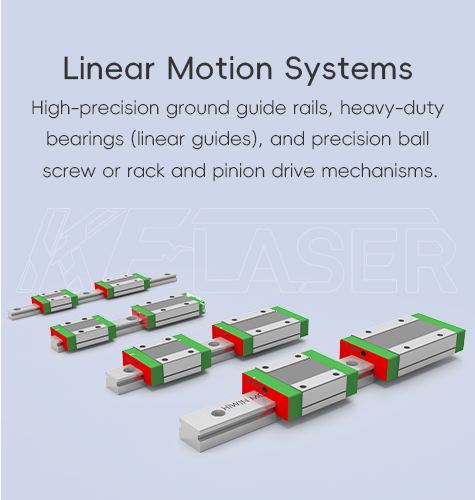
- Linear Motion Systems:High-precision ground rails, heavy-duty bearings (linear guides), and precision ball screws or rack-and-pinion drives are essential for smooth, accurate, high-speed movement. Cheap alternatives wear quickly, leading to inaccuracy and costly downtime.
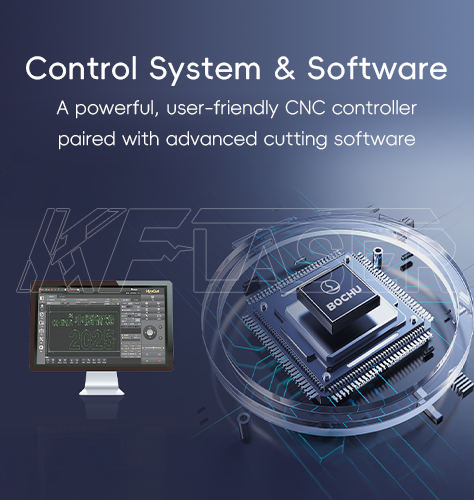
- Control System & Software:A powerful, user-friendly CNC controller (e.g., Siemens, Beckhoff, PA) paired with advanced cutting software (nested, CAD/CAM integration, process databases) is crucial for efficiency and ease of use. Proprietary software can lock you into a vendor; open systems offer more flexibility. This software intelligence significantly impacts the machine’s usability and overall value proposition.
5. Automation & Material Handling: Boosting Productivity, Adding Cost
Manual loading/unloading limits throughput. Automation dramatically increases machine utilization but adds substantially to the cost of metal laser cutting machine:
- Basic Load/Unload:Simple arms or conveyors for moving cut sheets in/out.
- Pallet Changers:Allow one pallet to be cut while an operator loads/unloads another offline, minimizing idle time. A significant productivity boost.
- Tower Systems:Automated storage for multiple sheets, feeding the laser continuously for lights-out production. Represents a major capital investment but maximizes ROI for high-volume shops.
- Integrated Deburring/Part Sorting:Adding downstream automation further increases system complexity and cost.
6. Optics & Cutting Head: Precision Delivery System
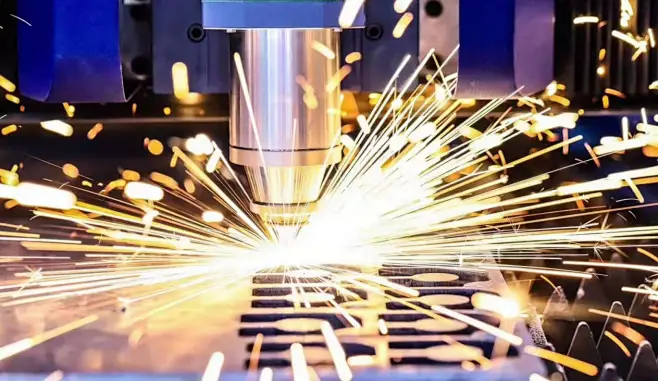
High-quality lenses and nozzles ensure optimal beam focus and gas flow, critical for cut quality and consumable life. Advanced cutting heads offer features adding value (and cost):
- Automatic Focus Control (AFC):Dynamically adjusts the focal point during cutting, essential for piercing and cutting uneven or warped sheets. Almost essential for modern cutting.
- Collision Protection:Prevents costly damage to the cutting head if it hits material or debris.
- Capacitive Height Sensing:Maintains precise nozzle-to-material distance for consistent cut quality, especially over uneven surfaces. Superior to traditional mechanical touch sensing.
7. Brand Reputation, Support & Service: The Intangible Investment
Established manufacturers with a global service network command higher prices. This premium buys:
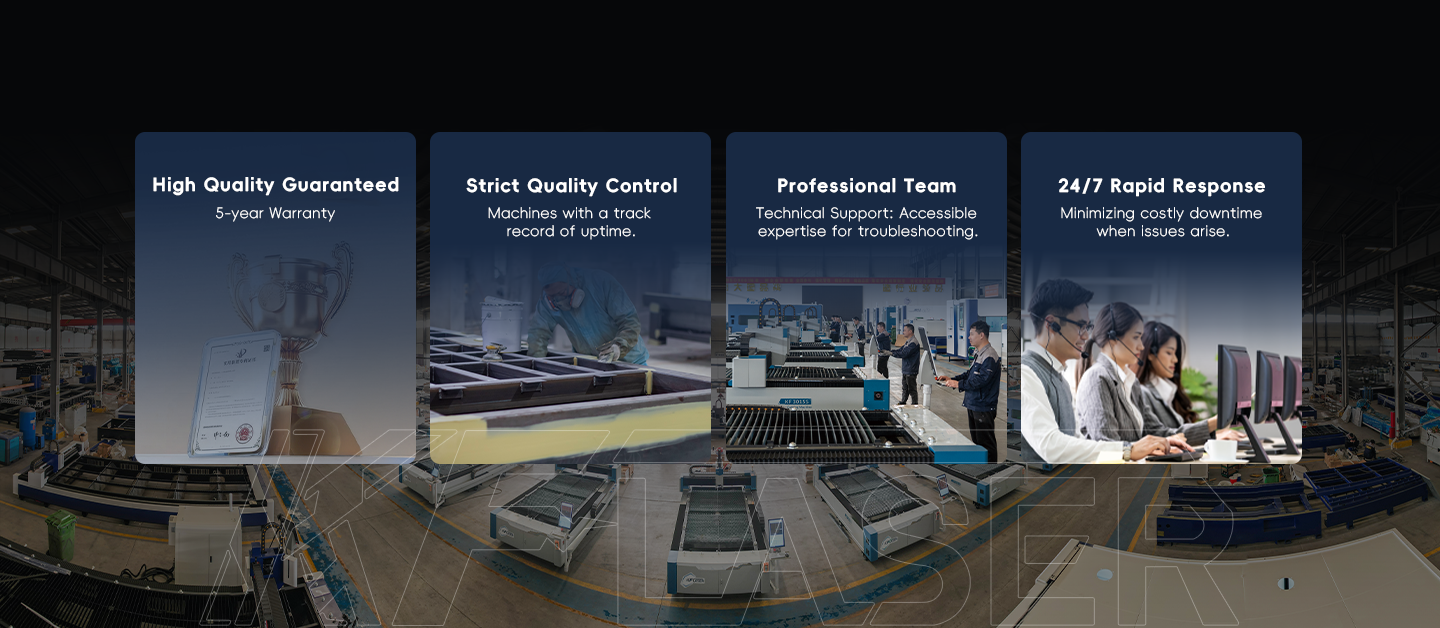
- Proven Reliability:Machines with a track record of uptime.
- Comprehensive Training:Getting your team operational quickly.
- Technical Support:Accessible expertise for troubleshooting.
- Parts Availability & Service Response:Minimizing costly downtime when issues arise. Cutting corners on support can lead to exponentially higher costs later.
8. Beyond Purchase Price: Calculating True Lifetime Cost (TCO)
The initial cost of metal laser cutting machine is only part of the financial picture. True cost encompasses:
- Installation & Rigging:Site preparation, foundation, electrical hookup (often requiring high-voltage 3-phase), air compressor, chiller unit, exhaust system, and rigging fees.
- Consumables:Nozzles, lenses, focus lenses, ceramic rings, cutting gases (Nitrogen, Oxygen). Fiber lasers have far lower consumable costs than CO2.
- Energy Consumption:Fiber lasers are vastly more energy-efficient than CO2 lasers, especially at higher powers. This is a major ongoing operational cost difference.
- Maintenance:Regular preventative maintenance (optics cleaning, alignment checks, lubrication, system calibration) is crucial. Factor in service contracts or internal labor costs. CO2 lasers require more frequent and costly maintenance (tube replacements, mirror cleaning/alignment, gas refills).
- Software Licenses & Updates:Annual fees for software support and upgrades.
- Operator Labor:The cost of skilled personnel to run and program the machine.
- Financing:Interest if purchasing via loan or lease.
- Potential Downtime Costs:Lost production revenue during breakdowns or maintenance. A reliable machine with good support minimizes this.
Navigating the Investment: Key Considerations
- Material & Thickness:What metals and thicknesses dominate your work? This dictates laser type (fiber essential for reflective metals) and minimum power required. Don’t buy excess capability you won’t use.
- Volume & Shift Requirements:High-volume or multi-shift production justifies higher-power machines and automation (loaders, pallet changers) to maximize throughput and ROI.
- Part Complexity & Tolerance:Intricate designs or tight tolerances demand higher machine precision and potentially more advanced software features.
- Available Space & Infrastructure:Ensure your facility can accommodate the machine’s footprint, weight, power requirements (high-voltage 3-phase is typical), compressed air, cooling water, and exhaust ventilation. Installation costs can be substantial.
- Operator Skill Level:Consider the learning curve of the control system and software. User-friendly interfaces and good training support are valuable.
- Vendor Evaluation:Scrutinize build quality, component brands, software capabilities, warranty terms, service network proximity, response times, and parts pricing. Get references from existing customers with similar machines and workloads.
Making the Smart Choice
The cost of metal laser cutting machine is a complex equation with no single “right” answer. An entry-level 1kW fiber laser might cost 50,000−50,000−80,000, while a robust 6kW machine with a pallet changer could easily reach 400,000−400,000−600,000+, and high-power 12kW+ systems with full automation climb well over $1 million. Resist the allure of the absolute cheapest option; it often translates to inferior components, poor support, and higher lifetime costs through downtime and repairs. Conversely, avoid overbuying capabilities you won’t utilize. The optimal machine delivers the precise capabilities you need today, with reasonable headroom for near-term growth, backed by a reputable manufacturer offering robust support. It strikes the perfect balance between initial investment, operational efficiency, reliability, and long-term total cost of ownership. Thoroughly analyze your specific needs, scrutinize the true TCO, partner with a trustworthy supplier, and your investment in a metal laser cutter will become a powerful engine for precision, productivity, and profit.

Top Stories
Product Categories
- Metal Laser Cutter
- Laser Welder Machine
- Laser Cleaner Machine
- Laser Marker Machine
- Press Brake Machine