News
The Unstoppable Force: How Lasers Slice Through Steel Like Butter
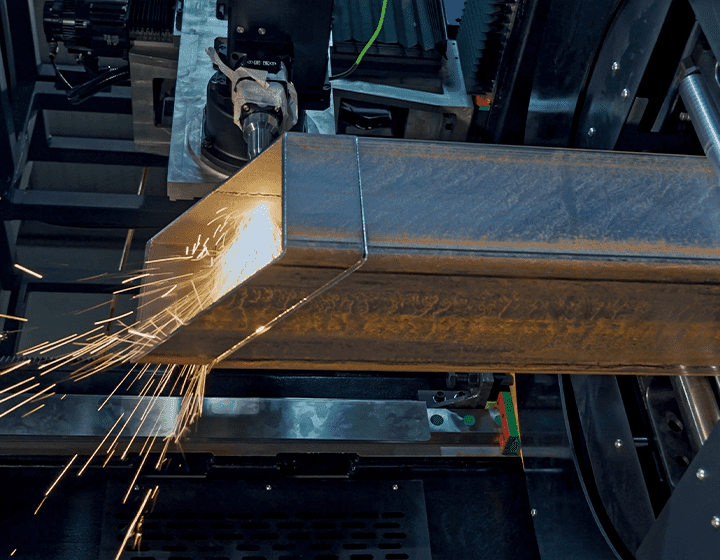
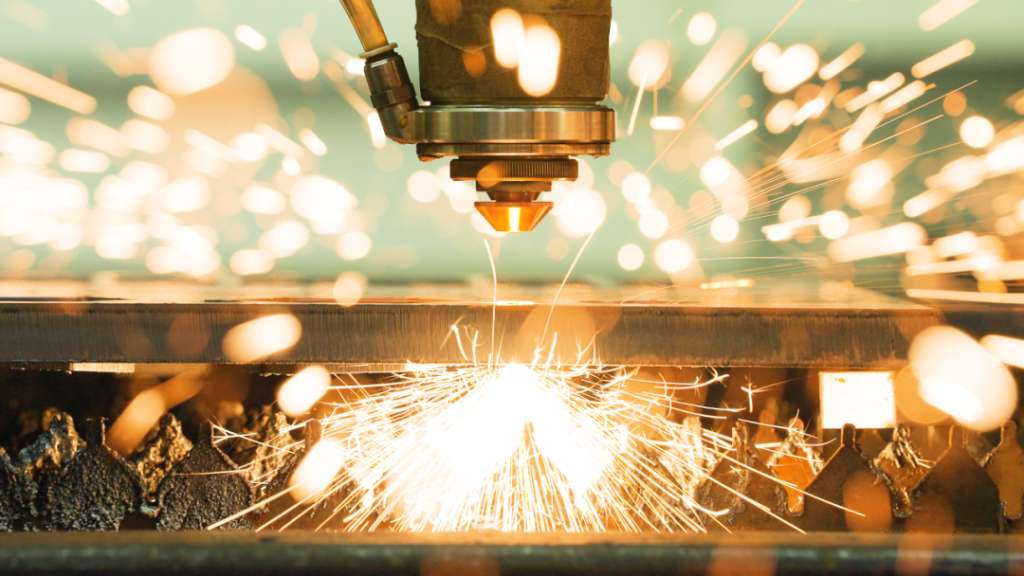
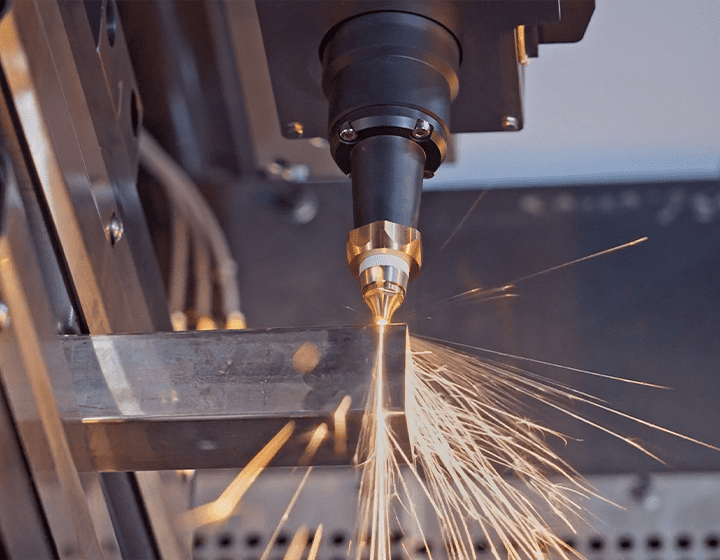
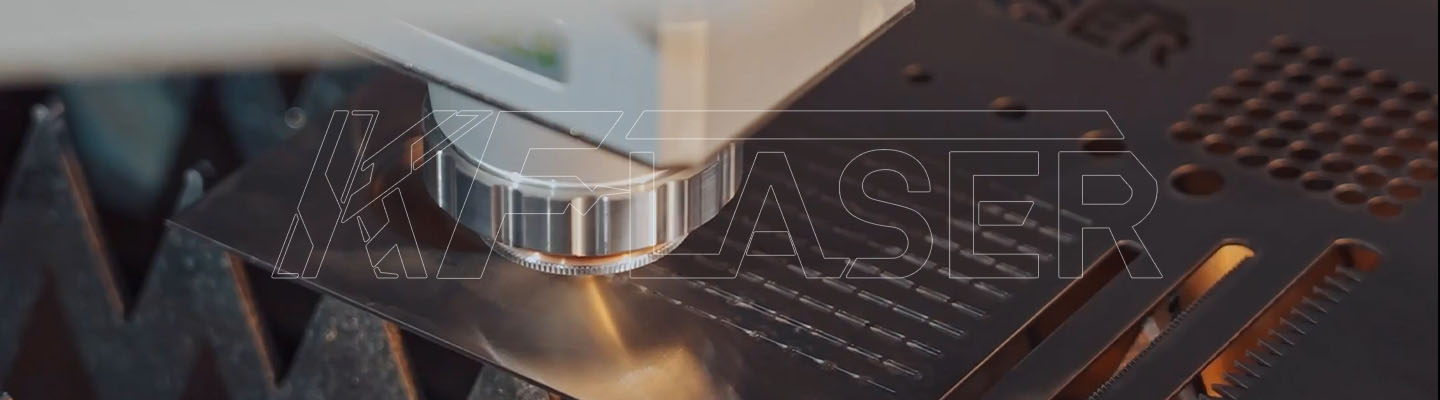
A laser that cuts steel represents the pinnacle of modern industrial innovation—transforming raw metal into intricate designs with inhuman precision. Imagine a beam of light so powerful it vaporizes solid steel in seconds, yet so precise it etches microscopic details. This technology isn’t science fiction; it’s reshaping aerospace, automotive, and manufacturing realms globally.
The Science Behind the Beam
Laser cutting leverages amplified light to melt or vaporize steel. Photons concentrated into a nanometer-thin beam generate temperatures exceeding 10,000°C—instantly overcoming steel’s structural integrity. Assist gases (oxygen or nitrogen) eject molten material, creating flawless edges. Three laser types dominate steel cutting:
- Fiber Lasers: Energy-efficient and ideal for thin-to-medium steel (up to 30mm).
- CO₂ Lasers: Suited for thicker plates (up to 50mm), using gas mixtures for deeper penetration.
- Disk Lasers: Balance speed and power for high-volume industrial tasks.
Industrial Applications Revolutionized
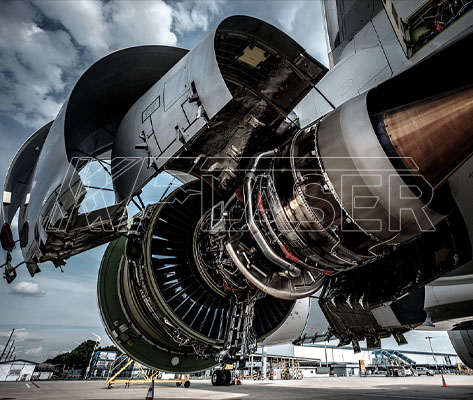
- Aerospace: Cutting turbine blades with ±0.1mm tolerances.
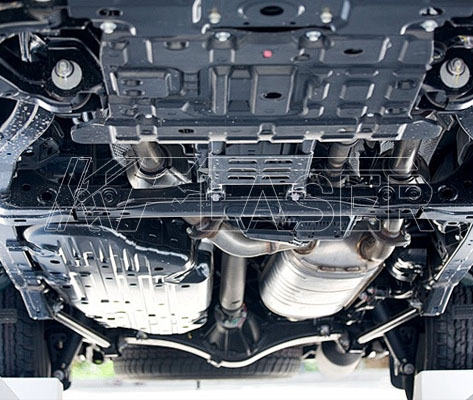
- Automotive: Crafting chassis components at 10x traditional speeds.
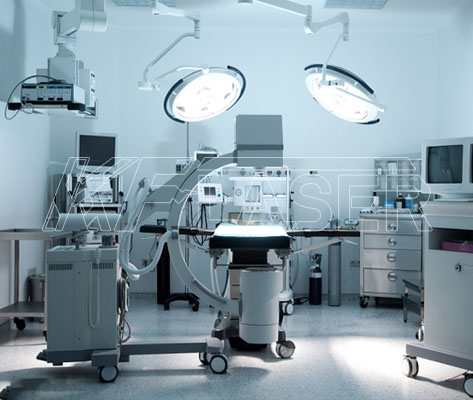
- Medical Devices: Fabricating surgical tools with bacteria-resistant seams.
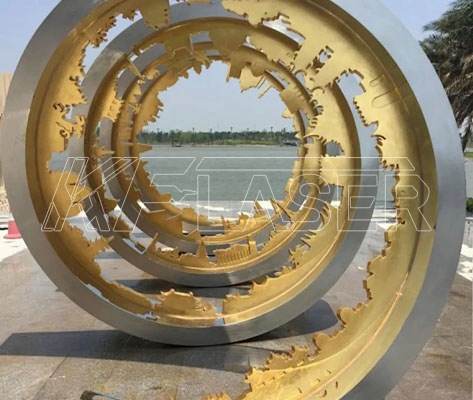
- Artistic Metalwork: Enabling sculptors to realize impossible geometries.
5 Advantages Over Conventional Methods
- Precision Unmatched
Lasers achieve kerf widths as narrow as 0.1mm, eliminating post-processing. Plasma or waterjet cutting leaves burrs requiring grinding—adding 25% labor costs. - Speed Redefined
A 6kW fiber laser slices 15mm steel at 3 meters/minute—5x faster than plasma alternatives. Production lines boost output by 40% with automated laser systems. - Material Versatility
From stainless steel to carbon alloys, lasers adjust power/speed settings instantly. No retooling needed for different thicknesses (1–50mm). - Cost Efficiency
Energy consumption drops 30% versus plasma systems. Scrap rates plummet to 2% due to nesting optimization software. - Safety & Eco-Impact
Enclosed systems minimize UV radiation risks. Compared to oxy-fuel cutting, lasers reduce CO₂ emissions by 18 tons annually per unit.
Critical Selection Criteria
Choosing the right laser demands understanding:
- Thickness Requirements: Fiber lasers underperform beyond 30mm; CO₂ excels but consumes 20% more energy.
- Production Scale: High-volume factories prioritize fiber lasers (20,000+ hours lifespan).
- Budget Constraints: Disk lasers offer mid-range pricing with 15% faster ROI than CO₂ systems.
Operational Best Practices
- Maintenance Protocols: Clean lenses daily—dust reduces efficiency by 12%. Calibrate mirrors biweekly.
- Safety Non-Negotiables: Class 4 laser compliance requires enclosed work cells and emergency beam shutoffs.
- Software Integration: AI-driven systems (e.g., CAD/CAM nesting) optimize material usage, saving $5k monthly in waste.
The Horizon: What’s Next
- Ultrafast Pulsed Lasers: Research yields beams 100x quicker, minimizing heat distortion in aerospace alloys.
- Quantum Dot Lasers: Emerging tech promises 50% energy reduction while doubling cutting depth.
- Hybrid Manufacturing: Combining additive manufacturing with laser cutting for single-step part production.
Why This Matters Now
Industries leveraging laser that cuts steel report 34% higher profit margins than competitors. As renewable energy and electric vehicles surge, demand for precision-cut steel components will grow 200% by 2030. Whether sculpting architectural marvels or crafting life-saving implants, this technology isn’t just cutting metal—it’s carving the future.
“In the clash between light and steel, light won—and industry will never look back.”
Top Stories
Product Categories
- Metal Laser Cutter
- Laser Welder Machine
- Laser Cleaner Machine
- Laser Marker Machine
- Press Brake Machine