News
Low Cost Fiber Laser Cutting Machines | Ultimate Guide
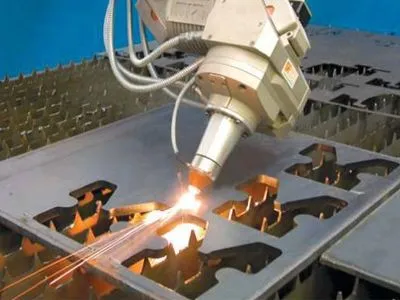
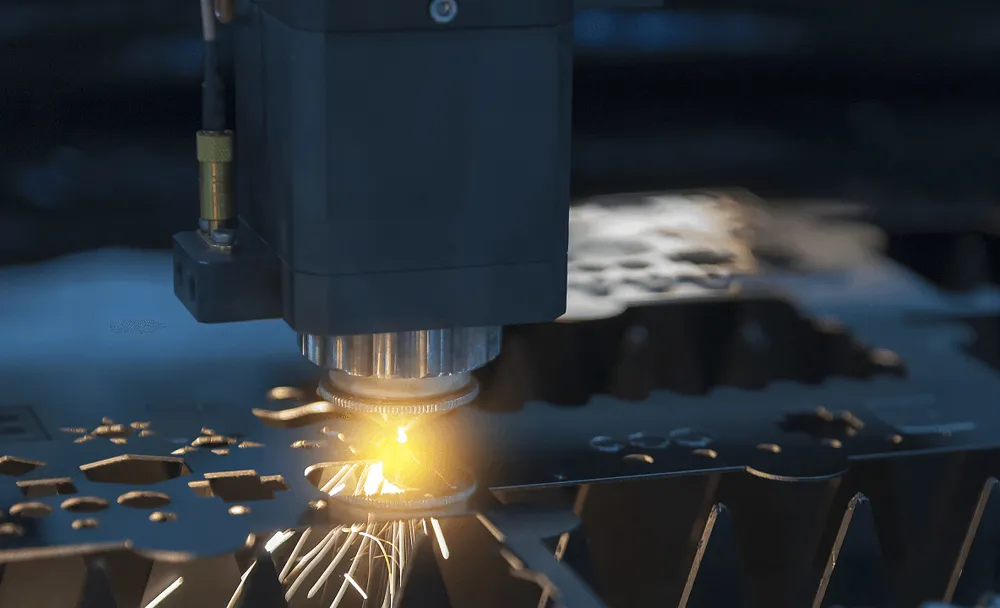
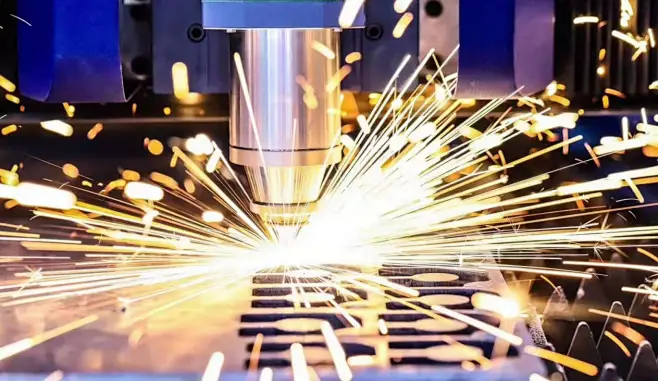
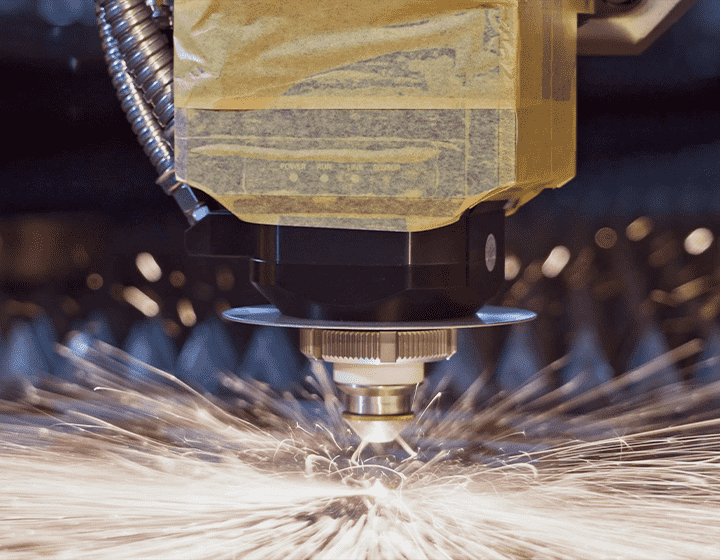
Low cost fiber laser cutting machines are transforming workshops worldwide, offering unprecedented affordability and precision. Imagine slashing production expenses by half, achieving flawless cuts in mere seconds, and revolutionizing your entire operation—all with a single, budget-friendly investment. Forget the days of costly, cumbersome equipment; these machines deliver professional-grade results at a fraction of the price, empowering small businesses and hobbyists alike to compete in today’s fast-paced market.
The rise of fiber laser technology marks a seismic shift in manufacturing, and low cost variants make this innovation accessible to all. Unlike traditional CO2 lasers, fiber lasers use solid-state diodes to generate beams, eliminating the need for gas refills and complex cooling systems. This translates to lower operational costs, reduced maintenance headaches, and faster cutting speeds—often exceeding 30 meters per minute. Users report energy savings of up to 70% compared to older models, making low cost fiber laser cutting machines a smart choice for eco-conscious operations. But how do they achieve such affordability without sacrificing quality? Advances in component sourcing and mass production have driven prices down, while rigorous engineering ensures durability. For instance, many entry-level models now incorporate robust fiber optics and high-efficiency diodes that withstand daily use without frequent breakdowns. This democratization of technology means even startups can afford industrial-grade capabilities, unlocking opportunities in metal fabrication, automotive repairs, and DIY projects.
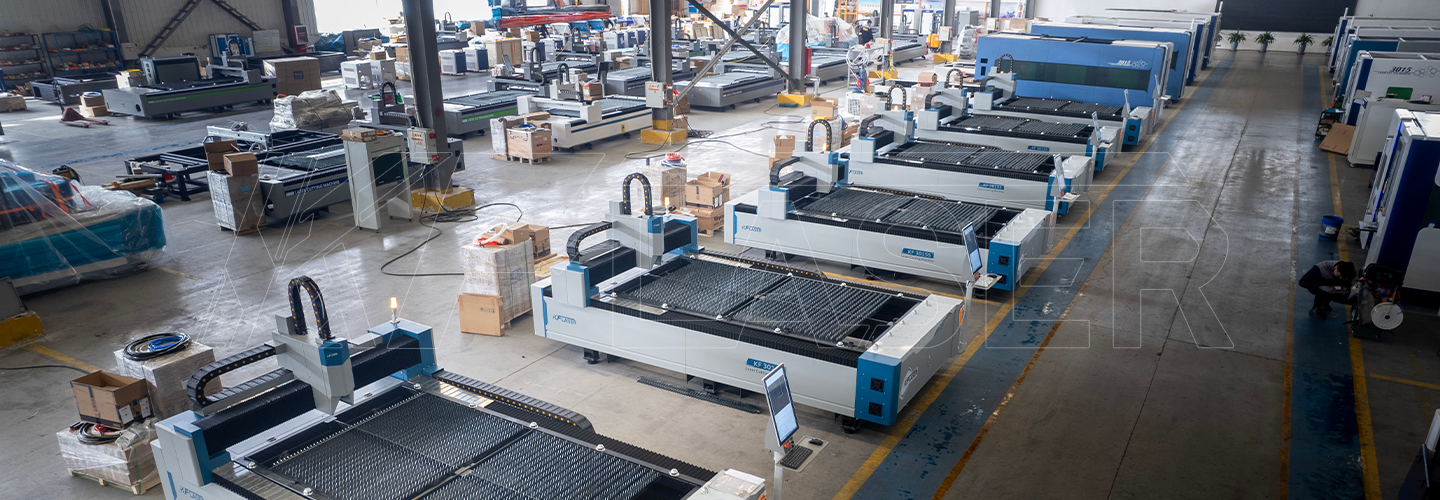
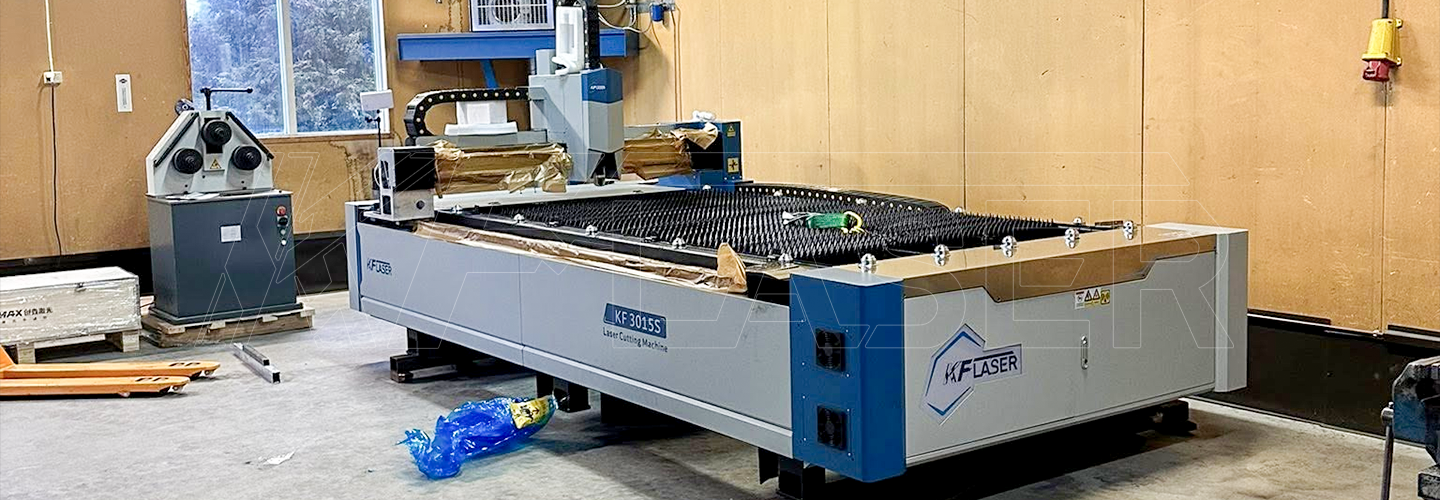
Selecting the right low cost fiber laser cutting machines require careful consideration to avoid pitfalls like hidden fees or subpar performance. Start by evaluating cutting specifications such as power output—typically ranging from 500W to 1500W for budget models—which directly impacts material thickness capabilities. A machine with 1000W can cleanly slice through 10mm steel sheets, ideal for automotive parts, while lower wattage suits thinner metals like aluminum or copper. Next, assess the bed size; compact units under $10,000 often feature 1.5m x 3m tables, perfect for small workshops, whereas larger beds accommodate bulkier projects. Software compatibility is another critical factor; user-friendly interfaces with CAD/CAM integration streamline design-to-cut workflows, reducing errors and training time. Safety features shouldn’t be overlooked either; look for models with enclosed cutting areas and automatic shutdowns to prevent accidents. To maximize value, prioritize suppliers offering comprehensive warranties and local support, as this minimizes downtime and unexpected repair costs. Real-world case studies reveal that businesses save thousands annually by opting for these machines, with ROI periods as short as six months through increased productivity and reduced waste.
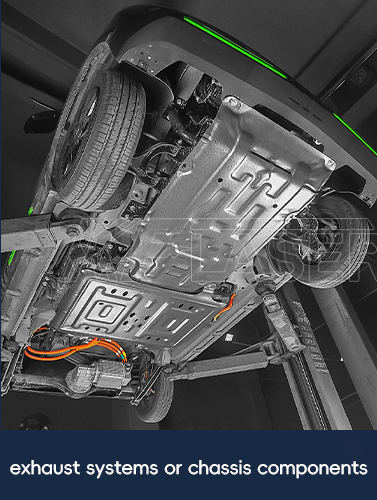
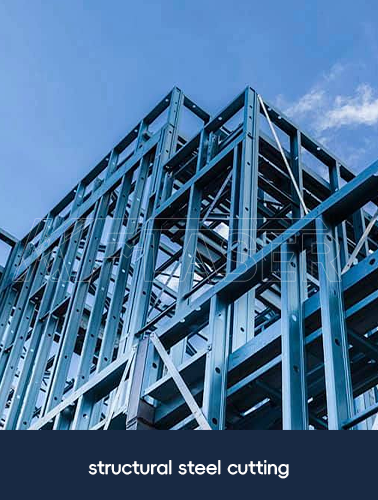
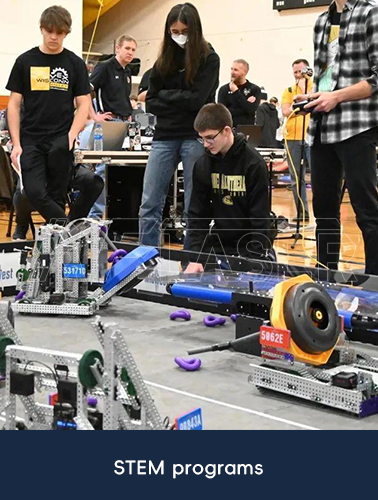
Applications for low cost fiber laser cutting machines span diverse industries, demonstrating their versatility and cost-efficiency. In the automotive sector, shops use them for custom part fabrication, achieving micron-level accuracy on exhaust systems or chassis components without expensive outsourcing. Jewelers benefit from intricate designs on precious metals, where the laser’s precision prevents material loss and enhances artistic detail. Construction firms deploy these units for structural steel cutting, speeding up projects while adhering to tight budgets. Even educational institutions incorporate them into STEM programs, teaching students advanced manufacturing skills affordably. This broad applicability stems from the technology’s adaptability; operators can switch between materials like stainless steel, brass, or plastics with minimal adjustments, thanks to adjustable power settings and automated focus controls. Environmental advantages add another layer of appeal—fiber lasers produce fewer emissions and consume less power than alternatives, aligning with global sustainability trends.

Maintenance is straightforward with low cost fiber laser cutting machines, ensuring longevity without costly upkeep. Routine tasks include daily lens cleaning to prevent residue buildup, which can distort the laser beam and reduce cut quality. Monthly inspections of the cooling system—often a simple air-cooled unit—help avoid overheating, while annual diode checks preserve energy efficiency. Users should monitor consumables like nozzles and mirrors, replacing them every few months to maintain peak performance. Troubleshooting common issues, such as inconsistent cuts, often involves recalibrating the focal length or updating software, tasks easily managed with manufacturer-provided guides. By following these practices, machines can operate reliably for over a decade, making the initial low cost investment a long-term asset.
Industry trends indicate a bright future for affordable fiber laser solutions, driven by innovations like AI-assisted controls that optimize cutting paths in real-time. These advancements promise even lower prices and higher precision, reinforcing accessibility. As demand grows, expect wider availability and enhanced features, solidifying low cost fiber laser cutting machines as indispensable tools for modern manufacturing.
Ultimately, embracing this technology opens doors to efficiency and profitability. Whether you’re a seasoned fabricator or a budding entrepreneur, a low cost fiber laser cutting machine can redefine your capabilities—start exploring options today to transform your workflow and stay ahead in an evolving market.

Top Stories
Product Categories
- Metal Laser Cutter
- Laser Welder Machine
- Laser Cleaner Machine
- Laser Marker Machine
- Press Brake Machine