News
The Goldilocks Zone: Why the 1kw Fiber Laser Cutter Hits the Sweet Spot for Growing Shops.
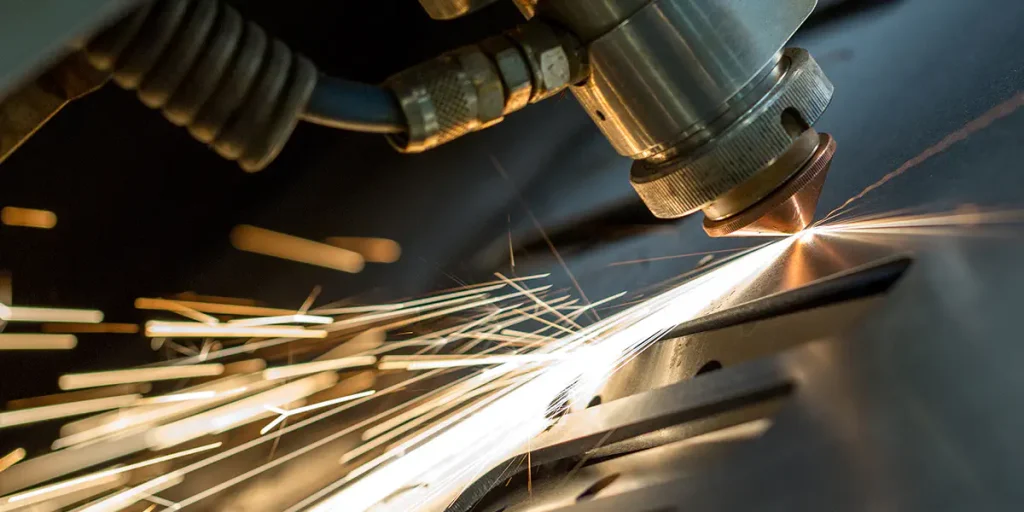
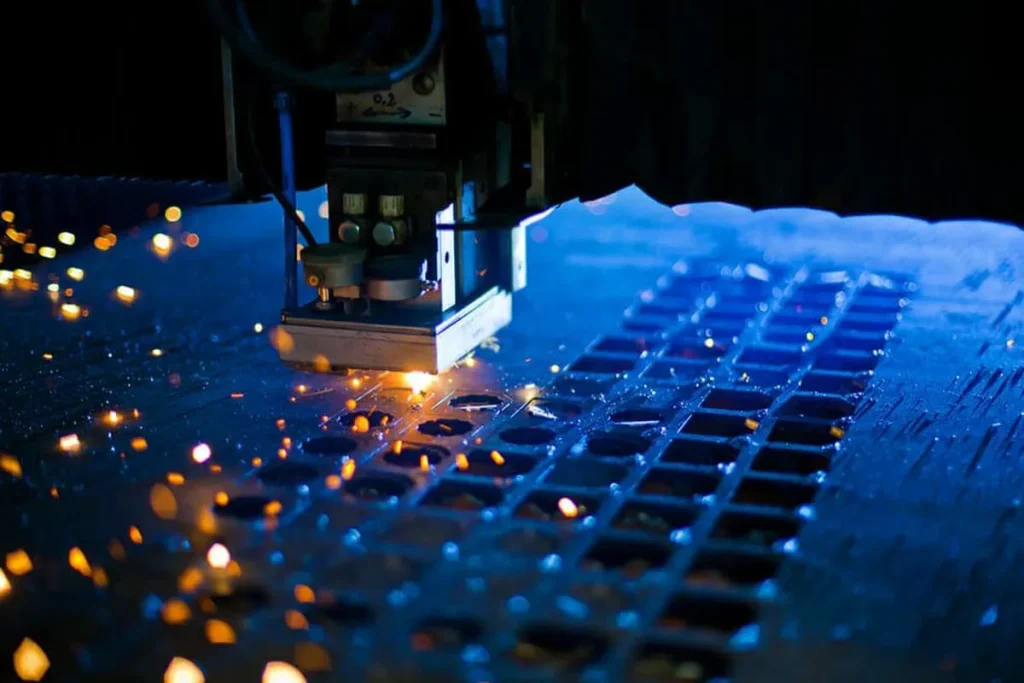
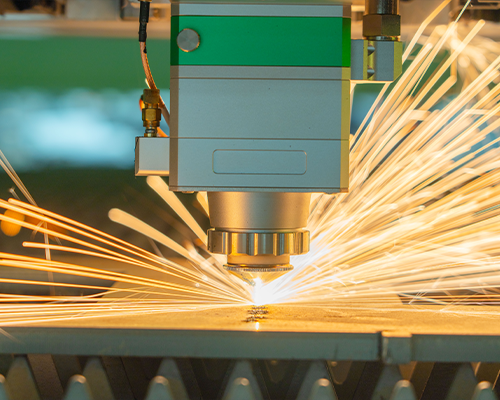
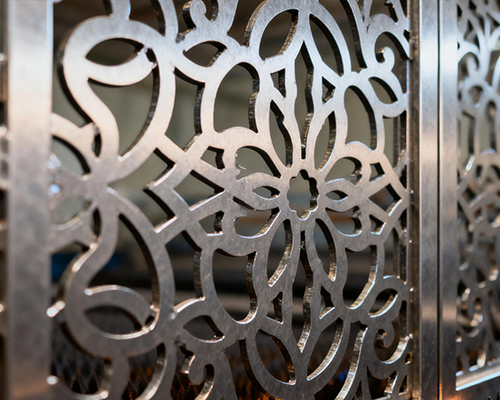
1kw fiber laser cutter systems embody the perfect equilibrium in metal fabrication – enough raw power to tackle serious production work, yet remarkably accessible and efficient. Imagine effortlessly slicing through 1/2-inch steel plate, producing hundreds of intricate stainless steel components daily with pristine edges, or rapidly processing aluminum enclosures without the astronomical price tag of higher-power beasts. This 1000-watt class machine delivers a compelling proposition: substantial capability without overwhelming complexity or cost. It’s the fiber laser sheet cutting machine that often marks the pivotal transition for shops moving beyond plasma or mechanical cutting, unlocking a new realm of speed, precision, and job versatility that fuels business growth and competitiveness.
Capability Unlocked: Materials & Thickness Mastery:
The 1kw fiber laser cutter significantly expands your shop’s capacity:
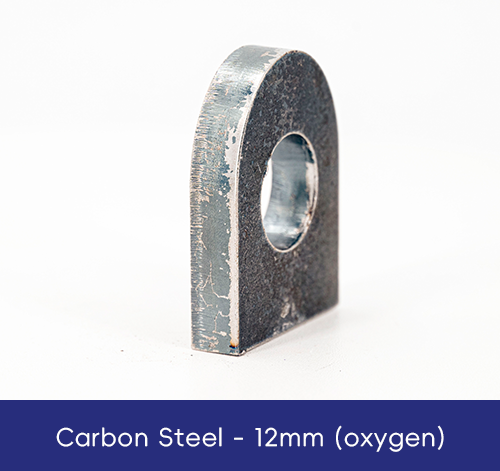
- Mild Steel:Oxygen Assist: Efficient cutting up to 10mm (3/8″) with good quality, capable of 12mm (1/2″) at reduced speeds. Nitrogen Assist: Clean, weld-ready edges on sheets up to 6-8mm (1/4″ – 5/16″).
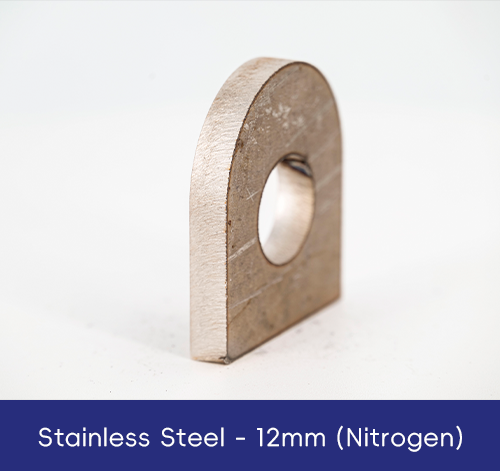
- Stainless Steel (Nitrogen):Excellent cut quality and speed on sheets up to 6mm (1/4″), capable of 8mm (5/16″) with optimized parameters. Oxidation-free edges are standard.
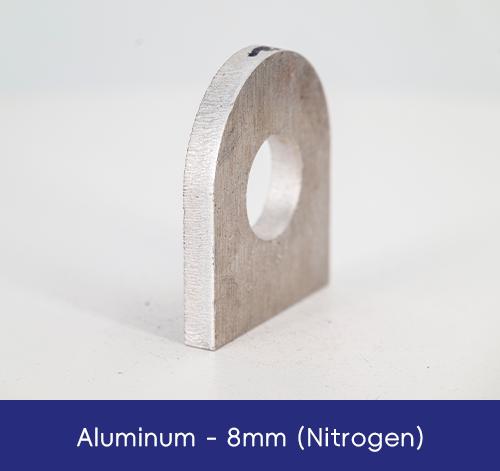
- Aluminum (Nitrogen):Clean cuts achievable on sheets up to 6mm (1/4″), with 8mm (5/16″) possible but potentially requiring slower speeds and meticulous dross control.
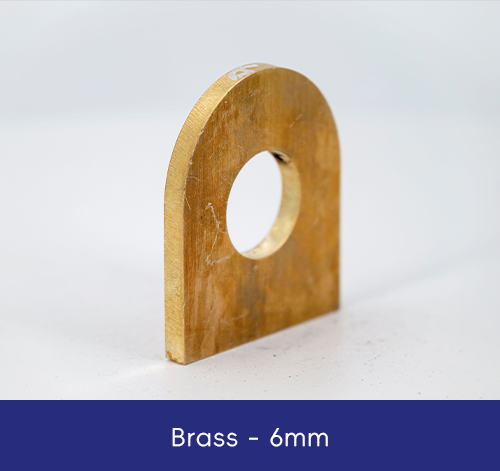
- Brass & Copper:Manageable on thinner sheets (typically <2-3mm) using high-pressure nitrogen and specific pulse settings, leveraging the fiber laser’s advantage over CO2 on reflectivity.
- Speed Advantage:Expect cutting speeds roughly 20-40% faster than a 500W machine on equivalent thicknesses and significantly faster than plasma on thin-to-medium gauges with superior edge quality. For example, cutting 3mm mild steel with oxygen can reach 15-20 m/min (50-65 ft/min).
The Compelling Value Proposition:
Choosing a 1kw fiber laser cutter offers a powerful blend of performance and practicality:
- Significant Performance Leap:A major step up in capability and speed from 500W-750W machines, enabling thicker materials and higher throughput.
- Lower Capital Investment:Substantially more affordable than 1.5kW, 2kW, or higher systems, offering an excellent entry point into serious production fiber laser cutting.
- Reduced Operating Costs:While consuming more power than lower-wattage machines, it remains significantly more energy-efficient than equivalent CO2 lasers. Consumable costs (lenses, nozzles) are similar to lower-power fiber lasers.
- Improved ROI:The combination of increased capability, speed, and relatively lower cost accelerates the return on investment, especially for shops processing a mix of thin and medium-gauge materials.
- Compact Footprint Options:Many 1kW systems are available in space-efficient formats suitable for medium-sized workshops.
- Foundation for Growth:Provides a solid platform to build production capacity; many manufacturers offer upgrade paths to higher laser power within the same machine frame.
Optimizing the 1kw Workflow for Peak Performance:
To extract maximum value from your 1kw fiber laser cutter, focus on:
- Precise Parameter Development:Invest significant time in creating and refining cutting parameters for each specific material, thickness, and desired edge quality (especially balancing speed vs. dross elimination with nitrogen). Utilize manufacturer recommendations as a starting point.
- Assist Gas Strategy:Understand the trade-offs. Nitrogen delivers clean edges on stainless/aluminum but is a significant operational cost. Oxygen boosts mild steel speed but creates oxide. Compressed air can be viable for thin mild steel etching or non-metal cutting but generally not for quality metal cutting. Invest in high-quality gas filtration.
- Focus on Nesting Efficiency:With increased cutting speed, material cost becomes an even larger portion of part cost. Advanced nesting software is crucial to minimize scrap. Consider common cutting and skeleton utilization strategies.
- Proactive Maintenance Regimen:Strict adherence to cleaning schedules for lenses and nozzles is paramount. Monitor chiller performance and coolant levels. Regularly check beam path alignment and focus calibration to maintain peak cut quality and prevent power loss.
- Operator Skill Development:Move beyond basic operation. Train operators to recognize optimal cut quality indicators (striation pattern, dross), perform basic troubleshooting (pierce issues, edge roughness), and understand the impact of parameter changes.
Ideal Applications & Shop Profiles:
The 1kw fiber laser cutter shines in diverse environments:
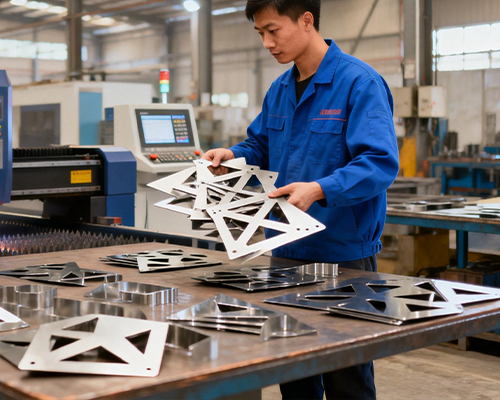
- Job Shops:Handling a wide variety of customer orders with mixed materials (predominantly sheet metal under 1/4″ stainless/alu, 3/8″ mild steel) and part quantities. Flexibility is key.
- Startups & Growing Fabricators:Offering a manageable entry cost while providing substantial production capacity to support business expansion.
- Specialized Manufacturers:Producing components for electronics, HVAC, furniture, signage, agricultural equipment, or architectural metalwork where precision and good edge quality on medium-thickness sheets are required.
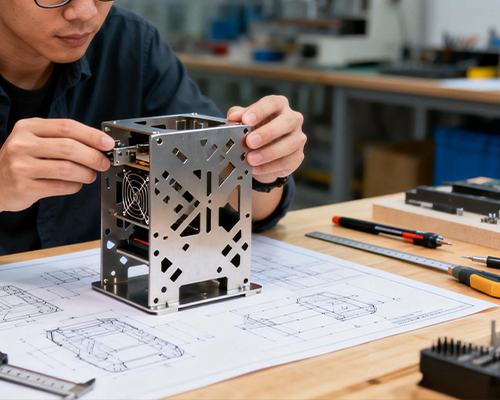
- Prototyping Labs:Fast iteration of functional prototypes in various metals.
- Adding Laser Capacity:Complementing existing plasma or waterjet machines for higher-precision, faster thin-gauge work.
Stepping Stone to Greater Power:
A 1kw fiber laser cutter is often the gateway to higher-power laser cutting. Its operation provides invaluable experience in fiber laser technology, parameter optimization, and workflow management. Many shops successfully run a 1kW machine for years, while others leverage it as a stepping stone, later upgrading the laser source within the same machine frame to 1.5kW or 2kW as their business demands thicker capacity or higher speeds. This flexibility underscores its role as a versatile and strategically sound investment in the dynamic landscape of modern metal fabrication, consistently delivering the power and precision needed to compete effectively.

Top Stories
Product Categories
- Metal Laser Cutter
- Laser Welder Machine
- Laser Cleaner Machine
- Laser Marker Machine
- Press Brake Machine