News
Thin Metal Laser Cutting Machine | Precision Tools
Thin metal laser cutting machine technology has revolutionized the manufacturing landscape, turning once-impossible precision into a daily reality for workshops, factories, and innovators worldwide. Imagine a tool so precise it can carve intricate patterns into a sheet of aluminum thinner than a credit card, yet so powerful it can slice through stainless steel with the ease of a hot knife through butter. This isn’t science fiction—it’s the present, and it’s reshaping industries from aerospace to electronics, automotive to medical device manufacturing. In an era where consumer demands for miniaturization, customization, and durability are skyrocketing, the thin metal laser cutting machine stands as the unsung hero, bridging the gap between design ambition and production feasibility.
The Evolution of Laser Cutting: From Industrial Giant to Precision Artisan
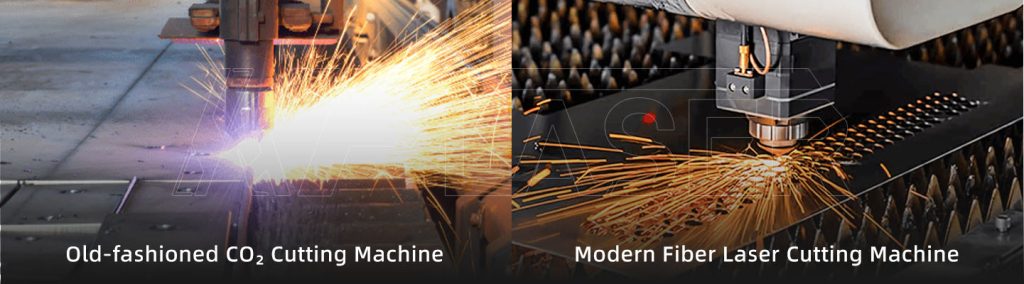
To truly appreciate the impact of thin metal laser cutting machines, we must first trace the evolution of laser technology itself. The first laser, invented in 1960 by Theodore Maiman, was a bulky, inefficient device used primarily for scientific research. By the 1970s, early laser cutters emerged in industrial settings, but they were limited to thick materials and crude precision. Fast-forward to the 21st century, and advancements in fiber laser technology, beam quality, and computer numerical control (CNC) systems have transformed these machines into precision instruments tailored for thin metals—materials that demand accuracy down to the micrometer. Today’s thin metal laser cutting machines are a far cry from their predecessors. Where older CO2 lasers struggled with heat-affected zones (HAZ) and slow cutting speeds on thin sheets, modern fiber lasers deliver a focused beam of light with wavelengths as short as 1064 nm, allowing for minimal thermal distortion and pinpoint accuracy. This leap in technology has not only expanded the range of materials that can be processed—from brass and copper to titanium and nickel alloys—but has also made laser cutting accessible to small businesses and hobbyists, democratizing manufacturing in ways once unimaginable.
How Thin Metal Laser Cutting Machines Work: The Science Behind the Spark
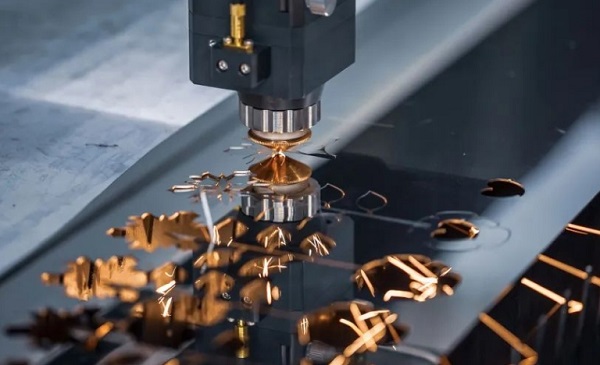
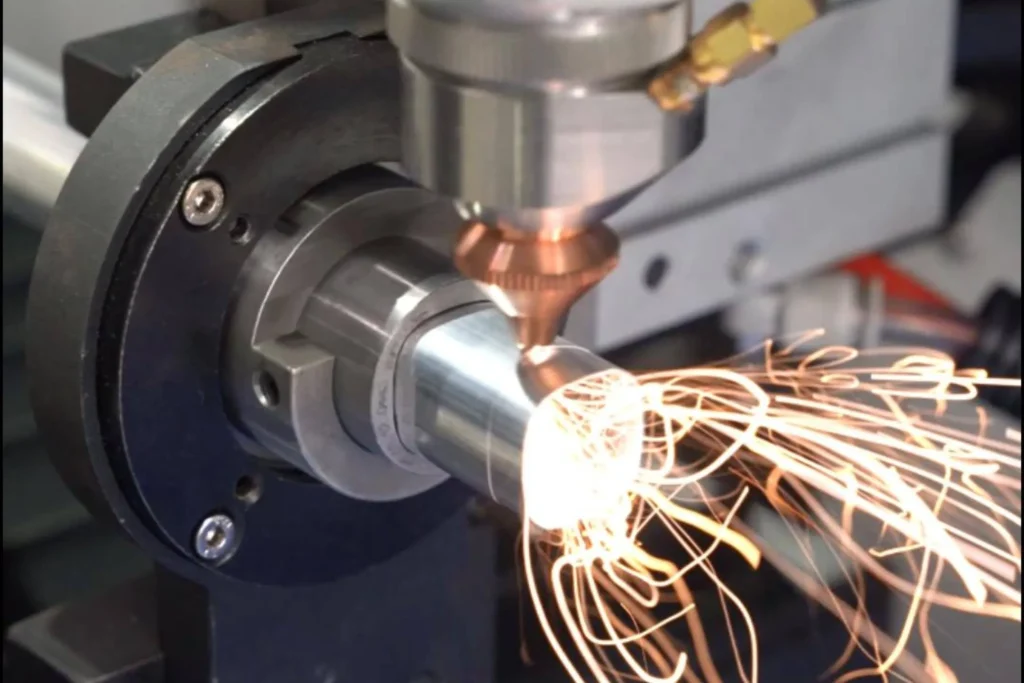
At its core, a thin metal laser cutting machine operates on a deceptively simple principle: concentrated light energy. But the engineering that makes this possible is anything but basic. Let’s break it down step by step. First, the machine generates a laser beam using a resonator, typically a fiber laser source for thin metal applications. Fiber lasers are preferred here because they convert electrical energy into light with extraordinary efficiency (up to 30%, compared to 10% for CO2 lasers) and produce a beam with exceptional focusability. This focused beam is then directed through a series of mirrors and lenses, which further concentrate it into a spot as small as 0.01 mm in diameter—smaller than the width of a human hair. When this high-energy beam hits the surface of thin metal, one of three processes occurs: vaporization, melting and blowing, or thermal stress cracking. For thin metals (usually defined as sheets between 0.1 mm and 6 mm thick), vaporization is the most common method. The laser’s energy instantly heats the metal to its boiling point, turning the material into a gas that is blown away by a high-pressure assist gas (often nitrogen or oxygen). Oxygen is used for ferrous metals like steel, as it reacts with the metal to produce additional heat, accelerating the cutting process. Nitrogen, on the other hand, is inert and prevents oxidation, making it ideal for non-ferrous metals like aluminum or copper where a clean edge is critical. What truly sets modern thin metal laser cutting machines apart is their integration with CNC systems. These computers translate digital designs—created in CAD software—into precise movements of the laser head, ensuring that every cut follows the design with sub-millimeter accuracy. Advanced machines even use real-time sensors to adjust for material warpage or inconsistencies, guaranteeing uniformity across hundreds or thousands of parts.
Key Advantages of Thin Metal Laser Cutting Machines Over Traditional Methods
To understand why thin metal laser cutting machine technology has become the gold standard, we need only compare it to traditional metal cutting methods like shearing, punching, or waterjet cutting. Each of these methods has its place, but for thin metals, the laser’s advantages are overwhelming.
Precision and Complexity: Traditional punching relies on physical dies, which limit designs to simple shapes and require expensive tooling changes for each new pattern. Laser cutting, by contrast, can produce intricate geometries—think lace-like filigree, micro-perforations, or 3D contours—without any physical tooling. This makes it ideal for prototyping or small-batch production where flexibility is key. A study by the Laser Institute of America found that laser-cut parts have tolerances as tight as ±0.001 inches (0.025 mm), far exceeding the capabilities of mechanical methods for thin materials.
Speed and Efficiency: For thin metals, laser cutting is often faster than waterjet cutting, which uses a high-pressure stream of water and abrasives. Waterjets are effective for thick materials but struggle with speed on thin sheets, as the water stream can cause warping. Laser cutting, with its concentrated energy, cuts through 1 mm stainless steel at speeds up to 500 inches per minute (IPM), compared to waterjet speeds of around 100 IPM for the same material. This efficiency translates to lower production times and higher throughput, critical for meeting tight manufacturing deadlines.
Minimal Waste and Material Savings: Shearing and punching often leave behind significant scrap, especially when cutting complex shapes. Laser cutting, however, nestles parts tightly together in the design software, minimizing the space between cuts and reducing material waste by up to 30%, according to research published in the Journal of Manufacturing Processes. For expensive metals like titanium or Inconel, this waste reduction alone can justify the investment in a laser system.
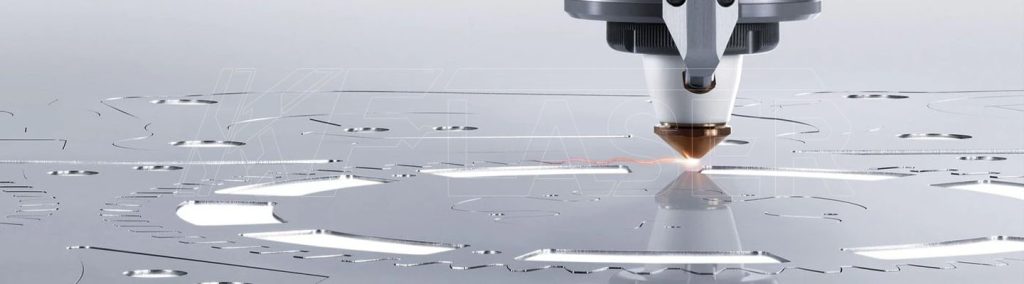
Heat Affected Zone (HAZ) Control: One common misconception about laser cutting is that it damages surrounding material through excessive heat. While it’s true that all thermal cutting methods produce some HAZ, modern thin metal laser cutting machines are engineered to minimize this. By using short, high-energy laser pulses (in pulsed mode) or adjusting the beam’s power density, operators can limit the HAZ to just a few micrometers—often smaller than the thickness of the material itself. This is particularly important for electronics manufacturing, where nearby components cannot withstand even minor thermal damage.
Materials and Applications: Where Thin Metal Laser Cutting Machine Shines
Thin metal laser cutting machine technology isn’t limited to one industry or material—it’s a versatile tool that adapts to a wide range of applications. Let’s explore some of the most impactful uses across sectors, highlighting how this technology solves unique challenges.
Electronics and Microelectronics: In the world of smartphones, tablets, and wearables, components are shrinking at an unprecedented rate. A typical smartphone motherboard contains hundreds of tiny metal contacts, shields, and connectors, many of which are cut from thin copper or nickel sheets. Laser cutting ensures these parts are precise enough to fit within millimeter-scale spaces while maintaining electrical conductivity. For example, the metal mesh used in smartphone speakers—often thinner than 0.1 mm—is laser-cut to ensure uniform hole sizes, which directly affects sound quality. Without laser precision, these components would either fail to function or be prohibitively expensive to produce.
Aerospace and Automotive: Weight reduction is a top priority in aerospace and automotive design, driving the use of thin, high-strength metals like aluminum alloys and titanium. Laser cutting machines are used to fabricate everything from aircraft wing ribs (cut from thin aluminum sheets) to automotive fuel injector nozzles (precision-cut from stainless steel). In Formula 1 racing, where every gram counts, teams use laser cutting to create ultra-lightweight chassis components from thin titanium sheets, ensuring strength without excess weight. The ability to cut complex, aerodynamic shapes with minimal waste is a game-changer in these high-performance industries.
Medical Devices: The medical field demands the highest standards of precision and cleanliness, and thin metal laser cutting machine technology delivers on both. Surgical instruments like scalpels, forceps, and endoscope components are often cut from thin stainless steel or titanium sheets, requiring edges sharp enough to cut tissue yet smooth enough to avoid irritation. Laser cutting leaves no burrs or rough edges, eliminating the need for secondary finishing processes that could introduce contaminants. Additionally, the technology is used to create implantable devices such as stents—tiny, expandable tubes used to treat blocked arteries. Stents are typically cut from thin nickel-titanium (Nitinol) sheets, and their intricate mesh patterns must be precise to ensure they expand evenly without fracturing. Laser cutting is the only method capable of achieving this level of detail in such a delicate material.
Art and Architecture: Beyond industrial applications, thin metal laser cutting machine technology has opened new avenues for artistic expression. Artists and architects now use lasers to cut intricate patterns into thin metals like brass, copper, or steel, creating decorative panels, sculptures, and even building facades. For example, the exterior of the Burj Khalifa in Dubai features laser-cut aluminum cladding with geometric patterns inspired by Islamic architecture—each panel precisely cut to reflect light in specific ways, reducing solar heat gain while adding visual interest. This blend of function and artistry is only possible with the precision of laser cutting.
Choosing the Right Thin Metal Laser Cutting Machine: Key Considerations
Investing in a thin metal laser cutting machine is a significant decision, and selecting the right system requires careful evaluation of your specific needs. Here are the critical factors to consider before making a purchase:
Laser Source Type: The two primary laser sources for thin metal cutting are fiber lasers and CO2 lasers. Fiber lasers are generally preferred for metals due to their higher efficiency, better beam quality, and lower operating costs. They work well with conductive metals like steel, aluminum, and copper. CO2 lasers, while less efficient for metals, are better suited for non-metallic materials like plastics or wood. For thin metals, a fiber laser with a power range of 500W to 2000W is typically sufficient; higher power (3000W+) may be needed for thicker sheets, but excessive power can increase HAZ on thin materials, so balance is key.
Bed Size and Work Area: The machine’s bed size determines the maximum sheet size it can handle. For small workshops or prototyping, a compact bed (e.g., 300mm x 300mm) may suffice, while large-scale production facilities require beds up to 3000mm x 1500mm or larger. It’s important to choose a bed size that matches your typical workpiece dimensions to avoid wasting time on multiple setups.
Cutting Speed and Accuracy: Look for machines with quoted cutting speeds specific to thin metals (e.g., 1 mm stainless steel). Speed is often measured in inches per minute (IPM) or meters per minute (m/min), but remember that faster isn’t always better—accuracy should never be sacrificed for speed. Check the machine’s positioning accuracy (typically ±0.01 mm) and repeatability (±0.005 mm) to ensure consistent results across batches.
Software and Usability: The machine’s control software is the interface between your designs and the laser. Look for intuitive software that supports common CAD formats (DXF, AI, SVG) and offers features like nesting (to minimize waste), material database presets (for different metals and thicknesses), and real-time simulation. A steep learning curve can slow down production, so user-friendly software is critical, especially for small businesses without dedicated laser operators.
Maintenance and Support: Laser cutting machines are precision tools that require regular maintenance, including lens cleaning, mirror alignment, and fiber optic cable checks. Choose a manufacturer with a strong reputation for reliability and responsive customer support, ideally offering on-site service or training. Consider the cost of replacement parts, such as lenses or assist gas nozzles, as these can add to long-term operating expenses.
Future Trends: What’s Next for Thin Metal Laser Cutting Machine Technology?
As technology advances, thin metal laser cutting machine systems are poised to become even more powerful, efficient, and accessible. Here are three emerging trends that will shape the industry in the coming years:
Increased Automation and Industry 4.0 Integration: The rise of smart manufacturing (Industry 4.0) is driving demand for laser machines that can integrate with other production systems. Future machines will feature sensors that monitor cutting quality in real-time, automatically adjusting parameters like power or speed if inconsistencies are detected. They will also connect to cloud-based platforms, allowing operators to monitor production remotely, analyze data to optimize efficiency, and even predict maintenance needs before breakdowns occur. This level of automation will reduce reliance on manual labor and minimize production downtime.
Green Technology and Sustainability: As manufacturers face growing pressure to reduce their environmental footprint, thin metal laser cutting machine systems are evolving to be more energy-efficient. Next-generation fiber lasers already use up to 50% less electricity than older models, and advances in assist gas recycling systems will further reduce waste. Additionally, the ability to nest parts tightly and minimize scrap will make laser cutting an even more sustainable alternative to traditional methods, aligning with global efforts to reduce industrial waste.
Higher Power, Smaller Footprint: While current fiber lasers are efficient, researchers are developing new laser sources with even higher power densities in smaller packages. This will allow for more compact machines that can fit into tighter workshop spaces while maintaining or exceeding current cutting speeds. For example, diode-pumped solid-state (DPSS) lasers are emerging as a potential alternative to fiber lasers, offering higher beam quality and lower heat generation, which could further reduce HAZ in thin metal applications.
Integration with Additive Manufacturing: The combination of laser cutting and 3D printing (additive manufacturing) is opening new possibilities for hybrid production. Imagine a machine that can laser-cut thin metal sheets into precise shapes, then 3D-print additional features onto those sheets—all in one seamless process. This hybrid approach would allow for the creation of complex, multi-layered components that are both lightweight and strong, with applications in aerospace, medical devices, and beyond.
The thin metal laser cutting machine is more than just a tool—it’s a catalyst for innovation, enabling manufacturers, designers, and creators to push the boundaries of what’s possible. From the microchips in our phones to the wings of our airplanes, from life-saving medical devices to stunning architectural feats, this technology touches nearly every aspect of modern life. As it continues to evolve, we can expect even greater precision, efficiency, and accessibility, making once-impossible designs a reality for generations to come.
For businesses considering investing in a thin metal laser cutting machine, the message is clear: this isn’t just a purchase—it’s an investment in the future of manufacturing. By embracing this technology, you’re not only improving your production capabilities but also positioning yourself at the forefront of an industry that thrives on innovation. And for the curious minds and problem-solvers out there, the possibilities are endless. What will you create with the power of the laser? The only limit is your imagination.
Top Stories
Product Categories
- Metal Laser Cutter
- Laser Welder Machine
- Laser Cleaner Machine
- Laser Marker Machine
- Press Brake Machine