News
Unveiling the World of Cutters for Steel: Types, Selection, and Maintenance
Introduction
In the vast realm of metalworking and manufacturing, cutters for steel play a pivotal role. Whether it’s in the construction of towering skyscrapers, the production of high – performance automobiles, or the creation of intricate machinery parts, these cutting tools are essential. Steel, known for its strength, durability, and versatility, requires specialized cutters to shape, trim, and machine it effectively. This article delves deep into the world of cutters for steel, exploring their various types, how to select the right one for different applications, and the importance of proper maintenance to ensure their longevity and optimal performance.
Types of Cutters for Steel
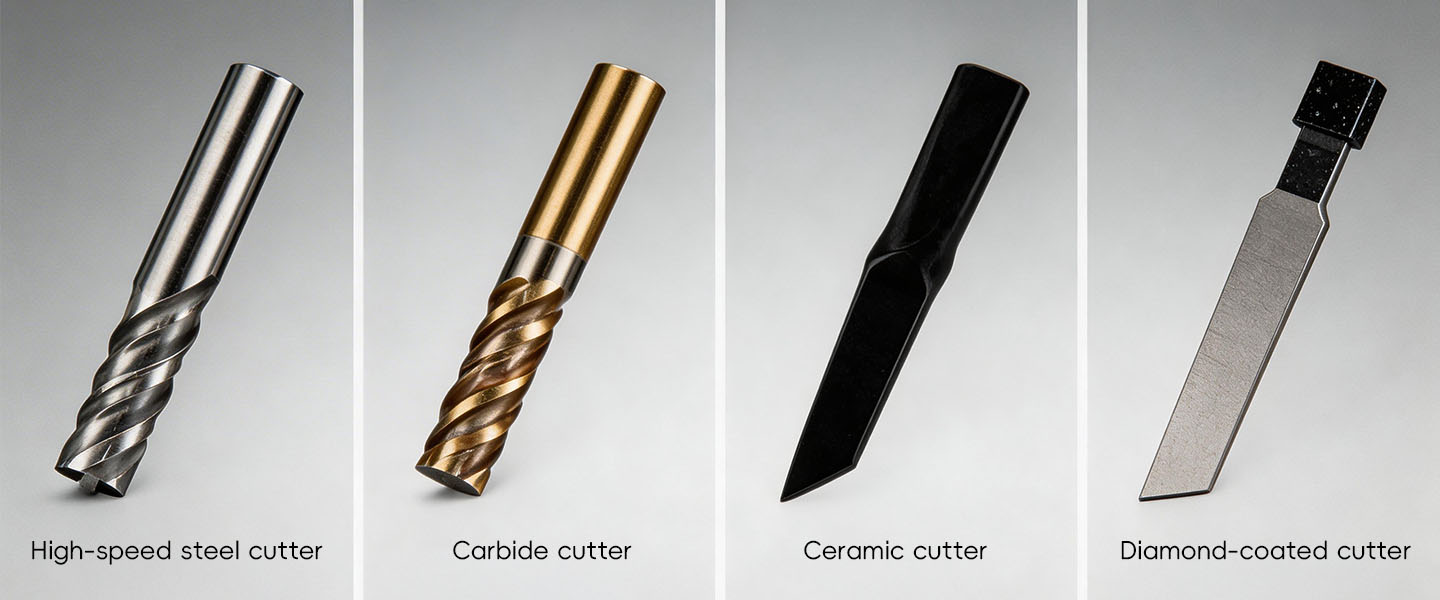
High – Speed Steel (HSS) Cutters
High – speed steel cutters have been a staple in the metalworking industry for a long time. They are made from an alloy of iron, carbon, and other elements such as tungsten, molybdenum, chromium, and vanadium. One of the key advantages of HSS cutters is their relatively high resistance to heat. They can operate at elevated temperatures without losing their hardness and cutting ability as quickly as some other materials. This allows them to be used in a wide range of cutting operations, including milling, drilling, and turning.
For example, in a small – scale machine shop that produces custom – made steel parts for the automotive aftermarket, HSS end mills are often used to mill slots and contours in steel components. The ability of HSS cutters to maintain their edge during continuous cutting operations makes them suitable for jobs that require precision and consistency. However, HSS cutters do have their limitations. They are not as hard as some of the more advanced cutting materials, such as carbide, and thus may not be the best choice for high – volume production or for cutting very hard steels.
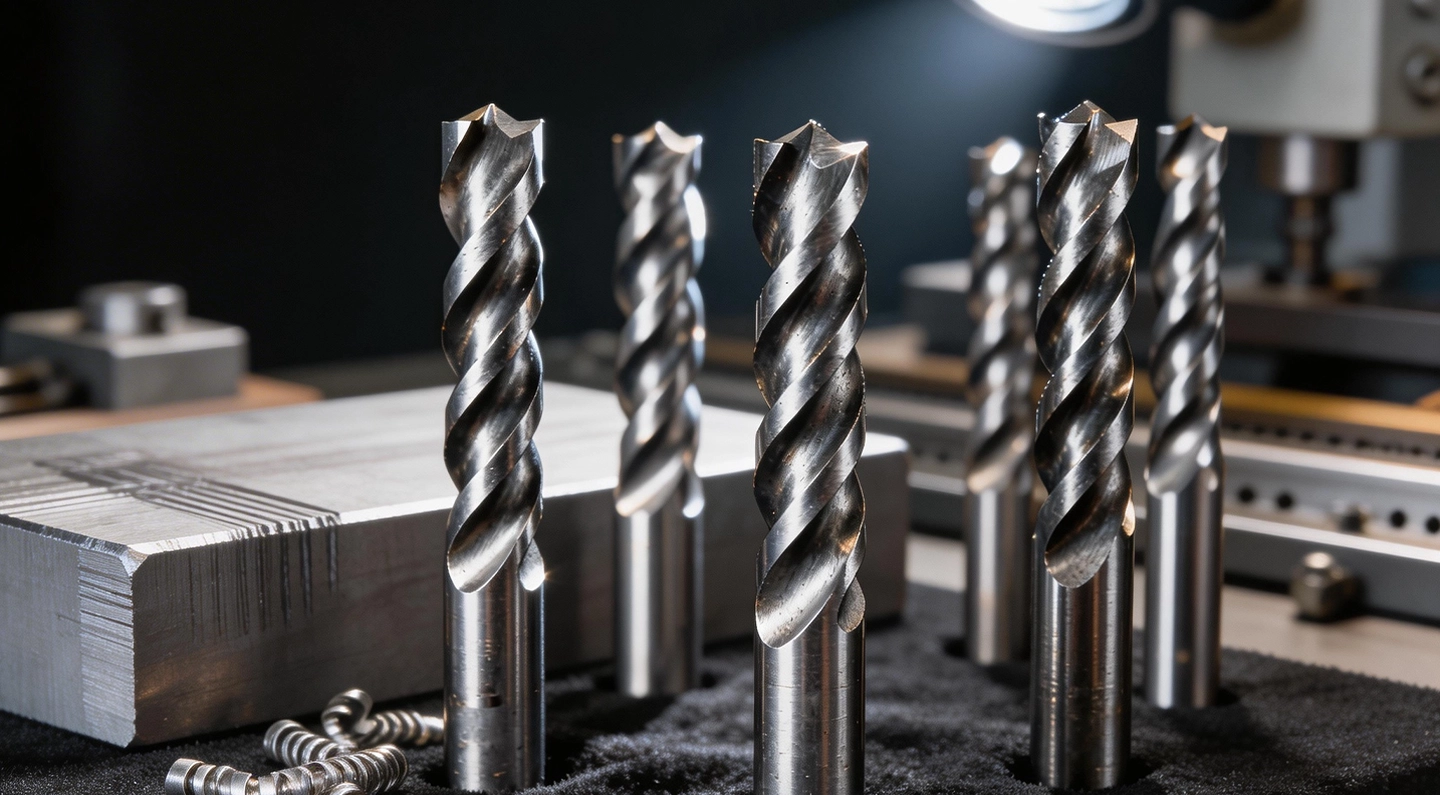
Carbide Cutters
Carbide cutters have revolutionized the steel – cutting landscape. Carbide is a composite material made of tungsten carbide particles bonded together with a metal, usually cobalt. These cutters are extremely hard and wear – resistant, which gives them several advantages over HSS cutters.
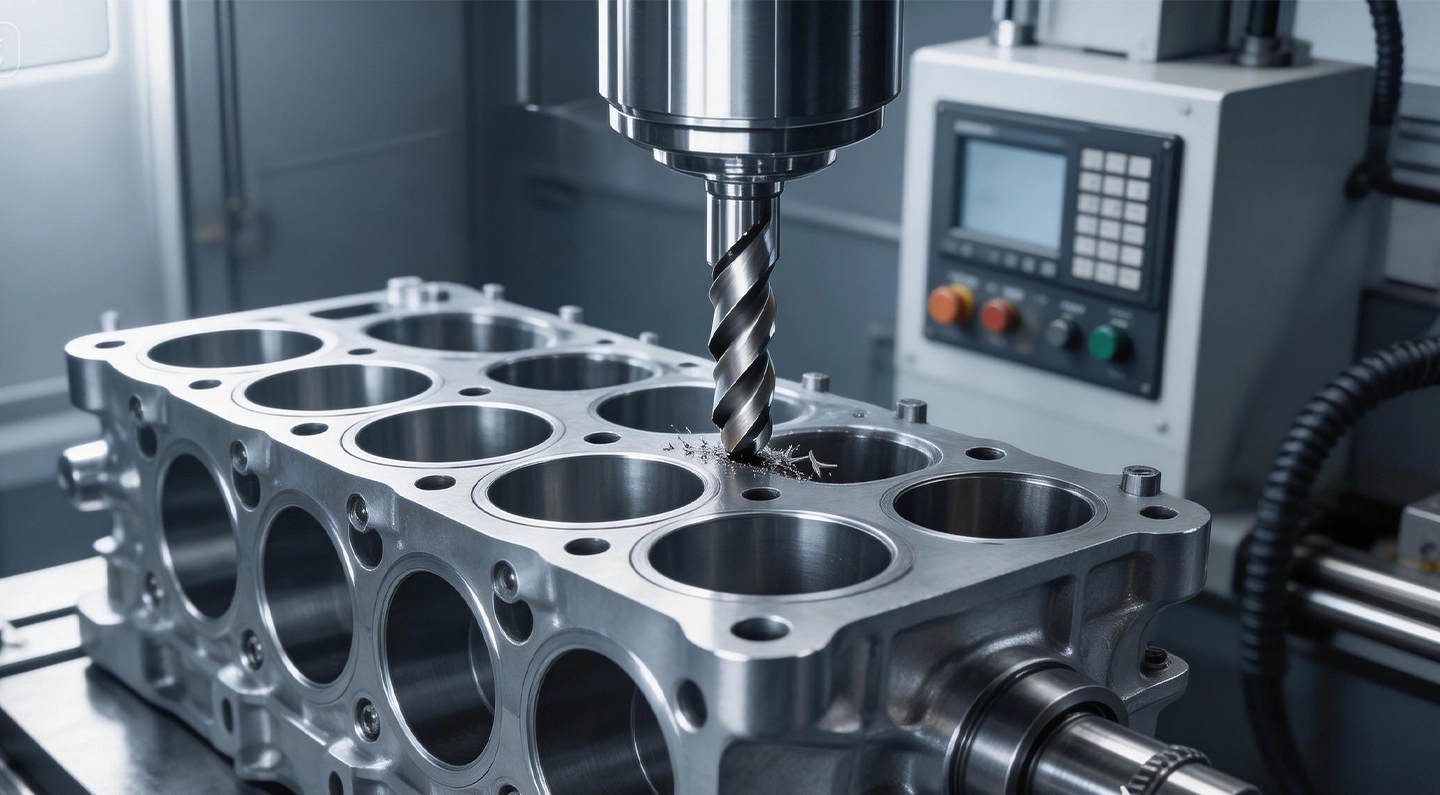
Carbide cutters can operate at much higher cutting speeds and feed rates. In a large – scale manufacturing plant that produces steel engine blocks for cars, carbide milling cutters are used to machine the complex shapes of the engine block’s cylinder heads. The high – speed operation of carbide cutters significantly reduces the machining time, increasing productivity. They also have a much longer tool life. A carbide drill bit can drill many more holes in steel before it needs to be replaced compared to an HSS drill bit. However, carbide cutters are more brittle than HSS cutters and are more prone to chipping or breaking if not used properly. They also tend to be more expensive, which can be a factor for smaller businesses with limited budgets.
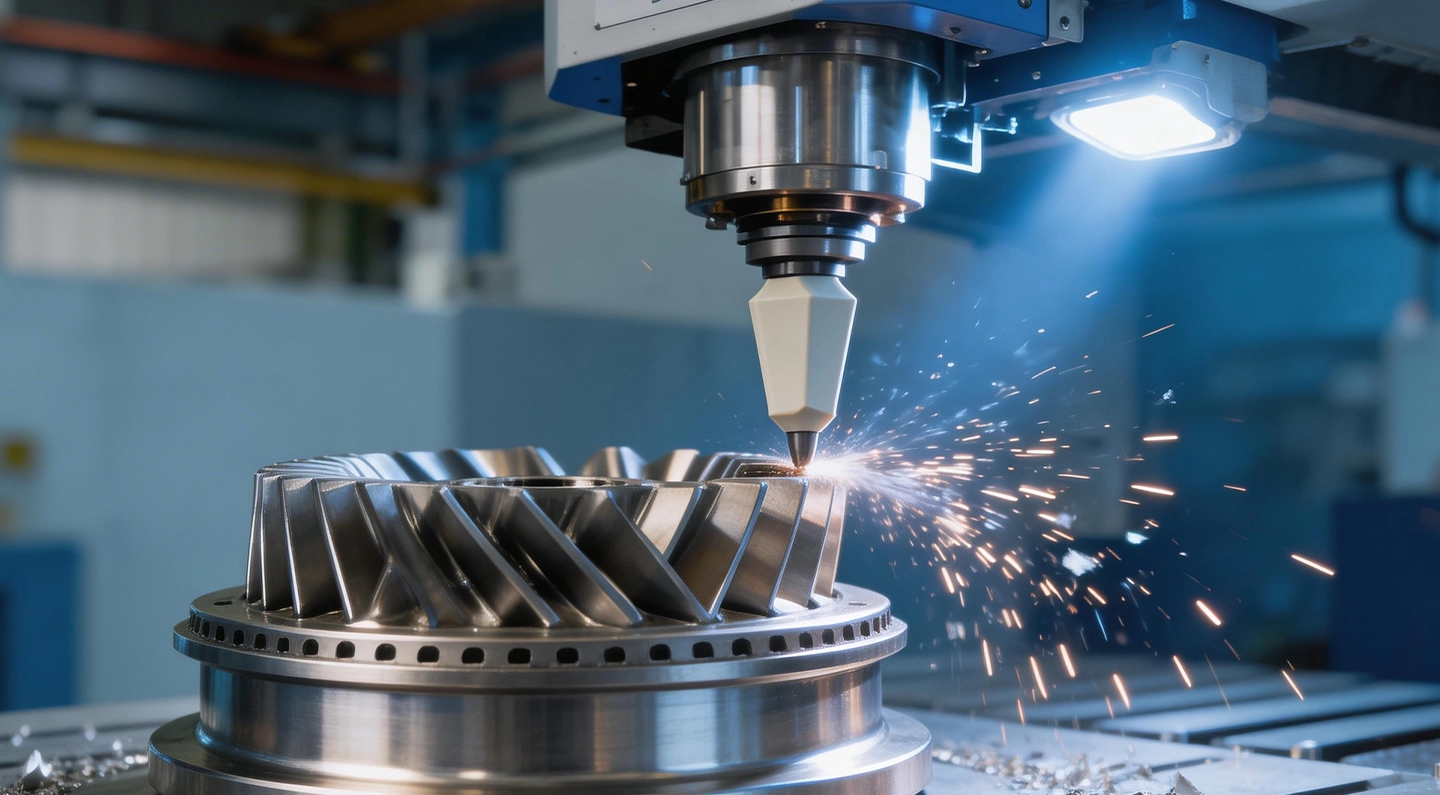
Ceramic Cutters
Ceramic cutters are another option for cutting steel. Ceramics are made from inorganic, non – metallic materials such as aluminum oxide or silicon nitride. These cutters are known for their high hardness, even at elevated temperatures. They can cut steel with a very high surface finish, making them ideal for applications where precision and aesthetics are important.
In the aerospace industry, where parts made of high – strength steel need to be machined to tight tolerances, ceramic cutting tools are often used. For instance, when machining the steel components of aircraft engines, ceramic end mills can produce a smooth surface finish that is crucial for the proper functioning of the engine. Ceramic cutters can also withstand higher cutting temperatures than carbide cutters, allowing for even higher cutting speeds in some cases. But they are extremely brittle and require very careful handling and precise machining conditions. A small vibration or incorrect cutting parameters can cause the ceramic cutter to shatter.
Diamond – Coated Cutters
Diamond – coated cutters are becoming increasingly popular for cutting steel, especially in high – precision and high – performance applications. Diamond is the hardest known natural material, and coating a cutter with diamond significantly enhances its cutting performance.
These cutters are excellent for cutting hardened steels and can achieve very high cutting speeds. In the production of high – speed steel gears, diamond – coated milling cutters can machine the teeth of the gears with great precision and at high speeds. The diamond coating also provides excellent wear resistance, extending the tool life. However, diamond – coated cutters are very expensive, and their use is often limited to applications where the high cost can be justified by the quality and efficiency improvements they bring.
Factors to Consider When Selecting a Cutter for Steel
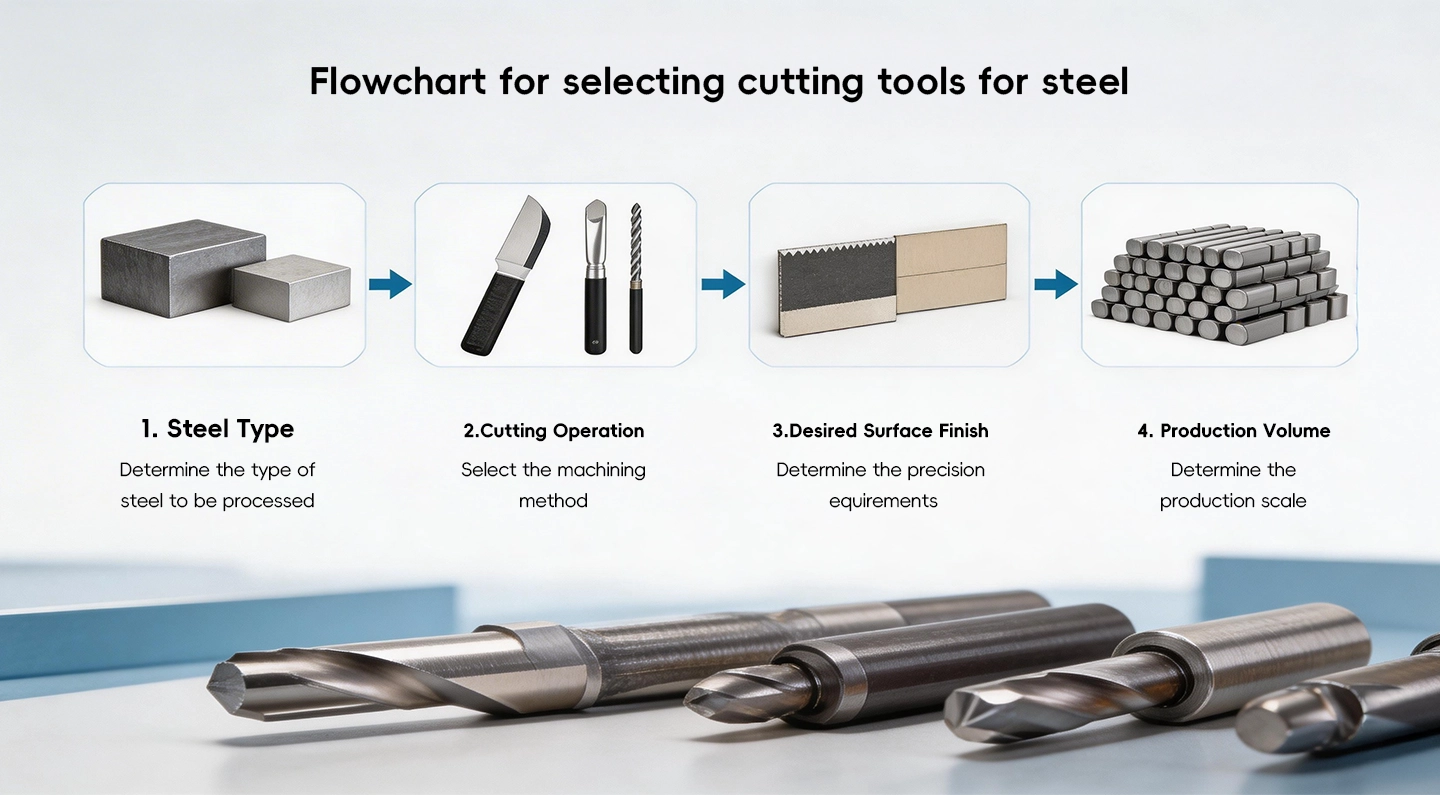
Type of Steel
There are numerous types of steel, each with its own unique properties. Mild steel, for example, is relatively soft and easy to cut compared to high – carbon steel or alloy steels. When cutting mild steel, HSS cutters can often be used effectively. They can provide a good balance between cost and performance. On the other hand, when dealing with high – strength alloy steels, such as those used in the construction of bridges or heavy – duty machinery, carbide or ceramic cutters may be more suitable. These harder – cutting materials can handle the toughness of the alloy steel without wearing out too quickly. Stainless steel, with its corrosion – resistant properties, also requires special consideration. It has a tendency to work – harden during cutting, which can cause problems for some cutters. Carbide cutters are often the preferred choice for stainless steel cutting as they can better withstand the work – hardening effect.
Cutting Operation
The type of cutting operation also plays a crucial role in cutter selection. For drilling operations in steel, drill bits made of HSS are commonly used for general – purpose applications. They are relatively inexpensive and can drill holes of various sizes in different types of steel. However, for high – volume drilling or for drilling in hard steels, carbide – tipped drill bits may be a better option. In milling operations, end mills are the go – to cutters. If the milling involves creating shallow grooves or making light cuts in soft steel, HSS end mills can be sufficient. But for heavy – duty milling of hard steels or for high – precision milling operations, carbide end mills are more appropriate. Turning operations, where a workpiece rotates while a cutting tool removes material, also require careful cutter selection. Depending on the material of the workpiece (steel type) and the required surface finish, different types of turning tools, such as HSS or carbide inserts, can be chosen.
Desired Surface Finish
The desired surface finish of the cut steel component is another important factor. If a rough surface finish is acceptable, such as in some construction – related steel fabrication where the focus is on structural integrity rather than aesthetics, less expensive cutters like HSS can be used. However, in applications where a smooth surface finish is essential, such as in the production of steel parts for optical equipment or medical devices, carbide or ceramic cutters are more likely to be used. These cutters can achieve much finer surface finishes due to their hardness and ability to cut more precisely. For example, a carbide – tipped boring tool can produce a much smoother inner diameter surface when boring a steel cylinder compared to an HSS boring tool.
Production Volume
For low – volume production, cost – effective cutters like HSS may be the best choice. They are relatively inexpensive, and even if they need to be replaced more frequently, the overall cost may still be manageable. In a small – scale artisanal metalworking shop that produces custom – made steel sculptures, HSS cutters can be used to shape the steel as the production volume is low, and the focus is on the artistic creation rather than high – speed production. But in high – volume production environments, such as an automotive manufacturing plant that produces thousands of steel parts every day, the longer tool life and higher cutting speeds of carbide or diamond – coated cutters can justify their higher cost. The increased productivity and reduced downtime due to less frequent cutter replacements can lead to significant cost savings in the long run.
Proper Maintenance of Cutters for Steel
Cleaning
Regular cleaning is essential for the longevity of cutters. After each use, cutters should be cleaned to remove any chips, debris, and coolant residues. Steel chips can get lodged in the flutes or grooves of the cutter, which can cause problems during the next cutting operation. These chips can interfere with the cutting process, leading to uneven cutting and potentially damaging the cutter. Using a soft – bristled brush and a suitable cleaning solvent, the cutter can be thoroughly cleaned. For example, a mild detergent solution can be used to clean HSS cutters, while for carbide cutters, a solvent that is compatible with the carbide material should be chosen. After cleaning, the cutter should be dried thoroughly to prevent rust and corrosion, especially in the case of HSS cutters.
Sharpening
As cutters are used, their cutting edges gradually wear down. Sharpening is necessary to restore the cutting efficiency of the cutter. HSS cutters can be sharpened using a grinding wheel. However, it’s important to use the correct grinding wheel and technique to avoid over – heating the cutter, which can reduce its hardness and cutting performance. Carbide cutters are more difficult to sharpen. Specialized carbide – grinding wheels and equipment are required. In some cases, it may be more cost – effective to send carbide cutters to a professional sharpening service. Regular sharpening not only improves the cutting performance of the cutter but also extends its overall lifespan.
Storage
Proper storage of cutters is crucial to prevent damage. Cutters should be stored in a clean, dry environment. They should be placed in a tool rack or storage case that protects them from physical damage. HSS cutters are particularly vulnerable to rust, so they should be stored in a place with low humidity. If possible, applying a light coat of rust – preventive oil can further protect HSS cutters during storage. Carbide and ceramic cutters, while more resistant to rust, can still be damaged if they are knocked around or stored in a way that exposes them to excessive stress. For example, diamond – coated cutters should be stored carefully to avoid scratching the diamond coating, which would reduce their cutting performance.
Safety Considerations When Using Cutters for Steel
Protective Gear
When working with cutters for steel, wearing the appropriate protective gear is non – negotiable. Safety glasses are essential to protect the eyes from flying steel chips. These chips can be ejected at high speeds during the cutting process and can cause serious eye injuries. Gloves should also be worn to protect the hands from sharp edges and cuts. In addition, ear protection may be required, especially when using high – speed cutting equipment, as the noise generated during the cutting process can be harmful to the ears. For example, in a large – scale steel – machining factory, workers are required to wear full – face shields, heavy – duty gloves, and industrial – grade earplugs to ensure their safety.
Machine Safety
The cutting machines themselves must be properly maintained and operated according to safety guidelines. All safety guards should be in place and functioning correctly. For example, on a milling machine, the guards around the cutter spindle should be intact to prevent accidental contact with the rotating cutter. The machine’s emergency stop buttons should be easily accessible and tested regularly. Before starting any cutting operation, the operator should ensure that the workpiece is properly secured. A loose workpiece can move during cutting, which can cause the cutter to break or the workpiece to be ejected from the machine, posing a serious safety hazard.
Applications of Cutters for Steel in Different Industries
Construction Industry
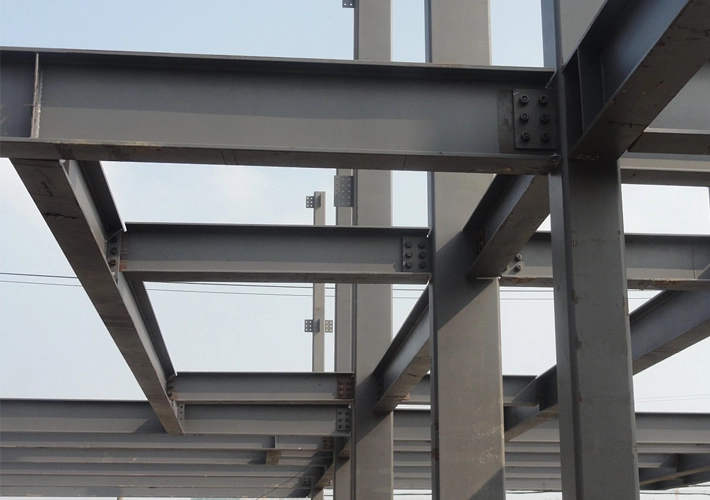
In the construction industry, cutters for steel are used in a variety of ways. Steel beams and columns need to be cut to the correct lengths and shapes for building structures. HSS saw blades are often used to cut mild – steel beams on construction sites. These saw blades are relatively easy to handle and can be used with portable power saws. Carbide – tipped saw blades may be used for cutting thicker or more hardened steel components, such as those used in high – rise buildings or large – scale infrastructure projects. Cutters are also used to create holes in steel plates for bolting and connection purposes. Drills and hole – saws, made of either HSS or carbide, are employed for this task.
Automotive Industry
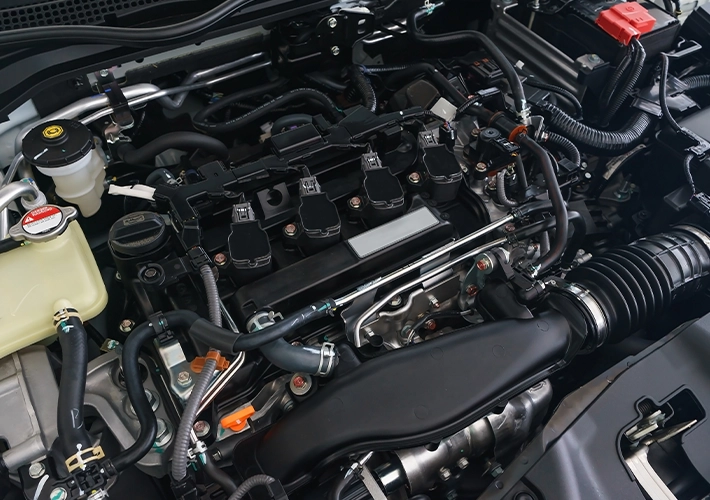
The automotive industry relies heavily on cutters for steel. In the production of car bodies, steel sheets are cut into various shapes using laser – cutting machines or high – speed shearing equipment. These processes require extremely precise cutting to ensure a perfect fit of the body panels. In the manufacturing of engine components, such as crankshafts and camshafts, carbide and ceramic cutters are used to machine the complex shapes and achieve the high – precision tolerances required for the engine’s smooth operation. The high – volume production nature of the automotive industry demands cutters that can operate at high speeds and have a long tool life to keep up with the production demands.
Aerospace Industry
In the aerospace industry, where the highest standards of quality and precision are required, cutters for steel play a critical role. High – strength steel components used in aircraft structures and engines need to be machined with extreme accuracy. Ceramic and diamond – coated cutters are often used due to their ability to cut hard steels precisely and achieve excellent surface finishes. For example, when machining the steel parts of an aircraft’s landing gear, which must withstand high stress during take – off and landing, diamond – coated end mills can be used to machine the complex shapes of the gear components to the tight tolerances required for safe operation.

New Trends and Innovations in Cutters for Steel
Nanocomposite Cutting Materials
There is ongoing research and development in the field of nanocomposite cutting materials. These materials combine the advantages of different materials at the nanoscale level. For example, nanocomposite coatings on cutters can provide enhanced hardness, wear resistance, and heat resistance. Some nanocomposite – coated carbide cutters have shown promising results in cutting high – strength steels, allowing for even higher cutting speeds and longer tool life compared to traditional carbide cutters. These new materials have the potential to revolutionize the steel – cutting industry by improving productivity and reducing production costs.
Smart Cutters
The concept of smart cutters is emerging. These cutters are equipped with sensors that can monitor various parameters during the cutting process, such as cutting force, temperature, and tool wear. The data collected by these sensors can be used to optimize the cutting process in real – time. For example, if the sensor detects that the cutting force is increasing due to tool wear, the machine can automatically adjust the cutting parameters, such as reducing the feed rate, to prevent tool breakage and ensure a consistent cut quality. Smart cutters have the potential to improve the efficiency and reliability of steel – cutting operations, especially in high – volume and high – precision manufacturing environments.
Conclusion
Cutters for steel are diverse in types, and each type has its own characteristics and applications. Selecting the right cutter based on factors like steel type, cutting operation, surface finish requirements, and production volume is crucial for efficient and cost – effective steel machining. Proper maintenance, safety considerations, and staying updated with the latest trends and innovations in cutter technology are essential for anyone involved in the steel – cutting industry, whether it’s a small – scale metalworker or a large – scale manufacturing enterprise.

Top Stories
Product Categories
- Metal Laser Cutter
- Laser Welder Machine
- Laser Cleaner Machine
- Laser Marker Machine
- Press Brake Machine