News
CNC Laser for Metal | Precision Cutting
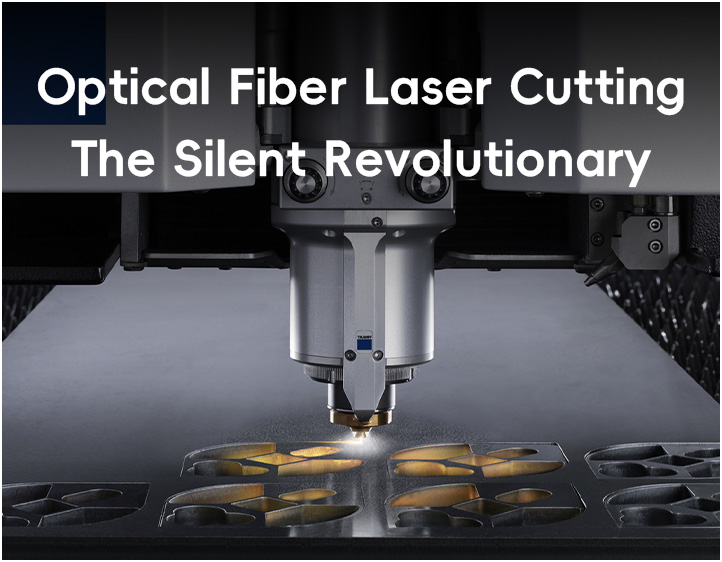
In the heart of modern manufacturing, where precision meets productivity, one technology stands as a silent revolution: cnc laser for metal. It carves through steel like a sculptor through marble, etches intricate patterns into aluminum with the delicacy of a calligrapher’s pen, and shapes titanium with the force of a industrial giant—all while maintaining tolerances so tight they rival the width of a human hair. For engineers, fabricators, and innovators, it is not merely a tool but a gateway to possibilities once deemed impossible. From aerospace components that defy gravity to medical implants that save lives, cnc laser for metal has redefined what it means to create with metal. Yet, behind its seamless operation lies a complex interplay of physics, engineering, and cutting-edge software—a world where light becomes a blade, and data dictates perfection. This article peels back the curtain on cnc laser for metal, exploring its science, applications, and transformative impact on industries worldwide.
The Science of CNC Laser for Metal: How Light Cuts Through Steel
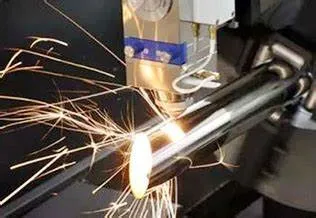
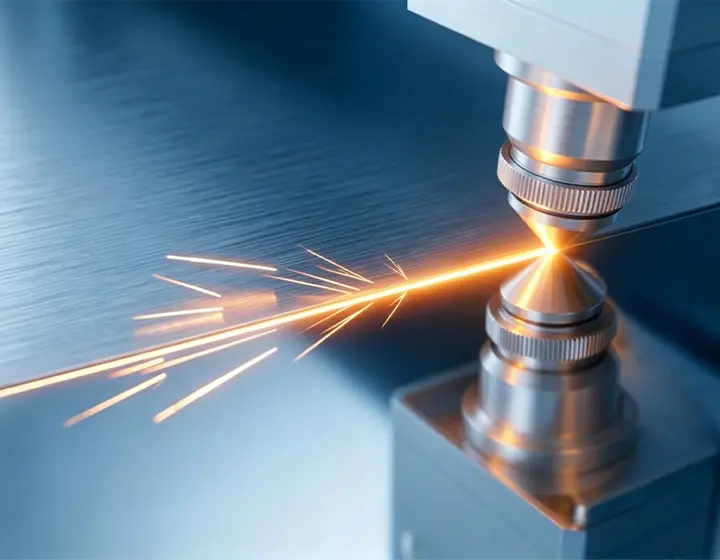
At its core, cnc laser for metal is a marriage of light amplification by stimulated emission of radiation (laser) and computer numerical control (CNC) precision. To understand its power, one must first grasp the physics of the laser beam itself. A typical CNC laser system generates a high-intensity beam of coherent light—meaning all photons travel in the same direction and phase—focused through a lens to a pinpoint diameter, often as small as 0.1mm. When this beam strikes metal, its energy is absorbed, converting to heat in a fraction of a millisecond. The result? The metal melts, vaporizes, or is blown away by a high-pressure gas jet, leaving a clean, precise cut.
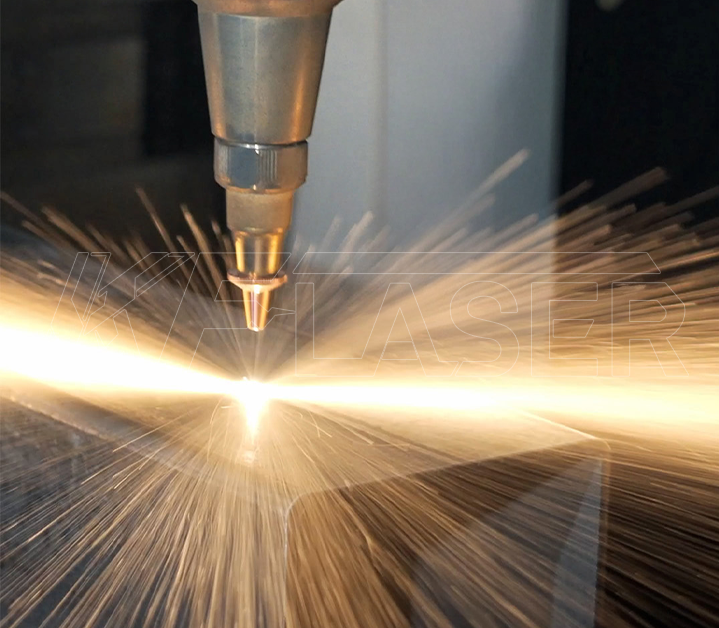
But not all lasers are created equal. For metal processing, three types dominate the industry: CO₂ lasers, fiber lasers, and Nd:YAG lasers. CO₂ lasers, operating at a wavelength of 10.6 micrometers, excel at cutting thick metals like stainless steel and carbon steel, thanks to their high power output (up to 40kW) and ability to generate a smooth edge. Fiber lasers, by contrast, use doped optical fibers to amplify light, delivering wavelengths around 1.06 micrometers—ideal for thin to medium-gauge metals such as aluminum and brass. Their efficiency (up to 30% compared to CO₂’s 10%) and lower maintenance costs have made them the go-to choice for high-volume production lines. Nd:YAG lasers, with wavelengths of 1.06 micrometers, are prized for their pulsed operation, which allows for precise drilling and marking without excessive heat buildup—critical for delicate components like medical instruments.
The CNC component elevates this technology from a mere cutting tool to a master of precision. A CNC controller interprets digital designs (CAD files) and translates them into a series of coordinates, guiding the laser head with sub-micrometer accuracy. This automation eliminates human error, ensures consistency across batches, and enables complex geometries that would be impossible with manual methods. Imagine a gear with 500 teeth, each requiring a tolerance of ±0.001mm—cnc laser for metal makes this not just possible, but routine.
Applications: Where CNC Laser for Metal Shapes Industries
The reach of cnc laser for metal spans industries, each leveraging its unique strengths to solve longstanding challenges. In aerospace, where safety and weight reduction are paramount, CNC lasers carve lightweight yet robust components for aircraft wings, engine parts, and landing gear. Titanium, a metal once considered too hard to machine efficiently, is now cut with ease, allowing engineers to design fuel-efficient, high-performance aircraft. A single Airbus A350, for example, contains over 10,000 laser-cut parts, from turbine blades to fuselage panels, each contributing to its 25% lower fuel consumption compared to older models.

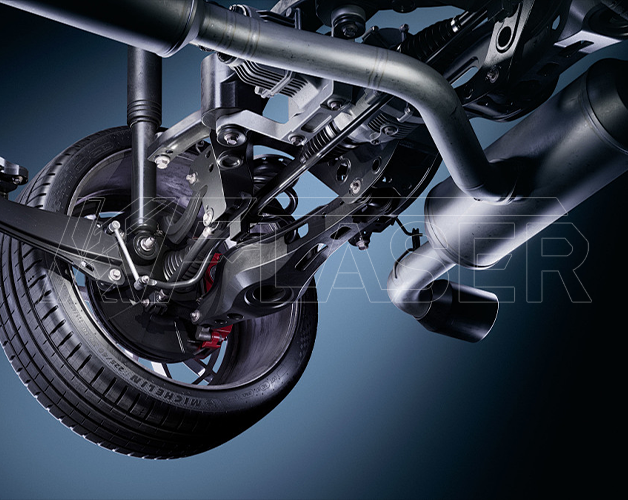
The automotive sector, too, has embraced cnc laser for metal as a catalyst for innovation. Traditional stamping presses, while effective for large-scale production, struggle with intricate designs and rapid prototyping. CNC lasers, however, thrive here. They cut door panels with integrated sensor slots, weld battery casings for electric vehicles with zero defects, and even texture surfaces to improve grip or aesthetics. In Formula 1 racing, where every gram counts, teams use CNC lasers to hollow out suspension components, reducing weight without sacrificing strength—a tweak that can shave milliseconds off lap times.
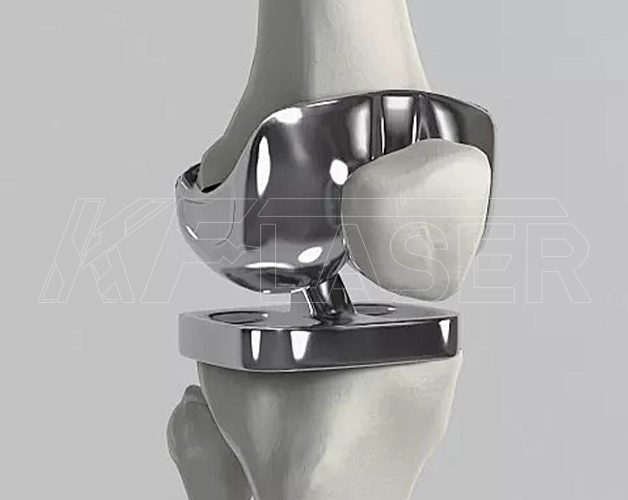
Beyond heavy industry, cnc laser for metal has found a home in the medical field, where precision is a matter of life and death. Orthopedic implants, such as hip replacements and spinal rods, require custom shapes to fit individual patients. CNC lasers carve these implants from biocompatible metals like titanium alloy, ensuring a perfect match to 3D scans of the patient’s anatomy. Similarly, surgical tools—scalpels, forceps, and endoscopes—are etched with microscale features to enhance grip or reduce tissue damage, all made possible by the laser’s ability to work at the micron level.

Even the art world has felt its impact. Sculptors now use CNC lasers to create large-scale metal installations that blend geometric precision with organic fluidity. A recent exhibition in Berlin featured a 12-meter-tall steel sculpture, its surface covered in thousands of laser-etched patterns, each varying in depth to create a dynamic play of light and shadow. The artist, once limited by manual tools, described the technology as “a brush that never tires, a chisel that never wavers.”
Advantages of CNC Laser for Metal: Why It Outperforms Traditional Methods
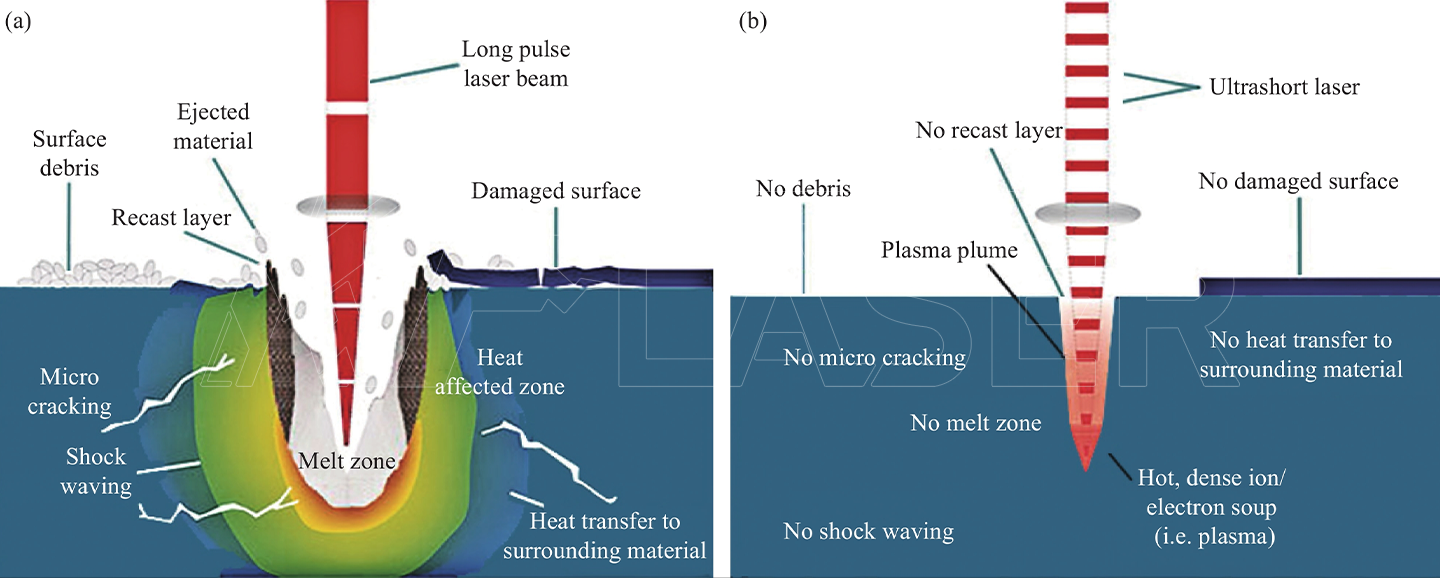
To appreciate the dominance of cnc laser for metal, one need only compare it to traditional metalworking techniques. Take plasma cutting, for instance: while effective for thick metals, it leaves a rough, heat-affected zone (HAZ) that requires secondary finishing. CNC laser cutting, by contrast, produces edges so clean they often need no post-processing, reducing labor costs and production time. A study by the Fabricators & Manufacturers Association (FMA) found that manufacturers using CNC lasers reported a 40% reduction in finishing time compared to plasma-cut parts.
Speed is another area where cnc laser for metal shines. A fiber laser can cut a 1mm thick steel sheet at speeds up to 50 meters per minute—faster than a bandsaw, waterjet, or punch press. This speed, combined with the ability to nest multiple parts on a single sheet, maximizes material utilization and minimizes waste. In an era where sustainability is a priority, this efficiency is not just economic but environmental: a typical CNC laser system reduces material waste by 15-20% compared to traditional methods, lowering carbon footprints and raw material costs.
Versatility is perhaps its most underrated strength. Unlike mechanical tools, which require custom dies or blades for each part, a CNC laser can switch between designs in seconds. A job shop in Chicago recently shared a case study: a client needed 100 custom brackets, each with a unique hole pattern. Using a CNC laser, the shop programmed the new design, loaded the metal sheet, and completed the order in under two hours. With a punch press, the same job would have taken days to set up and run.
Precision, of course, remains its hallmark. Modern CNC laser systems boast positional accuracy of ±0.001mm and repeatability of ±0.0005mm—capabilities that make them indispensable in industries like electronics, where components are measured in micrometers. A smartphone’s metal frame, for example, is often laser-cut to ensure the camera lens, buttons, and ports align perfectly with internal components. Without CNC laser precision, the seamless fit we take for granted would be impossible.
Innovations Shaping the Future of CNC Laser for Metal
As technology evolves, cnc laser for metal continues to push boundaries. One of the most exciting advancements is the integration of artificial intelligence (AI) and machine learning. AI-powered systems can now analyze real-time cutting data—such as beam intensity, gas pressure, and material thickness—to adjust parameters on the fly, optimizing for speed and precision. A pilot project by a leading laser manufacturer found that AI-enhanced CNC lasers reduced cutting errors by 35% and increased throughput by 20% compared to traditional systems.
Another breakthrough is the development of green lasers, which operate at a wavelength of 532nm. Unlike traditional infrared lasers, green lasers are absorbed more efficiently by copper and brass—metals that have long posed challenges for laser cutting due to their high reflectivity. This innovation has opened new doors in the electronics industry, where copper is widely used in circuit boards and heat sinks. A recent test by the Laser Institute of America (LIA) showed that a green laser cut 2mm copper sheet 50% faster than a fiber laser, with minimal HAZ.
Additive manufacturing, or 3D printing, is also merging with CNC laser technology to create hybrid systems. These machines can 3D print metal parts layer by layer, then use a CNC laser to trim, drill, or texture the surface—all in a single setup. This integration eliminates the need for multiple machines, reducing production time and improving part accuracy. A aerospace supplier in Texas used such a hybrid system to produce a fuel injector component, cutting lead time from 14 days to 3 days and reducing costs by 60%.

Sustainability is driving further innovation, with manufacturers developing lasers powered by renewable energy and systems that recycle cutting gases. A European Union-funded project recently unveiled a solar-powered CNC laser prototype that reduces carbon emissions by 70% compared to conventional models. While still in testing, it represents a step toward a future where manufacturing and environmental stewardship coexist.
Challenges and Limitations: Navigating the Boundaries of CNC Laser for Metal
For all its power, cnc laser for metal is not without limitations. One of the most significant is its cost: a high-end fiber laser system can cost upwards of $500,000, putting it out of reach for small businesses and startups. While used equipment offers a more affordable entry point, maintenance costs—including replacing lenses, mirrors, and laser sources—can add up over time. A survey by the Manufacturing Technology Insights found that 62% of small manufacturers cited “high initial investment” as the primary barrier to adopting CNC laser technology.
Thickness is another constraint. While CO₂ lasers can cut metals up to 30mm thick, the process becomes slower and less efficient as thickness increases. For metals thicker than 50mm, plasma cutting or waterjet cutting often remains the preferred choice. Additionally, reflective metals like aluminum and copper can bounce the laser beam back toward the source, damaging optics and posing safety risks. While modern systems include sensors to detect and mitigate reflections, operators must still exercise caution when working with these materials.
Skill gaps also pose a challenge. Operating a CNC laser requires expertise in programming, material science, and machine maintenance—skills that are in short supply in many regions. A report by the National Association of Manufacturers (NAM) predicts a shortage of 2.1 million manufacturing workers in the U.S. by 2030, with CNC operators among the most sought-after roles. To address this, technical schools and community colleges are partnering with manufacturers to offer hands-on training programs, but progress is slow.
Finally, there is the issue of energy consumption. While fiber lasers are more efficient than CO₂ lasers, they still require significant power to operate. A 10kW fiber laser consumes approximately 40kWh of electricity per hour—enough to power a small home for a day. For manufacturers in areas with high energy costs, this can eat into profit margins, offsetting some of the technology’s efficiency gains.
Choosing the Right CNC Laser for Metal: A Buyer’s Guide
For businesses ready to invest in cnc laser for metal, selecting the right system requires careful consideration of several factors. The first is material type and thickness: if your primary focus is thin-sheet aluminum, a fiber laser with 1-3kW power may suffice. For thick steel or titanium, a CO₂ laser with 6kW or more is likely necessary. It is also important to test the laser on your specific material, as alloys and coatings can affect cutting performance.
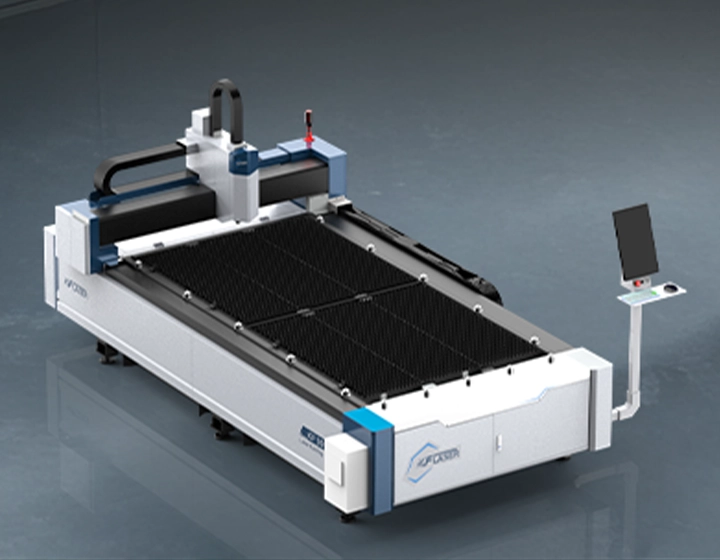
Next, workpiece size dictates the machine’s bed size. A small job shop processing parts under 1 meter may opt for a compact 1.5m x 3m bed, while a large manufacturer cutting full-size sheets will need a 3m x 6m or larger bed. Automation features like pallet changers and material loaders can further boost productivity by reducing downtime between jobs.
Software compatibility is often overlooked but critical. The CNC controller should integrate seamlessly with your existing CAD/CAM software, allowing for easy file transfer and programming. Look for systems with intuitive interfaces and offline programming capabilities, which enable operators to prepare jobs without tying up the machine.
After-sales support is another key consideration. Laser systems are complex machines, and downtime due to repairs can cost thousands of dollars per day. Choose a manufacturer with a global service network, 24/7 technical support, and a reputation for reliability. Reading reviews from current users and visiting trade shows to demo machines can provide valuable insights into real-world performance.
Finally, total cost of ownership (TCO) should guide your decision, not just the upfront price. Factor in maintenance costs, energy consumption, and the lifespan of critical components like the laser source (fiber lasers typically last 100,000 hours, while CO₂ lasers require gas replacements every 1,000-2,000 hours). A slightly more expensive machine with lower maintenance costs may prove more economical over time.
The Future of CNC Laser for Metal: Emerging Trends and Possibilities
As we look to the future, cnc laser for metal shows no signs of slowing down. One emerging trend is the miniaturization of laser systems, with manufacturers developing compact, desktop-sized CNC lasers for small businesses and hobbyists. These machines, priced under $10,000, open up new opportunities for customization and prototyping, empowering entrepreneurs to bring ideas to life without large-scale investment.
AI and machine learning will continue to play a larger role, with systems that can predict maintenance needs, optimize cutting parameters, and even self-correct errors in real time. Imagine a CNC laser that detects a worn lens and automatically adjusts the beam focus to compensate, or a system that learns from past jobs to reduce material waste by 10%—these scenarios are not far-fetched.
Quantum cascade lasers (QCLs), a new class of semiconductor lasers, could revolutionize metal processing with their ability to emit wavelengths in the mid-infrared range, where metals absorb light most efficiently. Early tests show QCLs can cut metals at speeds 30% faster than fiber lasers, with even smaller HAZ. While still in development, QCL-based CNC systems could hit the market within the next decade.
The integration of IoT (Internet of Things) technology will also transform how CNC lasers are monitored and managed. Smart lasers will collect data on performance, energy usage, and material waste, sending real-time alerts to operators and managers via cloud-based platforms. This data-driven approach will enable predictive maintenance, optimize production schedules, and provide insights for process improvement.
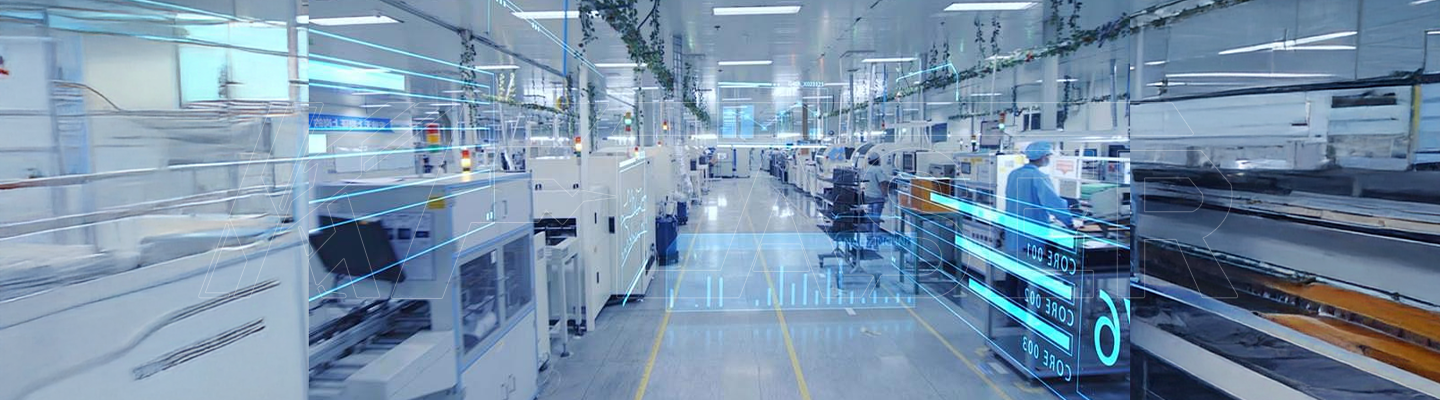
Training and Safety: Ensuring Success with CNC Laser for Metal
Behind every successful CNC laser operation lies a commitment to training and safety. Laser systems generate intense light, high temperatures, and toxic fumes—hazards that require rigorous protocols to mitigate. Operators must wear appropriate personal protective equipment (PPE), including laser safety glasses rated for the machine’s wavelength, flame-resistant gloves, and respiratory masks when cutting metals like galvanized steel, which releases zinc fumes.
Training programs should cover not only machine operation but also material science, programming, and troubleshooting. Many manufacturers offer certification courses, such as the Laser Institute of America’s (LIA) Certified Laser Safety Officer (CLSO) program, which teaches operators to identify risks and implement safety measures. Hands-on training is critical, with operators practicing on scrap material before moving to production parts.
Safety standards, such as those set by the Occupational Safety and Health Administration (OSHA) and the International Electrotechnical Commission (IEC), outline requirements for machine guarding, ventilation, and emergency stop systems. Enclosed cutting areas, interlock switches, and beam shutters prevent accidental exposure to the laser, while fume extraction systems remove harmful gases and particulates from the workspace.
Beyond safety, ongoing training ensures operators stay updated on new technologies and techniques. A manufacturer in Ohio recently invested in a training program for its CNC laser operators, sending them to annual conferences and workshops. Within a year, the company reported a 25% increase in productivity and a 50% reduction in errors, demonstrating the ROI of investing in human capital.
Conclusion
In the tapestry of modern manufacturing, cnc laser for metal is not just a thread but a bold, defining pattern. It bridges the gap between human ingenuity and technological precision, enabling us to build faster, stronger, and more intricate products than ever before. From the aerospace parts that carry us across oceans to the medical implants that save lives, its impact is felt in every corner of the globe.
As technology advances, the boundaries of what cnc laser for metal can achieve will continue to expand. With innovations in AI, green energy, and hybrid manufacturing, we stand on the cusp of a new era—one where lasers are not just tools, but partners in creation. For businesses willing to invest in this technology, the rewards are clear: increased productivity, reduced costs, and a competitive edge in a rapidly evolving market.
In the end, cnc laser for metal is more than a manufacturing process. It is a testament to human progress—a reminder that when we harness the power of light, there is no limit to what we can build.

Top Stories
Product Categories
- Metal Laser Cutter
- Laser Welder Machine
- Laser Cleaner Machine
- Laser Marker Machine
- Press Brake Machine