News
Unveiling the Wonders of Laser Pipe Cutting Machine: Revolutionizing Industrial Fabrication
In the fast – paced world of modern manufacturing and industrial fabrication, the laser pipe cutting machine has emerged as a game – changing technology. This sophisticated piece of equipment has transformed the way pipes are cut, offering a level of precision, efficiency, and versatility that was previously unattainable with traditional cutting methods.
I. Introduction
The demand for high – quality pipe cutting in various industries such as automotive, aerospace, construction, and furniture manufacturing has been on the rise. Pipes are used in a multitude of applications, from structural components in buildings to critical parts in engines. Traditional pipe – cutting methods, including sawing, plasma cutting, and oxy – fuel cutting, have their limitations. Sawing can be time – consuming and may cause material deformation, while plasma and oxy – fuel cutting might not offer the high precision required for certain applications. This is where laser pipe cutting machines step in.
II. How Laser Pipe Cutting Machines Work
- Laser Generation and Delivery
Laser pipe cutting machines operate on the principle of using a highly concentrated beam of light. The laser source, which can be a fiber laser, CO₂ laser, or other types, generates a coherent light beam. For fiber lasers, the laser light is produced by exciting rare – earth – doped optical fibers. This beam is then directed through a series of optical components, such as mirrors and lenses, to focus it onto the surface of the pipe.
- Material Interaction
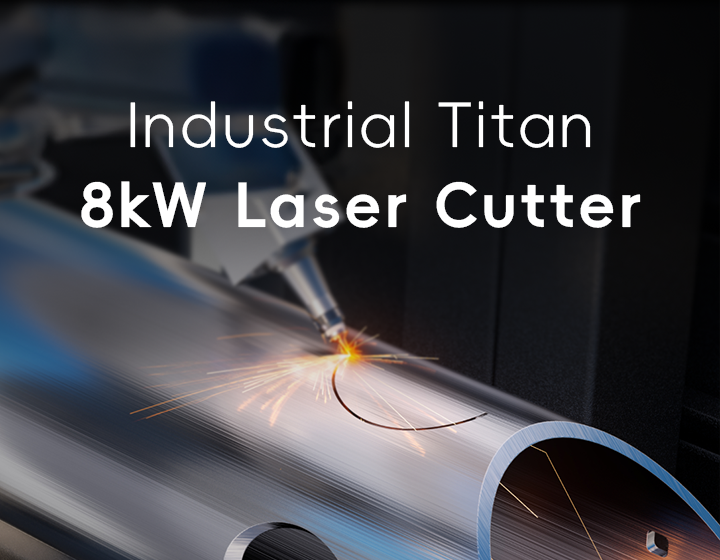
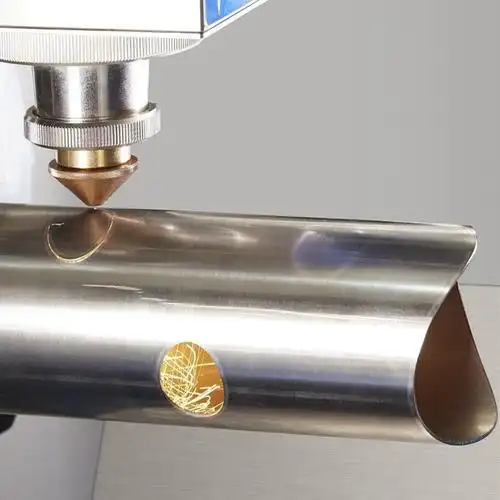
When the focused laser beam hits the pipe surface, the intense heat rapidly melts or vaporizes the material. The heat input is so precise that it can create a narrow kerf (the width of the cut). In the case of metal pipes, an assist gas, often oxygen, nitrogen, or compressed air, is introduced. The assist gas helps to expel the molten or vaporized material from the cut area, ensuring a clean and smooth cut. For example, when cutting mild steel pipes with oxygen as the assist gas, a chemical reaction occurs between the oxygen and the hot metal, further enhancing the cutting process.
III. Types of Laser Pipe Cutting Machines
- Three – Chuck Laser Pipe Cutting Machines
These machines are designed with three chucks that hold the pipe firmly in place during the cutting process. The three – chuck configuration allows for better stability and support, especially when cutting longer pipes. It is suitable for a wide range of pipe diameters and wall thicknesses. Three – chuck laser pipe cutting machines are often used in applications where medium – to – large – sized pipes need to be cut with high precision, such as in the construction of large – scale industrial structures.
- Four – Chuck Laser Pipe Cutting Machines
Featuring four chucks, these machines offer even greater stability and control. The additional chuck provides more points of contact with the pipe, reducing the likelihood of vibration or misalignment during cutting. Four – chuck laser pipe cutting machines are ideal for cutting complex shapes and profiles on pipes, as well as for applications that require extremely high precision, like in the aerospace industry for manufacturing components of aircraft engines or fuselages.
- Other Specialized Laser Pipe Cutting Machines
There are also some specialized laser pipe cutting machines tailored to specific applications. For instance, there are machines designed for cutting small – diameter pipes with ultra – high precision, which are commonly used in the medical device industry for manufacturing catheters or other tubular components. Some machines are also equipped with multi – axis capabilities, enabling them to cut pipes at various angles and create intricate 3D shapes.
IV. Applications of Laser Pipe Cutting Machines
1.Automotive Industry
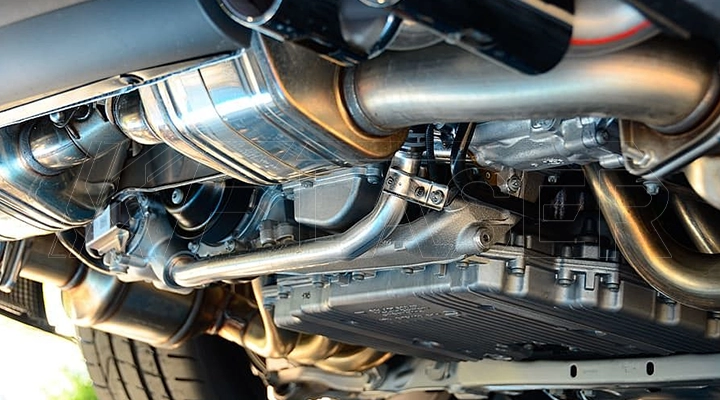
In the automotive sector, laser pipe cutting machines play a crucial role. They are used to cut pipes for exhaust systems, ensuring a perfect fit and precise dimensions. The high precision of laser cutting reduces the need for post – processing and helps in improving the overall performance of the exhaust system. Additionally, laser – cut pipes are used in the construction of vehicle chassis, where the light – weight yet strong tubular structures are essential for enhancing fuel efficiency and vehicle safety.
2.Aerospace Industry
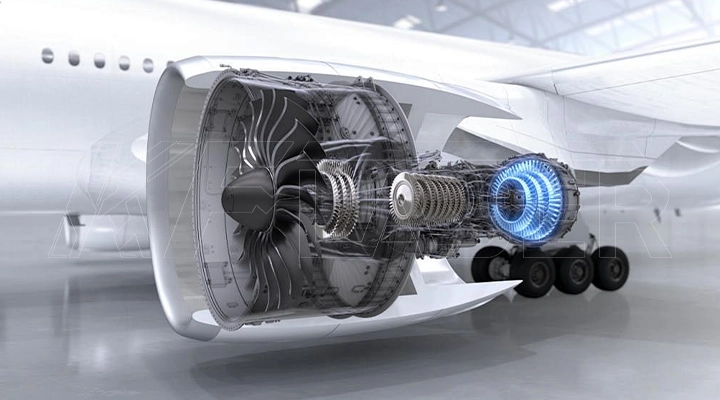
Aerospace manufacturing demands the highest level of precision and quality. Laser pipe cutting machines are used to fabricate components such as aircraft frames, engine parts, and fuel lines. The ability to cut complex shapes and profiles with tight tolerances makes laser cutting ideal for this industry. For example, the production of lightweight, high – strength titanium alloy pipes for aircraft engines requires the precision that only laser pipe cutting can provide.
3.Construction Industry
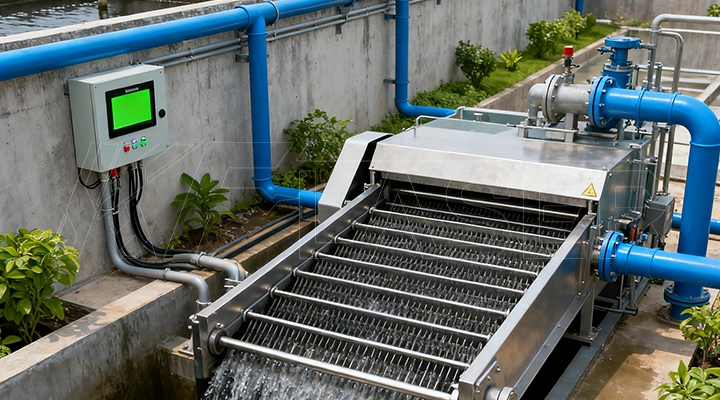
In construction, laser pipe cutting machines are used for a variety of applications. They can cut pipes for plumbing systems, ensuring accurate lengths and fittings. For structural applications, such as the construction of steel – framed buildings, laser – cut pipes are used to create the framework. The speed and precision of laser cutting allow for faster construction times and better – quality structures.

4.Furniture Manufacturing
Furniture manufacturers are increasingly turning to laser pipe cutting machines to create unique and stylish designs. The ability to cut pipes into custom shapes and sizes enables the production of modern and ergonomic furniture pieces. Whether it’s creating the frames for chairs, tables, or beds, laser – cut pipes offer a clean and professional finish.
V. Advantages of Laser Pipe Cutting Machines
- High Precision
Laser pipe cutting machines can achieve extremely high precision, with tolerances as low as ±0.05mm. This level of precision is far beyond what traditional cutting methods can offer. The high – precision cuts result in less material waste and better – fitting components, reducing the need for rework and post – processing.
- Fast Cutting Speed
Compared to many traditional cutting methods, laser pipe cutting is much faster. The high – energy laser beam can quickly melt or vaporize the material, allowing for rapid cutting. This increased speed not only improves productivity but also reduces production costs, especially in high – volume manufacturing environments.
- Versatility
These machines can cut a wide range of materials, including various metals such as steel, aluminum, and titanium, as well as non – metallic materials like plastic and wood. They can also handle different pipe shapes, including round, square, rectangular, and custom – shaped pipes. This versatility makes laser pipe cutting machines suitable for a diverse range of industries.
- Minimal Heat – Affected Zone (HAZ)
The heat input during laser cutting is highly concentrated and of short duration. As a result, the heat – affected zone on the pipe is minimal. This is important, especially for materials that are sensitive to heat, as it helps to maintain the material’s mechanical properties and integrity.
VI. Challenges and Limitations
- High Initial Cost
The purchase price of a laser pipe cutting machine is relatively high compared to traditional cutting equipment. This includes the cost of the laser source, optical components, and the overall machine structure. Additionally, the cost of maintenance and replacement of components, such as laser diodes, can also be significant.
- Material Limitations
Although laser cutting is effective for many materials, it can face challenges when cutting certain materials. For example, cutting thick, highly reflective materials like pure copper or brass can be difficult because the laser beam may be reflected back, causing damage to the laser source. Also, some materials with high melting points and complex chemical compositions may not be easily cut with laser technology.
- Technical Requirements
Operating a laser pipe cutting machine requires a certain level of technical expertise. The operator needs to be familiar with the machine’s settings, such as laser power, cutting speed, and assist gas flow rate. Incorrect settings can lead to poor – quality cuts or damage to the machine.
VII. Market Trends and Future Developments
- Increasing Adoption in Emerging Economies
As emerging economies like China, India, and Brazil continue to experience rapid industrial growth, the demand for laser pipe cutting machines is expected to rise. These countries are investing heavily in infrastructure development, automotive manufacturing, and other industries that require high – quality pipe cutting.
- Advancements in Laser Technology
Research and development in laser technology are ongoing. Newer laser sources with higher power and better beam quality are being developed, which will further improve the cutting performance of laser pipe cutting machines. For example, the development of ultrafast lasers may enable even more precise and efficient cutting of difficult – to – machine materials.
- Integration with Automation and Smart Manufacturing
Laser pipe cutting machines are increasingly being integrated with automation systems and smart manufacturing technologies. This includes the use of robotics for loading and unloading pipes, as well as the implementation of Internet of Things (IoT) sensors to monitor the machine’s performance and optimize the cutting process.
In conclusion, the laser pipe cutting machine has become an indispensable tool in modern industrial fabrication. Its high precision, fast cutting speed, and versatility make it a preferred choice for a wide range of industries. While it faces some challenges, the continuous advancements in technology and the growing market demand are likely to drive its further development and adoption in the coming years. As industries strive for greater efficiency and quality in their manufacturing processes, the laser pipe cutting machine will undoubtedly play a key role in shaping the future of fabrication.

Top Stories
Product Categories
- Metal Laser Cutter
- Laser Welder Machine
- Laser Cleaner Machine
- Laser Marker Machine
- Press Brake Machine