News
Laser Pipe Cutting Machines
I. Introduction
In the dynamic landscape of modern manufacturing, technological advancements are continuously reshaping the way industries operate. Among these revolutionary technologies, the laser pipe cutting machine has emerged as a vital tool, driving efficiency, precision, and innovation across multiple sectors. This article aims to provide an in – depth exploration of laser pipe cutting machines, from their fundamental working principles to their wide – ranging applications, advantages, challenges, and future prospects.
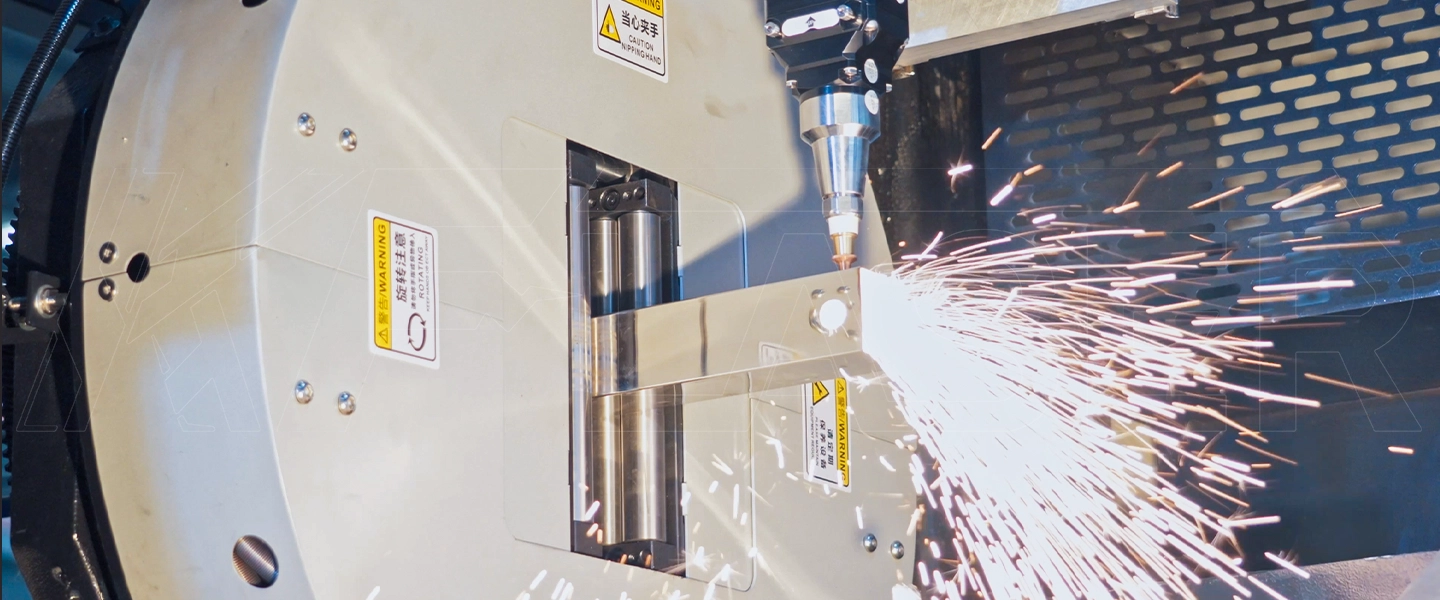
II. Working Principle of Laser Pipe Cutting Machines
- Laser Generation
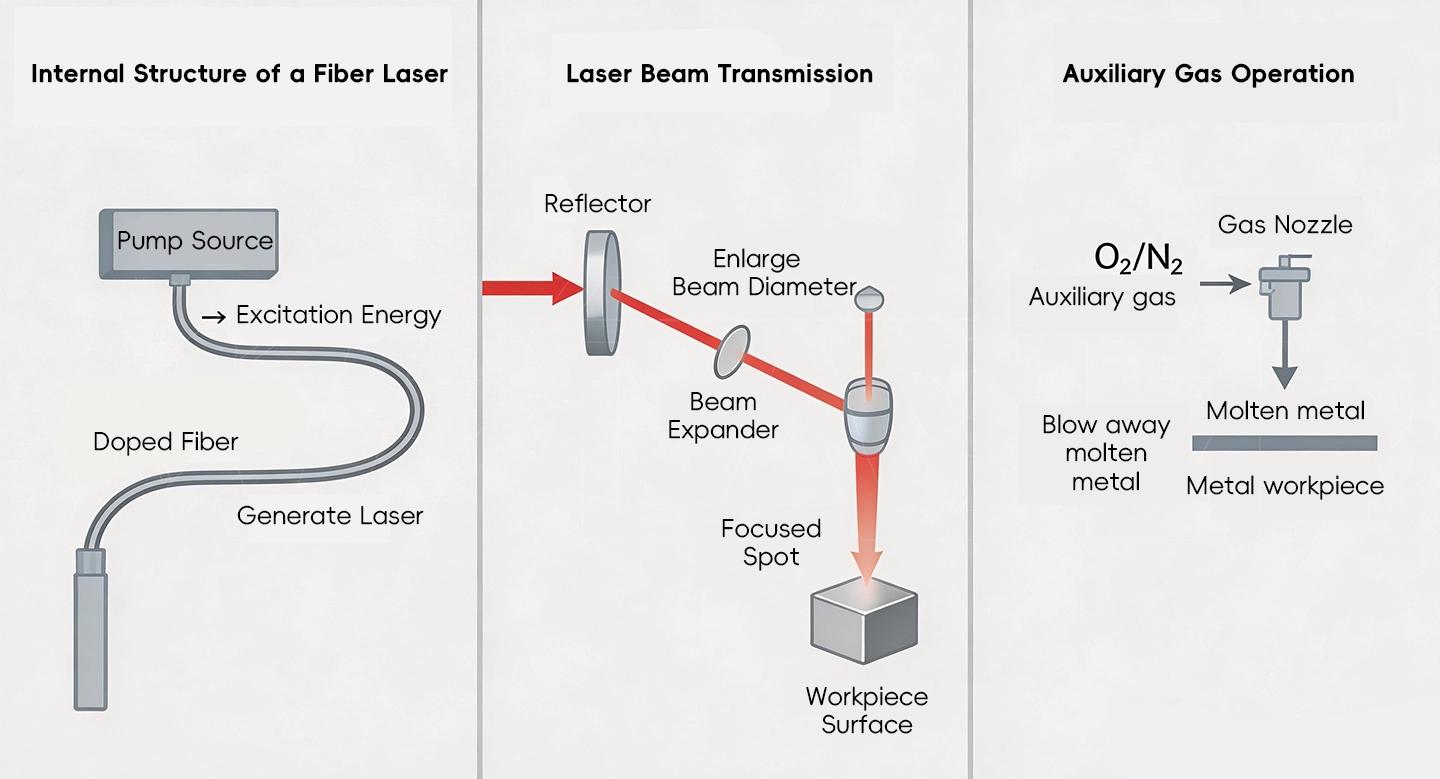
At the heart of a laser pipe cutting machine lies the laser source. There are different types of laser sources commonly used, with fiber lasers and CO₂ lasers being two of the most prevalent. Fiber lasers utilize doped optical fibers to generate laser light. When an electric current is applied or when pumped with light from another source, the rare – earth ions in the fiber are excited, creating a population inversion. This results in the emission of a coherent laser beam. CO₂ lasers, on the other hand, use a gas mixture of carbon dioxide, nitrogen, and helium. An electrical discharge through the gas mixture excites the CO₂ molecules, which then emit laser light in the infrared range.
- Beam Focusing and Material Interaction
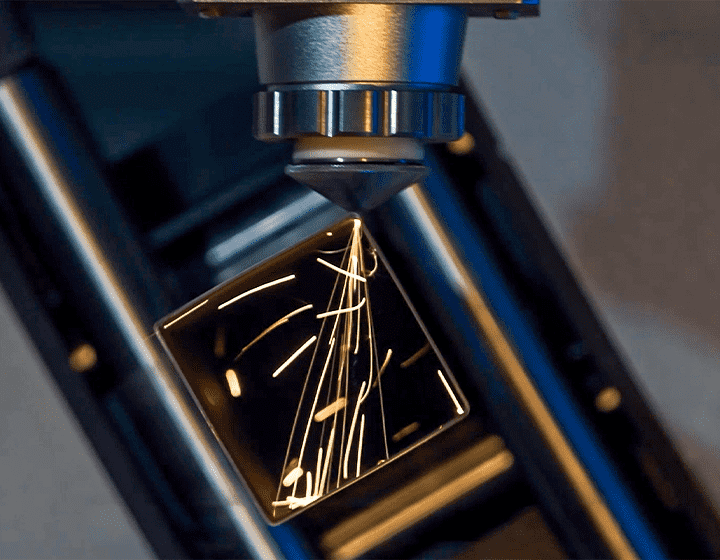
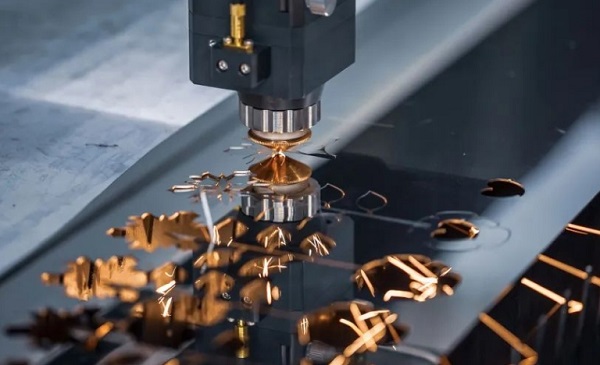
Once the laser beam is generated, it is directed through a series of optical components. Mirrors are used to redirect the beam, and lenses are employed to focus it onto the surface of the pipe. The focused laser beam has an extremely high power density. When it strikes the pipe material, the intense heat rapidly raises the temperature of the material to its melting or vaporization point. For metallic pipes, an assist gas is introduced simultaneously. Oxygen, for example, is commonly used when cutting mild steel. It reacts with the hot metal, creating an exothermic reaction that helps to expel the molten material from the cut area, resulting in a clean and efficient cut.
III. Types of Laser Pipe Cutting Machines
- Three – Axis Laser Pipe Cutting Machines
These machines are equipped with three axes of movement, typically the X, Y, and Z axes. The X and Y axes control the movement of the laser head in the horizontal plane, while the Z axis adjusts the focus of the laser beam and the distance between the laser head and the pipe surface. Three – axis laser pipe cutting machines are suitable for basic cutting operations on straight pipes. They can cut pipes of various diameters and wall thicknesses with a reasonable level of precision, making them popular in general – purpose manufacturing applications, such as in the production of simple plumbing pipes or structural components for small – scale construction projects.
- Five – Axis Laser Pipe Cutting Machines
Featuring five axes of movement, these machines offer enhanced capabilities. In addition to the X, Y, and Z axes, they also have two rotational axes, usually denoted as A and B. The A axis allows the laser head to tilt, while the B axis enables the pipe to rotate. This multi – axis configuration gives the machine the ability to cut complex 3D shapes and profiles on pipes. Five – axis laser pipe cutting machines are extensively used in industries like aerospace, where components often require intricate and precise cuts, such as the fabrication of turbine blades or aircraft engine ducts.
- Automated Laser Pipe Cutting Systems
Automated laser pipe cutting systems are designed to operate with minimal human intervention. They are often integrated with robotic arms or automated loading and unloading mechanisms. These systems can handle a large volume of pipes continuously. They are programmed to cut pipes according to pre – set parameters, which reduces the risk of human error and increases productivity. Automated laser pipe cutting systems are ideal for high – volume production environments, such as in the automotive industry, where large quantities of pipes need to be cut for exhaust systems, chassis components, and other applications.
IV. Applications of Laser Pipe Cutting Machines
1.Automotive Manufacturing
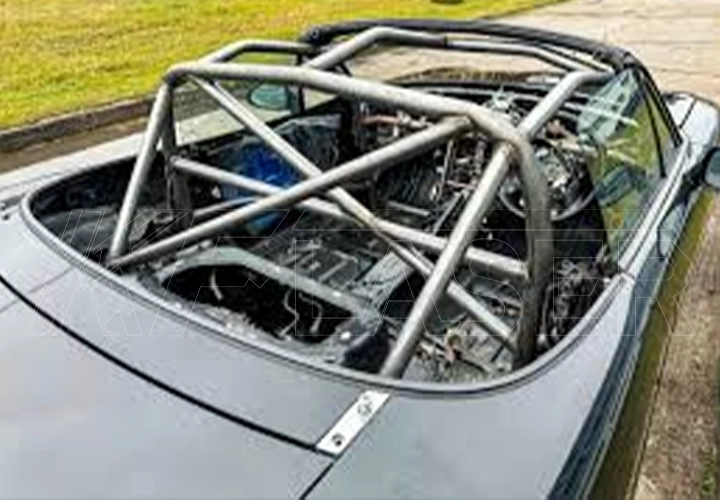
In the automotive industry, laser pipe cutting machines play a crucial role in the production process. They are used to cut pipes for exhaust systems with high precision. The accurate cuts ensure a proper fit and efficient exhaust flow, which is essential for the performance and emissions compliance of vehicles. Additionally, laser – cut pipes are used in the construction of vehicle frames. The ability to cut pipes into complex shapes allows for the creation of lightweight yet strong frame structures, contributing to better fuel efficiency and vehicle safety. For example, in the production of electric vehicles, where weight reduction is a key factor, laser – cut aluminum pipes are increasingly being used in the frame design.
2.Aerospace Engineering
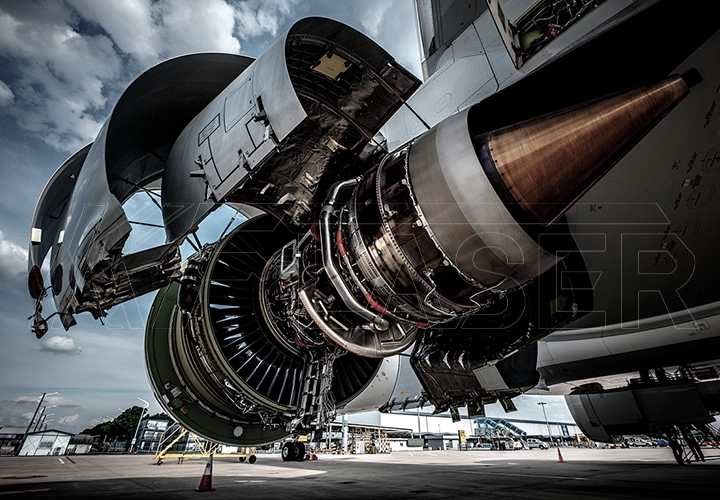
Aerospace applications demand the highest level of precision and quality. Laser pipe cutting machines are indispensable in this industry. They are used to fabricate critical components such as aircraft fuselage frames, engine components, and fuel lines. The ability to cut materials like titanium alloy with tight tolerances is crucial in aerospace manufacturing. Titanium is a preferred material in aerospace due to its high strength – to – weight ratio, but it is also difficult to machine. Laser pipe cutting machines can overcome these challenges and produce components that meet the stringent requirements of the aerospace industry. For instance, the production of fuel lines with complex bends and precise diameters can be achieved efficiently using laser cutting technology.
3.Construction and Architecture
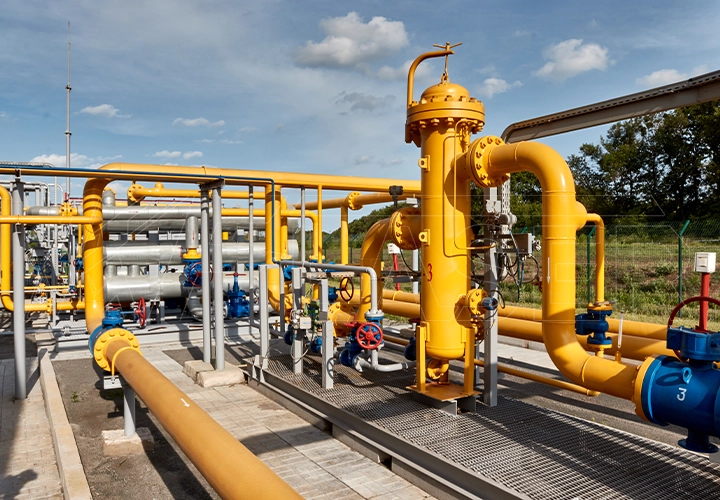
In the construction and architecture sectors, laser pipe cutting machines are used for a variety of applications. They are used to cut pipes for plumbing and HVAC (Heating, Ventilation, and Air Conditioning) systems. The precision of laser cutting ensures accurate fittings and reduces the need for on – site adjustments. For structural applications, laser – cut pipes are used to create frameworks for buildings, bridges, and other infrastructure projects. The speed and accuracy of laser cutting can significantly reduce construction time and costs. In modern architecture, laser – cut pipes are also used to create unique and aesthetically pleasing designs, adding a touch of innovation to building facades and interior spaces.
4.Furniture and Decorative Industries
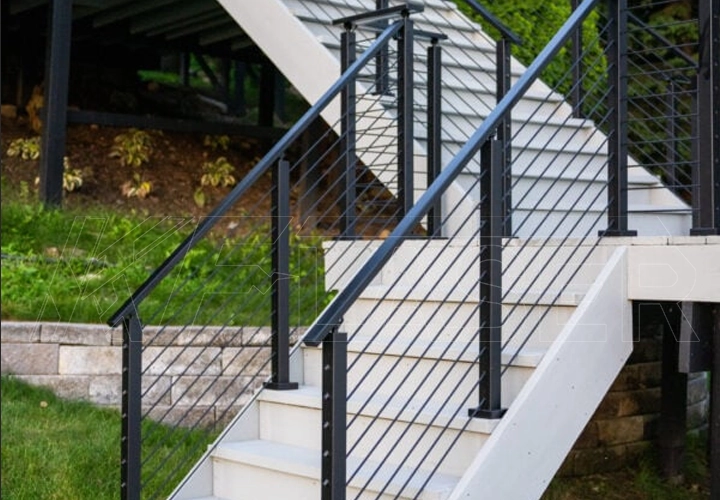
The furniture and decorative industries are increasingly adopting laser pipe cutting technology to create unique and stylish products. Laser – cut pipes can be used to create the frames of chairs, tables, and beds with intricate designs. The ability to cut pipes into custom shapes allows furniture designers to explore new and innovative designs. In the decorative industry, laser – cut metal pipes are used to create decorative elements such as room dividers, railings, and wall art. These laser – cut decorative pieces add a modern and sophisticated look to both residential and commercial spaces.
V. Advantages of Laser Pipe Cutting Machines
- High Precision
One of the most significant advantages of laser pipe cutting machines is their high precision. They can achieve tolerances as low as ±0.05mm or even better in some advanced models. This level of precision ensures that the cut pipes fit together perfectly, reducing the need for additional machining or finishing operations. High – precision cuts also result in less material waste, as the amount of excess material removed during the cutting process is minimized. In industries where tight tolerances are crucial, such as aerospace and medical device manufacturing, laser pipe cutting machines are the preferred choice.
- Fast Cutting Speed
Laser pipe cutting machines offer significantly faster cutting speeds compared to traditional cutting methods. The high – energy laser beam can quickly melt or vaporize the material, allowing for rapid cutting. This increased speed not only improves productivity but also reduces production costs. In high – volume manufacturing environments, the time saved by using laser cutting can be substantial. For example, in the automotive industry, where large numbers of pipes need to be cut, the fast cutting speed of laser machines enables manufacturers to meet production targets more efficiently.
- Versatility in Material and Shape
These machines are highly versatile in terms of the materials they can cut. They can process a wide range of metals, including steel, aluminum, stainless steel, and titanium, as well as non – metallic materials such as plastic, wood, and composite materials. Additionally, laser pipe cutting machines can handle different pipe shapes, including round, square, rectangular, and custom – shaped pipes. This versatility makes them suitable for a diverse range of applications across multiple industries.
- Minimal Heat – Affected Zone (HAZ)
The heat – affected zone (HAZ) is the area of the material that is affected by the heat generated during the cutting process. In laser pipe cutting, the heat input is highly concentrated and of short duration, resulting in a minimal HAZ. This is particularly important for materials that are sensitive to heat, as a large HAZ can cause changes in the material’s mechanical properties, such as hardness, strength, and ductility. By minimizing the HAZ, laser cutting helps to maintain the integrity and quality of the cut components.
VI. Challenges and Considerations
- High Initial Investment
The purchase cost of a laser pipe cutting machine is relatively high compared to traditional cutting equipment. This includes the cost of the laser source, optical components, motion control systems, and the overall machine structure. Additionally, the cost of associated equipment such as cooling systems, assist gas supply systems, and safety enclosures also adds to the total investment. Small and medium – sized enterprises (SMEs) may find it challenging to afford a high – end laser pipe cutting machine, which can limit their ability to adopt this technology.
- Maintenance and Operating Costs
Maintaining a laser pipe cutting machine requires regular servicing and the replacement of consumable components. The laser source, for example, may require periodic replacement of laser diodes or gas mixtures (in the case of CO₂ lasers). The optical components need to be kept clean and properly aligned to ensure optimal performance. The cost of these maintenance activities and replacement parts can be significant over the lifetime of the machine. Moreover, operating a laser pipe cutting machine requires skilled operators who are trained to handle the complex technology. The cost of training and retaining these skilled personnel also contributes to the overall operating costs.
- Safety Concerns
Laser pipe cutting machines involve the use of high – energy laser beams, which pose safety risks to operators. The laser beam can cause eye damage if proper safety precautions are not taken. In addition, the cutting process can generate fumes and dust, especially when cutting certain materials. These fumes may contain harmful substances that can be inhaled by operators, leading to health issues. To mitigate these risks, laser pipe cutting machines are typically equipped with safety features such as protective enclosures, interlocks, and fume extraction systems. However, ensuring the proper use and maintenance of these safety features is crucial.
VII. Market Trends and Future Outlook
- Growing Adoption in Emerging Markets
Emerging markets, particularly in Asia – Pacific, are witnessing a significant increase in the adoption of laser pipe cutting machines. Countries like China, India, and Southeast Asian nations are experiencing rapid industrialization and infrastructure development. The growth of industries such as automotive, construction, and manufacturing in these regions is driving the demand for high – precision and efficient cutting technologies. As the cost – effectiveness of laser pipe cutting machines improves and local support and service networks expand, the adoption rate in emerging markets is expected to continue rising.
- Technological Advancements
Ongoing research and development in laser technology are leading to continuous improvements in laser pipe cutting machines. Newer laser sources with higher power and better beam quality are being developed, which will further enhance the cutting performance. For example, the development of ultrafast lasers, such as picosecond and femtosecond lasers, is opening up new possibilities for cutting difficult – to – machine materials with even higher precision and reduced heat – affected zones. Additionally, advancements in automation and control systems are making laser pipe cutting machines more user – friendly and efficient.
- Integration with Industry 4.0
The concept of Industry 4.0, which emphasizes the integration of digital technologies, automation, and data analytics in manufacturing, is having a profound impact on the laser pipe cutting machine market. Laser pipe cutting machines are being integrated with Internet of Things (IoT) sensors, which can monitor the machine’s performance, cutting parameters, and component health in real – time. This data can be used to optimize the cutting process, predict maintenance needs, and improve overall productivity. The integration of laser cutting machines with robotics and automated material handling systems is also becoming more common, enabling fully automated manufacturing processes.
In summary, laser pipe cutting machines have revolutionized the way pipes are cut in modern manufacturing. Their high precision, fast cutting speed, and versatility make them an essential tool in a wide range of industries. While they face challenges such as high initial investment and maintenance costs, the continuous advancements in technology and the growing market demand are expected to drive their further development and adoption. As industries strive for greater efficiency, quality, and innovation, laser pipe cutting machines will continue to play a pivotal role in shaping the future of manufacturing.

Top Stories
Product Categories
- Metal Laser Cutter
- Laser Welder Machine
- Laser Cleaner Machine
- Laser Marker Machine
- Press Brake Machine