News
Mastering Laser Pipe Cutting Machines: Applications, Advantages, and Beyond
I. Introduction
In the realm of modern manufacturing and industrial processing, the laser pipe cutting machine has emerged as a revolutionary tool, bringing about a paradigm shift in the way pipes are cut and fabricated. As industries strive for greater precision, efficiency, and cost – effectiveness, laser pipe cutting technology has become an indispensable asset. This article delves deep into the world of laser pipe cutting machines, exploring their working mechanisms, diverse applications, distinct advantages, and the challenges they face.
II. Working Mechanism of Laser Pipe Cutting Machines
1.Laser Generation and Beam Propagation
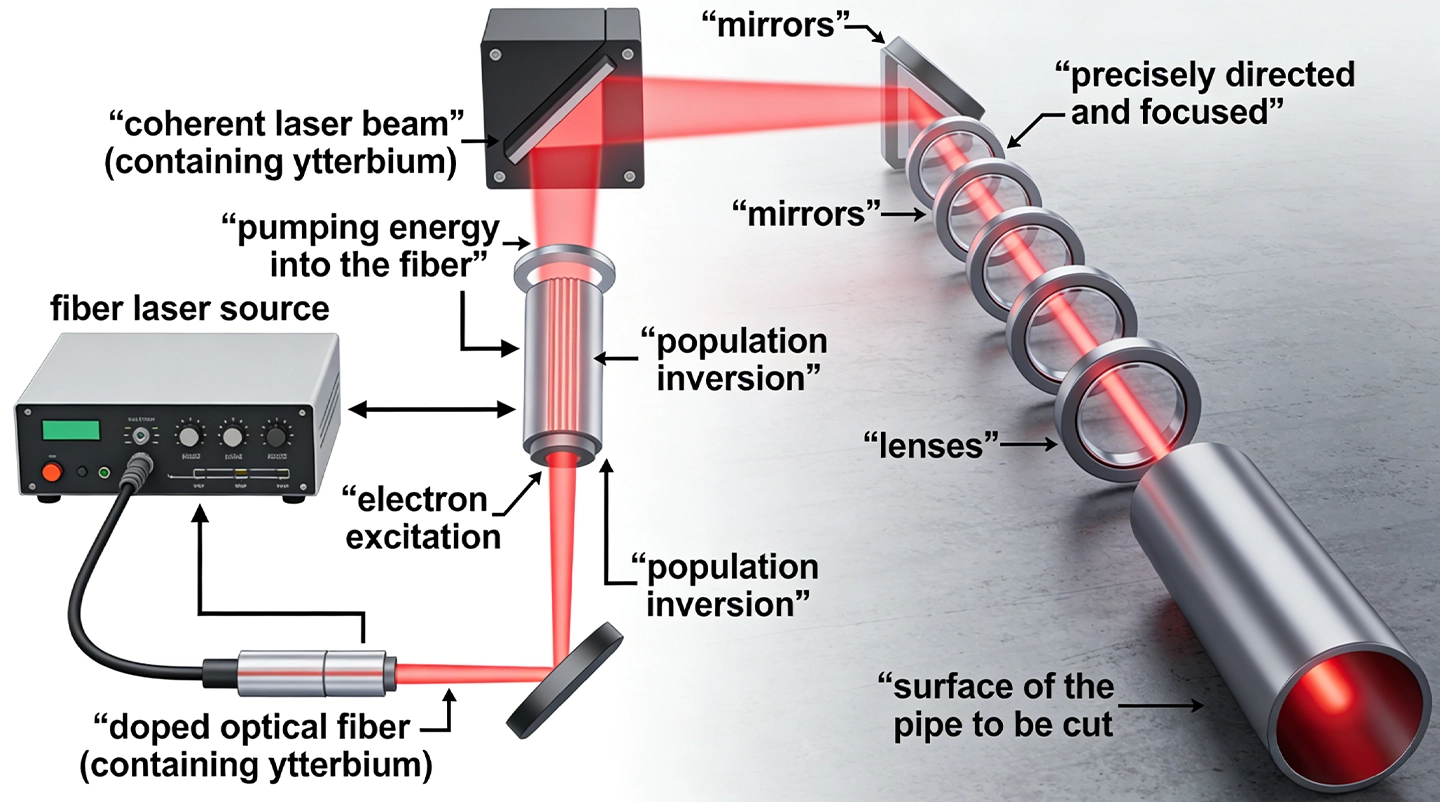
Laser pipe cutting machines rely on highly specialized laser sources. Fiber lasers, for instance, have gained significant popularity in recent years. These lasers operate by pumping energy into a doped optical fiber, typically containing rare – earth elements like ytterbium. This pumping process excites the electrons within the fiber, creating a population inversion. As a result, a coherent laser beam is generated. The beam then travels through a series of optical components, such as mirrors and lenses. These components are meticulously aligned to ensure that the laser beam is precisely directed and focused onto the surface of the pipe to be cut.
2.Material Interaction and Cutting Process
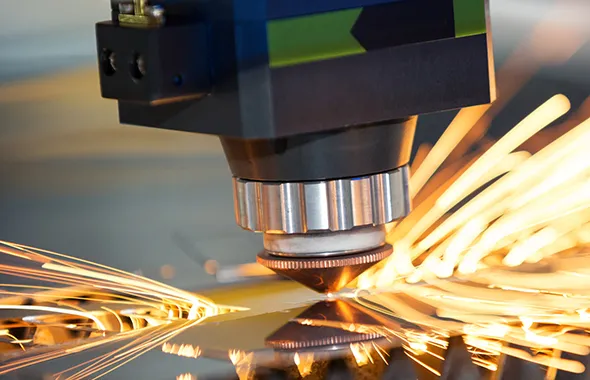
When the focused laser beam impinges on the pipe material, the intense energy rapidly heats the material. The heat input is so concentrated that it quickly raises the temperature of the material to its melting or vaporization point. In the case of metal pipes, an assist gas is introduced simultaneously. Oxygen is commonly used as an assist gas when cutting steel pipes. It reacts with the hot metal, creating an exothermic reaction. This reaction not only helps to expel the molten material from the cut area but also enhances the cutting speed and quality. The high – velocity gas stream blows away the molten and vaporized material, leaving behind a clean and precise cut.
III. Types of Laser Pipe Cutting Machines
1.Flat – Type Laser Pipe Cutting Machines
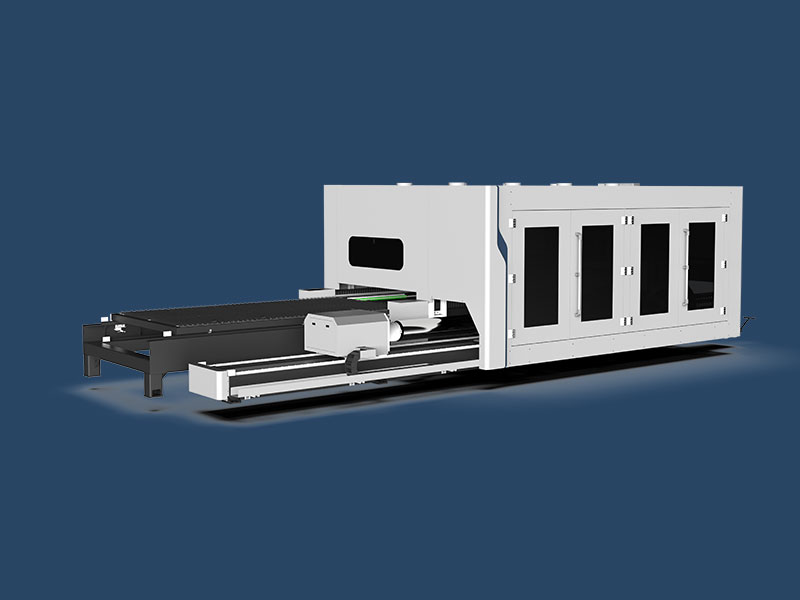
Flat – type laser pipe cutting machines are designed to cut pipes that are placed on a flat worktable. They are relatively simple in structure and are suitable for basic cutting operations on straight pipes. These machines are often used in small – scale manufacturing workshops or for applications where the cutting requirements are not overly complex. For example, in the production of simple plumbing pipes or small – sized structural components for furniture, flat – type laser pipe cutting machines can provide efficient and cost – effective solutions.
2.Vertical – Type Laser Pipe Cutting Machines
Vertical – type laser pipe cutting machines have the advantage of a more compact footprint. The pipe is held vertically during the cutting process, which can be beneficial for certain types of pipes, especially those with larger diameters. This configuration also allows for better access to the pipe from different angles, enabling the machine to perform more complex cuts. Vertical – type machines are often used in industries such as construction and large – scale manufacturing, where the handling of large – diameter pipes is common.
3.Robotic Laser Pipe Cutting Systems
Robotic laser pipe cutting systems combine the precision of laser cutting with the flexibility and programmability of robotic arms. These systems can be programmed to cut pipes in a wide variety of shapes and sizes. The robotic arm can move the laser head with great accuracy, allowing for the production of complex 3D geometries. Robotic laser pipe cutting systems are ideal for high – volume production environments, such as in the automotive and aerospace industries, where the need for consistent and high – quality cuts is crucial.
IV. Applications of Laser Pipe Cutting Machines
1.Automotive Manufacturing
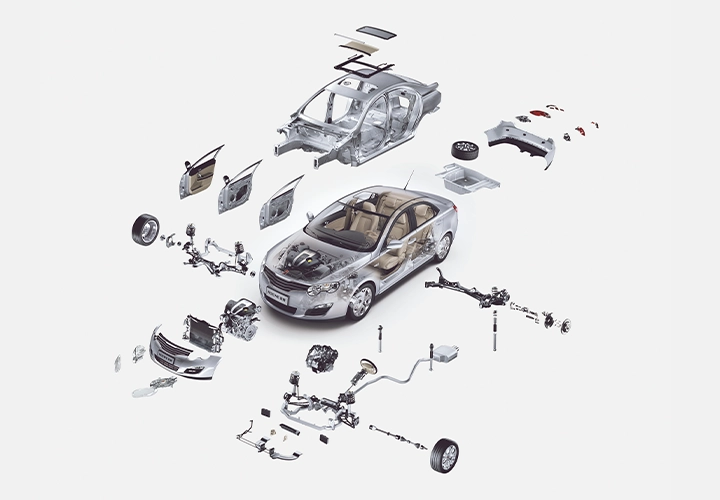
In the automotive industry, laser pipe cutting machines play a vital role in multiple aspects of vehicle production. They are extensively used in the fabrication of exhaust systems. The high precision of laser cutting ensures that the pipes are cut to the exact dimensions required, resulting in a perfect fit. This not only improves the performance of the exhaust system but also helps to reduce emissions. Additionally, laser – cut pipes are used in the construction of vehicle frames. The ability to cut complex shapes and profiles allows for the creation of lightweight yet strong frame structures, contributing to better fuel efficiency and overall vehicle performance.
2.Aerospace Engineering
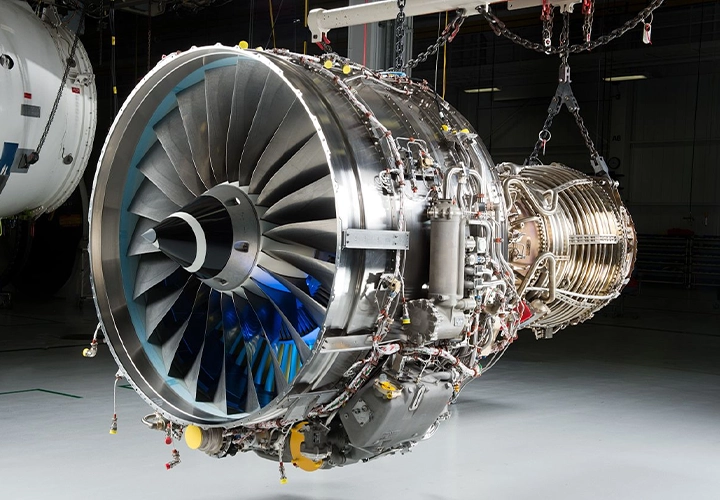
Aerospace applications demand the highest level of precision and quality, and laser pipe cutting machines are well – suited to meet these requirements. They are used to fabricate critical components such as aircraft engine parts, fuel lines, and structural elements of the fuselage. The ability to cut materials like titanium alloy with tight tolerances is essential in aerospace manufacturing. Titanium is known for its high strength – to – weight ratio, but it is also difficult to machine. Laser pipe cutting machines can overcome these challenges and produce components that meet the stringent standards of the aerospace industry.
3.Construction and Infrastructure
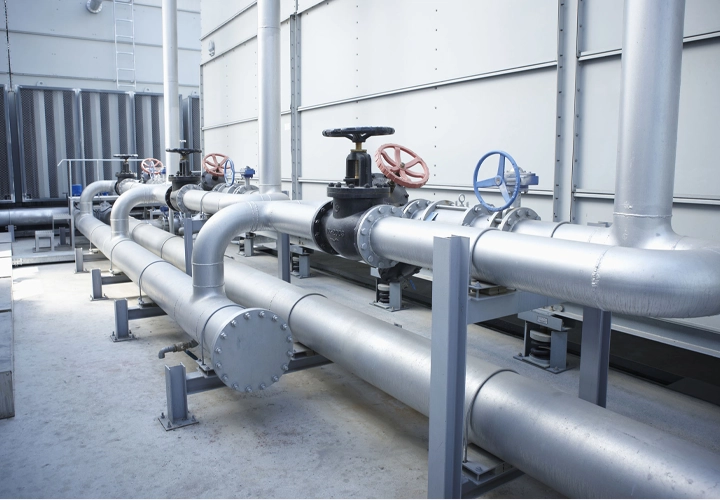
In the construction and infrastructure sectors, laser pipe cutting machines are used for a wide range of applications. They are used to cut pipes for plumbing, HVAC (Heating, Ventilation, and Air Conditioning) systems, and structural frameworks. The precision of laser cutting ensures accurate fittings and reduces the need for on – site adjustments. This not only saves time but also improves the overall quality of the construction project. In large – scale infrastructure projects, such as the construction of bridges and high – rise buildings, laser – cut pipes are used to create strong and stable structures.
4.Energy and Power Generation
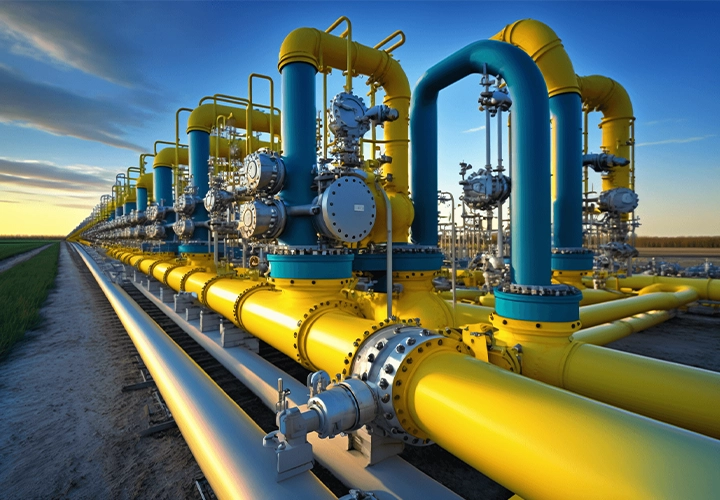
The energy and power generation industries also benefit from laser pipe cutting technology. In the oil and gas sector, laser – cut pipes are used in pipelines and refinery equipment. The high – quality cuts provided by laser machines ensure the integrity and safety of the pipelines, reducing the risk of leaks. In the power generation industry, laser – cut pipes are used in the construction of boilers, turbines, and other power – related equipment. The precision of laser cutting helps to improve the efficiency and performance of these components.
V. Advantages of Laser Pipe Cutting Machines
1.Exceptional Precision
One of the most significant advantages of laser pipe cutting machines is their ability to achieve extremely high precision. Tolerances as low as ±0.05mm can be easily achieved, and in some advanced models, even tighter tolerances are possible. This high level of precision ensures that the cut pipes fit together perfectly, reducing the need for additional machining or finishing operations. High – precision cuts also result in less material waste, as the amount of excess material removed during the cutting process is minimized.
2.High – Speed Cutting
Laser pipe cutting machines offer significantly faster cutting speeds compared to traditional cutting methods. The high – energy laser beam can quickly melt or vaporize the material, allowing for rapid cutting. This increased speed not only improves productivity but also reduces production costs. In high – volume manufacturing environments, the time saved by using laser cutting can be substantial. For example, in the automotive industry, where large numbers of pipes need to be cut, the fast cutting speed of laser machines enables manufacturers to meet production targets more efficiently.
3.Versatility in Material and Shape
These machines are highly versatile in terms of the materials they can cut. They can process a wide range of metals, including steel, aluminum, stainless steel, and titanium, as well as non – metallic materials such as plastic, wood, and composite materials. Additionally, laser pipe cutting machines can handle different pipe shapes, including round, square, rectangular, and custom – shaped pipes. This versatility makes them suitable for a diverse range of applications across multiple industries.
4.Minimal Heat – Affected Zone (HAZ)
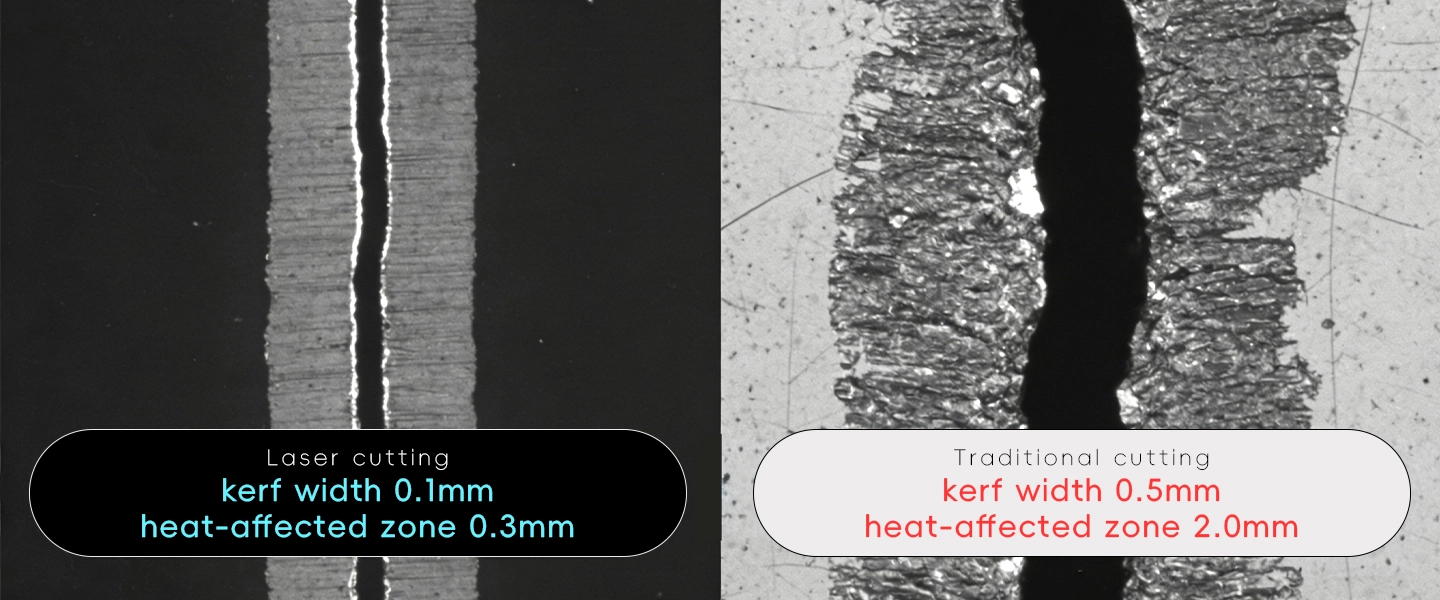
The heat – affected zone (HAZ) is the area of the material that is affected by the heat generated during the cutting process. In laser pipe cutting, the heat input is highly concentrated and of short duration, resulting in a minimal HAZ. This is particularly important for materials that are sensitive to heat, as a large HAZ can cause changes in the material’s mechanical properties, such as hardness, strength, and ductility. By minimizing the HAZ, laser cutting helps to maintain the integrity and quality of the cut components.
VI. Challenges and Considerations
1.High Initial Investment
The purchase cost of a laser pipe cutting machine is relatively high compared to traditional cutting equipment. This includes the cost of the laser source, optical components, motion control systems, and the overall machine structure. Additionally, the cost of associated equipment such as cooling systems, assist gas supply systems, and safety enclosures also adds to the total investment. Small and medium – sized enterprises (SMEs) may find it challenging to afford a high – end laser pipe cutting machine, which can limit their ability to adopt this technology.
2.Maintenance and Operating Costs
Maintaining a laser pipe cutting machine requires regular servicing and the replacement of consumable components. The laser source, for example, may require periodic replacement of laser diodes or gas mixtures (in the case of CO₂ lasers). The optical components need to be kept clean and properly aligned to ensure optimal performance. The cost of these maintenance activities and replacement parts can be significant over the lifetime of the machine. Moreover, operating a laser pipe cutting machine requires skilled operators who are trained to handle the complex technology. The cost of training and retaining these skilled personnel also contributes to the overall operating costs.
3.Safety Concerns
Laser pipe cutting machines involve the use of high – energy laser beams, which pose safety risks to operators. The laser beam can cause eye damage if proper safety precautions are not taken. In addition, the cutting process can generate fumes and dust, especially when cutting certain materials. These fumes may contain harmful substances that can be inhaled by operators, leading to health issues. To mitigate these risks, laser pipe cutting machines are typically equipped with safety features such as protective enclosures, interlocks, and fume extraction systems. However, ensuring the proper use and maintenance of these safety features is crucial.
VII. Market Trends and Future Outlook
1.Growing Adoption in Emerging Markets
Emerging markets, particularly in Asia – Pacific, are witnessing a significant increase in the adoption of laser pipe cutting machines. Countries like China, India, and Southeast Asian nations are experiencing rapid industrialization and infrastructure development. The growth of industries such as automotive, construction, and manufacturing in these regions is driving the demand for high – precision and efficient cutting technologies. As the cost – effectiveness of laser pipe cutting machines improves and local support and service networks expand, the adoption rate in emerging markets is expected to continue rising.
2.Technological Advancements
Ongoing research and development in laser technology are leading to continuous improvements in laser pipe cutting machines. Newer laser sources with higher power and better beam quality are being developed, which will further enhance the cutting performance. For example, the development of ultrafast lasers, such as picosecond and femtosecond lasers, is opening up new possibilities for cutting difficult – to – machine materials with even higher precision and reduced heat – affected zones. Additionally, advancements in automation and control systems are making laser pipe cutting machines more user – friendly and efficient.
3.Integration with Industry 4.0
The concept of Industry 4.0, which emphasizes the integration of digital technologies, automation, and data analytics in manufacturing, is having a profound impact on the laser pipe cutting machine market. Laser pipe cutting machines are being integrated with Internet of Things (IoT) sensors, which can monitor the machine’s performance, cutting parameters, and component health in real – time. This data can be used to optimize the cutting process, predict maintenance needs, and improve overall productivity. The integration of laser cutting machines with robotics and automated material handling systems is also becoming more common, enabling fully automated manufacturing processes.
In summary, laser pipe cutting machines have become an essential tool in modern manufacturing, offering high precision, fast cutting speeds, and versatility. While they face challenges such as high initial investment and maintenance costs, the continuous advancements in technology and the growing market demand are expected to drive their further development and adoption. As industries continue to evolve, laser pipe cutting machines will undoubtedly play a crucial role in shaping the future of manufacturing.

Top Stories
Product Categories
- Metal Laser Cutter
- Laser Welder Machine
- Laser Cleaner Machine
- Laser Marker Machine
- Press Brake Machine