News
Unlock the Potential of Laser Pipe Cutting Machines: A Comprehensive Guide
Introduction
In the intricate tapestry of modern industrial manufacturing, the laser pipe cutting machine has emerged as a linchpin technology, reshaping the contours of precision fabrication. As industries across the spectrum – from automotive to aerospace, construction to furniture – strive to meet the ever – escalating demands for accuracy, efficiency, and design versatility, the question that looms large is: How does one choose the right laser pipe cutting machine to supercharge production efficiency? This query serves as the compass, guiding manufacturers through the labyrinth of options in the dynamic world of laser – based pipe cutting.
The traditional methods of pipe cutting, such as mechanical sawing, plasma cutting, and oxy – fuel cutting, have long been the workhorses of the industry. However, they come with their own set of limitations. Mechanical sawing, for instance, is often time – consuming and can introduce significant mechanical stress on the pipes, leading to potential deformations. Plasma and oxy – fuel cutting, while faster in some cases, lack the pinpoint precision required for many contemporary applications. Enter the laser pipe cutting machine, a technological marvel that promises to revolutionize the way pipes are cut, offering a blend of speed, accuracy, and flexibility that was hitherto unattainable.
This article delves deep into the realm of laser pipe cutting machines, exploring their inner workings, the diverse range of applications they serve, the advantages that set them apart, the challenges they confront, and the trends that are shaping their future. By the end of this exploration, manufacturers will be equipped with the knowledge to make informed decisions, ensuring that they select the laser pipe cutting machine that best aligns with their production needs and strategic goals.
1. What is a Laser Pipe Cutting Machine
1.1 Definition
A laser pipe cutting machine is an advanced and highly specialized piece of industrial equipment. It is designed to use the power of laser technology to precisely cut various types of pipes. In essence, it’s a high – tech solution for the manufacturing and fabrication industries that require accurate and efficient pipe – cutting operations. This machine can handle different materials, including metals like steel, aluminum, and titanium, as well as non – metallic materials such as plastic and composite pipes. By using a focused laser beam, it can create clean, precise cuts, eliminating the need for excessive post – processing in many cases.
1.2 Working Principle
The working principle of a laser pipe cutting machine is based on the interaction between a high – energy laser beam and the material of the pipe.
1.Laser Generation: First, a laser source is used to produce a coherent and highly concentrated beam of light. There are several types of laser sources, with fiber lasers and CO₂ lasers being the most commonly used in pipe cutting machines. Fiber lasers, for example, generate laser light through the excitation of rare – earth – doped optical fibers. When an external energy source, such as a diode pump, is applied, the electrons in the doped fibers are excited to a higher energy level. As these electrons return to their original state, they emit photons, which form the laser beam.
2.Beam Delivery and Focusing: Once generated, the laser beam is directed through a series of optical components, including mirrors and lenses. Mirrors are used to redirect the beam, while lenses play a crucial role in focusing the beam onto the surface of the pipe. The focusing process is essential as it increases the power density of the laser beam. By concentrating the laser energy onto a small spot on the pipe, the machine can achieve high – precision cuts.
3.Material Interaction: When the focused laser beam hits the surface of the pipe, the intense heat rapidly raises the temperature of the material. The heat input is so significant that it can quickly melt or even vaporize the pipe material. In the case of metal pipes, an assist gas is introduced simultaneously. Oxygen is commonly used as an assist gas when cutting steel pipes. As the laser beam heats the steel, the oxygen reacts with the hot metal in an exothermic reaction. This reaction not only helps to expel the molten metal from the cut area but also enhances the cutting speed. The high – velocity gas stream blows away the molten and vaporized material, leaving behind a clean and precise cut. For non – metallic pipes, different assist gases or sometimes just compressed air may be used to clear the cut area. The entire process is carefully controlled by adjusting parameters such as the laser power, cutting speed, and assist gas flow rate to ensure optimal cutting quality.
2. Key Components of a Laser Pipe Cutting Machine
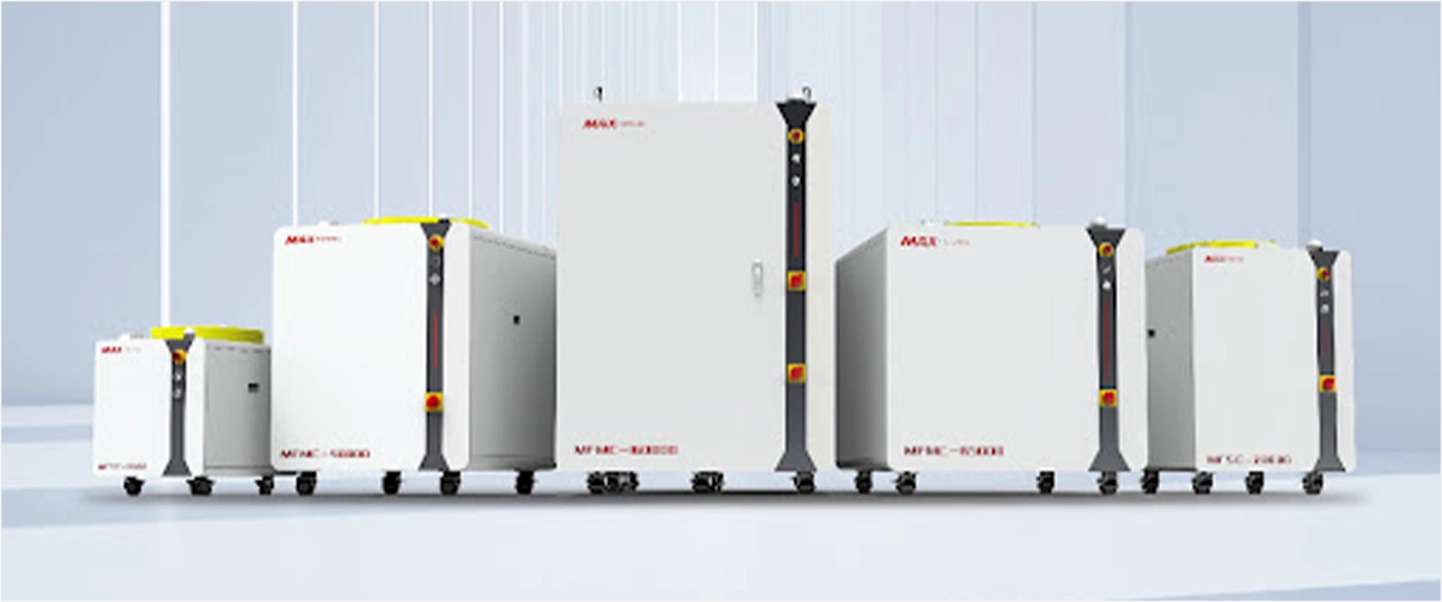
2.1 Laser Source
The laser source is the heart of a laser pipe cutting machine, responsible for generating the high – energy beam that enables precise cutting. There are several types of laser sources commonly used in these machines, each with its own set of characteristics.
1.Fiber Lasers
Fiber lasers have gained significant popularity in recent years. They operate based on the principle of stimulated emission in rare – earth – doped optical fibers. Ytterbium – doped fibers are commonly used in fiber lasers for pipe cutting. These lasers offer several advantages. Firstly, they have high energy efficiency, converting a relatively large percentage of the input electrical energy into laser energy. This results in lower operating costs as less power is consumed during operation. Secondly, fiber lasers produce a high – quality beam with excellent beam quality factor (M²), which is crucial for achieving high – precision cuts. The small spot size that can be achieved with fiber lasers allows for very fine and accurate cutting, making them ideal for applications where tight tolerances are required, such as in the aerospace and medical device industries. For example, when cutting small – diameter pipes for medical catheters, the high precision of fiber lasers ensures that the inner and outer diameters of the cut sections are within the required tolerances. However, fiber lasers also have some limitations. Their initial cost is relatively high compared to some other laser sources, which can be a deterrent for small – scale manufacturers with limited budgets.
2.CO₂ Lasers
CO₂ lasers use a gas mixture of carbon dioxide, nitrogen, and helium. An electrical discharge through this gas mixture excites the CO₂ molecules, which then emit laser light in the infrared range. CO₂ lasers have been used in laser pipe cutting for a long time and have their own strengths. They are well – suited for cutting a wide range of materials, including metals, plastics, and wood. In the case of cutting non – metallic materials like plastic pipes, CO₂ lasers can provide good cutting quality. They also have the ability to handle larger workpieces and thicker materials in some cases. However, CO₂ lasers have a lower energy efficiency compared to fiber lasers. They require more complex cooling systems due to the heat generated during operation. Additionally, the beam quality of CO₂ lasers is generally not as good as that of fiber lasers, which may limit their precision in some high – tolerance applications. For instance, when cutting thin – walled metal pipes with very tight dimensional requirements, a fiber laser may be a better choice than a CO₂ laser.
2.2 Cutting Head
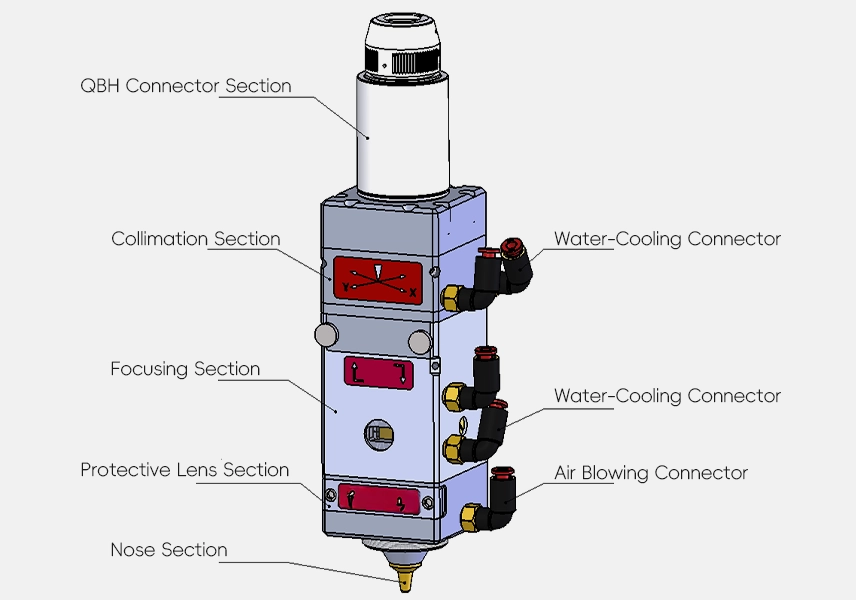
The cutting head is a critical component of the laser pipe cutting machine as it directly interacts with the pipe during the cutting process.
1.Function of the Cutting Head
The primary function of the cutting head is to focus the laser beam onto the surface of the pipe. It contains a series of optical lenses that are carefully designed to converge the laser beam to a small spot. By focusing the beam, the power density of the laser at the point of contact with the pipe is increased significantly, enabling efficient melting or vaporization of the material. Another important function of the cutting head is to control the cutting parameters. It can adjust the distance between the lens and the pipe surface, which is crucial for maintaining the optimal focus of the laser beam. This adjustment is often referred to as the focal length adjustment. Additionally, the cutting head can control the flow rate and pressure of the assist gas. The assist gas, as mentioned earlier, plays a vital role in expelling the molten or vaporized material from the cut area. By precisely controlling the assist gas, the cutting head can ensure a clean and smooth cut. For example, when cutting stainless – steel pipes, the right amount of nitrogen assist gas, delivered at the correct pressure and flow rate by the cutting head, can prevent oxidation and produce a high – quality cut surface.
2.Key Components and Technologies in the Cutting Head
The cutting head typically consists of a focusing lens, a nozzle for the assist gas, and a protective window. The focusing lens is made of high – quality optical materials, such as zinc selenide (ZnSe) for CO₂ lasers or fused silica for fiber lasers. These materials have high transparency in the wavelength range of the laser beam and are able to withstand the high – energy density of the focused beam. The nozzle is designed to direct the assist gas onto the cut area in a precise manner. Different nozzle designs are available, and the choice of nozzle depends on factors such as the type of material being cut, the thickness of the pipe, and the desired cutting quality. Some advanced cutting heads also incorporate autofocus technology. This technology uses sensors to continuously monitor the distance between the cutting head and the pipe surface. If the distance changes, for example, due to the unevenness of the pipe or movement during the cutting process, the autofocus system can automatically adjust the position of the focusing lens to maintain the optimal focus, ensuring consistent cutting quality.
2.3 Motion System
The motion system of a laser pipe cutting machine is responsible for the precise movement of the pipe and the cutting head, which is essential for achieving accurate cuts.
1.Achieving Precise Pipe Positioning and Cutting Head Movement
The motion system enables the pipe to be positioned accurately in the cutting area. It can move the pipe along different axes, such as the X, Y, and Z axes in a three – dimensional space. In some advanced machines, there may also be rotational axes (A and B axes) that allow the pipe to be rotated and tilted, enabling the cutting of complex 3D shapes. For example, in the production of automotive exhaust systems, the pipes often have complex bends and shapes. The motion system can position the pipes precisely so that the laser cutting head can cut them according to the required specifications. At the same time, the motion system ensures the stable movement of the cutting head. It needs to move the cutting head smoothly and accurately along the path defined by the cutting program. Any vibration or jerk during the movement of the cutting head can affect the cutting quality, leading to uneven cuts or rough edges.
2.Role of Components like Screws and Rails
Screws, such as ball screws, are commonly used in the motion system. A ball screw consists of a screw shaft, a nut, and a series of balls. When the screw shaft rotates, the nut moves linearly along the shaft. Ball screws offer high precision and smooth motion. They can convert the rotational motion of a motor into precise linear motion, which is required for the accurate positioning of the pipe and the cutting head. Rails, on the other hand, provide support and guidance for the moving components. Linear guide rails are often used in laser pipe cutting machines. They have a smooth surface and can ensure that the moving parts, such as the carriage holding the cutting head, move in a straight line with minimal friction. This helps to maintain the accuracy of the movement and reduces wear and tear on the components. For example, in a high – precision laser pipe cutting machine used in the aerospace industry, the ball screws and linear guide rails work together to ensure that the cutting head can move with an accuracy of ±0.01mm, enabling the production of components with extremely tight tolerances.
2.4 Control System
The control system is the brain of the laser pipe cutting machine, governing the entire cutting process and enabling automation.
1.Automated Control of the Cutting Process
The control system allows for the automation of the cutting process. It can be programmed to execute a series of cutting operations without the need for constant manual intervention. Operators can input the cutting parameters, such as the laser power, cutting speed, and assist gas flow rate, into the control system. The system then adjusts the various components of the machine accordingly to ensure that the cutting process is carried out as planned. For example, if a manufacturer needs to cut a large number of pipes of the same Specification (diameter and wall thickness) with the same cutting pattern, the control system can be programmed once, and the machine can repeat the cutting operations automatically, greatly improving productivity.
2.Functions such as Parameter Setting and Programming Control
Parameter setting is a crucial function of the control system. Operators can easily adjust parameters based on the type of material being cut, the thickness of the pipe, and the desired cutting quality. For instance, when cutting a thick – walled steel pipe, a higher laser power and a slower cutting speed may be required compared to cutting a thin – walled aluminum pipe. The control system also enables programming control. It can interpret and execute cutting programs written in programming languages such as G – code. These programs define the path that the cutting head should follow, the start and end points of the cut, and any special operations such as piercing the material before starting the cut. Some advanced control systems also offer features like real – time monitoring and diagnostic functions. They can monitor the performance of the machine during operation, such as the temperature of the laser source, the status of the motion system, and the cutting quality. If any issues are detected, the control system can alert the operator and even take corrective actions automatically to prevent damage to the machine or poor – quality cuts.
3. Advantages of Laser Pipe Cutting Machines
3.1 High Precision
Laser pipe cutting machines are renowned for their remarkable precision. They can achieve an astonishingly low cutting error, often within the range of ±0.05mm or even less in some advanced models. For instance, in the automotive industry, when manufacturing exhaust pipes, the precise cuts made by laser pipe cutting machines ensure a perfect fit, which is crucial for the proper functioning of the exhaust system. In contrast, traditional cutting methods like sawing may have a much larger cutting error, sometimes reaching ±1mm or more. This significant difference in precision means that parts cut by laser are far more likely to be accurate and require less post – processing. High – precision cuts also lead to better – fitting components, reducing the need for rework and ultimately saving both time and resources.
3.2 High Efficiency
The high – efficiency nature of laser pipe cutting machines can be attributed to several factors. Firstly, they operate through a non – contact processing method. Since there is no physical contact between the cutting tool and the pipe, there is no friction – induced wear or the need for tool replacement, which allows for continuous operation. Secondly, the high – energy laser beam can rapidly melt or vaporize the pipe material. For example, when cutting a thin – walled aluminum pipe, a laser pipe cutting machine can complete the cut in a matter of seconds, while a traditional mechanical saw might take minutes. This fast cutting speed enables manufacturers to produce a large number of parts in a relatively short time. In high – volume production environments, such as in the furniture manufacturing industry where many metal pipes are used for frames, the high – speed cutting of laser machines can significantly increase productivity and meet tight production schedules.
3.3 Versatility
Laser pipe cutting machines are highly versatile in terms of the materials and pipe shapes they can handle. They can cut a wide variety of materials, including metals like steel, aluminum, stainless steel, and titanium. In the aerospace industry, titanium alloy pipes are commonly cut using laser technology to fabricate aircraft components. Non – metallic materials such as plastic, wood, and composite pipes are also suitable for laser cutting. For example, in the production of plastic plumbing pipes, laser cutting can create precise cuts for fittings. Moreover, these machines can handle different pipe shapes. Whether it’s a round pipe for a water supply system, a square pipe for a structural framework, a rectangular pipe for an industrial duct, or a custom – shaped pipe for a unique design, laser pipe cutting machines can meet the requirements. This versatility makes them suitable for a diverse range of industries, from construction to electronics manufacturing.
3.4 Low Waste
One of the significant advantages of laser pipe cutting machines is the minimal waste they produce. The heat – affected zone during laser cutting is extremely small. This is because the laser beam delivers highly concentrated energy in a short period, minimizing the area of the material that is affected by heat. As a result, the material adjacent to the cut remains in its original state, with little to no change in its mechanical properties. For example, when cutting a steel pipe for a construction project, the small heat – affected zone ensures that the pipe’s strength and integrity are maintained, reducing the likelihood of defects. Additionally, the narrow kerf width in laser cutting means that less material is removed during the cutting process. This not only saves on raw material costs but also aligns with the principles of environmental protection by reducing waste. In industries where material costs are a significant factor, such as the jewelry – making industry when cutting precious metal pipes, the low – waste advantage of laser cutting can lead to substantial cost savings.
4. Applications of Laser Pipe Cutting Machines
4.1 Automotive Industry
In the automotive industry, laser pipe cutting machines have become indispensable tools, revolutionizing the manufacturing process in multiple ways. One of the primary applications is in the production of exhaust systems. Exhaust pipes need to be precisely cut to ensure a proper fit within the vehicle’s chassis. The high precision of laser pipe cutting machines allows for the creation of pipes with exact bends and lengths. For example, in modern high – performance cars, the exhaust system is designed to optimize the flow of exhaust gases, reducing backpressure and improving engine performance. Laser – cut exhaust pipes can be fabricated with smooth internal surfaces and accurate connections, which are crucial for achieving this optimization.
Moreover, laser – cut pipes play a vital role in the construction of vehicle frames. As automotive manufacturers strive to reduce vehicle weight for better fuel efficiency and performance, the use of lightweight yet strong tubular structures in vehicle frames has become increasingly common. Laser pipe cutting machines can cut complex shapes and profiles in pipes made of materials like aluminum alloy, which is a popular choice for its high strength – to – weight ratio. These precisely cut pipes can be assembled to form a robust and lightweight frame. In electric vehicles, where battery weight is a significant factor, the use of laser – cut lightweight pipes in the frame helps to offset some of the battery’s weight, contributing to improved overall vehicle efficiency.
4.2 Aerospace Industry
The aerospace industry has extremely high – precision requirements, and laser pipe cutting machines are well – equipped to meet these demands. In aircraft manufacturing, laser – cut pipes are used in a variety of critical components. For instance, in the construction of aircraft frames, laser – cut pipes made of titanium alloy are commonly employed. Titanium alloy is favored for its high strength, corrosion resistance, and low density, making it ideal for aerospace applications. However, it is also a difficult material to machine. Laser pipe cutting machines can overcome these challenges by precisely cutting the titanium alloy pipes with tight tolerances. The ability to create complex shapes and profiles is essential for aircraft frames, as they need to be aerodynamically efficient and structurally sound.
Laser – cut pipes are also crucial in the manufacturing of aircraft engine components. Engine parts, such as compressor blades and turbine casings, often require the use of pipes with intricate geometries. Laser pipe cutting machines can cut these pipes with the precision needed to ensure proper fit and function within the engine. Additionally, in the production of fuel lines, laser – cut pipes offer the advantage of high – quality cuts, which are essential for maintaining the integrity and safety of the fuel delivery system. The ability to cut pipes with minimal heat – affected zones is particularly important in aerospace applications, as it helps to preserve the mechanical properties of the materials, ensuring the reliability of the components in extreme operating conditions.
4.3 Construction Industry
In the construction industry, laser pipe cutting machines have a wide range of applications. For plumbing and HVAC systems, laser – cut pipes offer the advantage of precise cuts, which are essential for ensuring proper fittings and connections. In large – scale commercial buildings or high – rise structures, the plumbing and HVAC systems are complex, and the use of laser – cut pipes can significantly reduce the time and effort required for installation. For example, when installing a complex network of water supply pipes in a large hotel, laser – cut pipes can be fabricated to exact lengths and angles, allowing for a more efficient and accurate installation process.
Laser – cut pipes are also used in the construction of structural frameworks. In modern architecture, there is a growing trend towards the use of innovative and complex structural designs. Laser pipe cutting machines can cut pipes into custom shapes and sizes, enabling architects and engineers to bring their creative designs to life. For example, in the construction of a unique – shaped building with a complex steel – framed structure, laser – cut pipes can be used to create the framework, providing the necessary strength and stability while also meeting the aesthetic requirements of the design. These precisely cut pipes can be easily assembled on – site, reducing construction time and costs.
4.4 Furniture Industry
The furniture industry has also embraced laser pipe cutting machines to enhance the design and quality of their products. In the production of metal – framed furniture, such as chairs, tables, and beds, laser – cut pipes offer a high level of design flexibility. Designers can create unique and intricate shapes for the furniture frames, adding a touch of modernity and style. For example, laser – cut pipes can be used to create curved or angled frames, which are difficult to achieve with traditional cutting methods. These custom – cut pipes can be welded together to form a sturdy and visually appealing furniture piece.
Moreover, the precision of laser pipe cutting machines ensures that the furniture components fit together perfectly. This reduces the need for additional machining or adjustment during the assembly process, improving production efficiency. The smooth and clean cuts produced by laser cutting also enhance the overall aesthetic of the furniture. In high – end furniture manufacturing, where attention to detail is crucial, laser – cut pipes can provide a level of quality and finish that meets the demands of discerning customers. Additionally, laser – cut pipes can be used in the production of decorative elements in furniture, such as ornate railings or decorative inserts, adding a decorative touch to the furniture pieces.
5. How to Choose the Right Laser Pipe Cutting Machines
5.1 Cutting Requirements
The first and foremost factor to consider when choosing a laser pipe cutting machine is your specific cutting requirements. This involves taking into account several aspects related to the pipes you’ll be working with.
Material Type: Different materials have varying responses to laser cutting. For example, metals like steel, aluminum, and titanium have different melting points, thermal conductivities, and reflectivity. Steel is a common material in many industries, and it can be effectively cut by laser pipe cutting machines. However, the type of steel, such as mild steel, stainless steel, or high – carbon steel, also matters. Mild steel is relatively easy to cut with a laser, and an oxygen assist gas can enhance the cutting speed. Stainless steel, on the other hand, requires a more careful selection of assist gas, often nitrogen, to prevent oxidation during the cutting process. Aluminum has high thermal conductivity and reflectivity, which may pose challenges in laser cutting. Specialized laser sources and higher – power lasers are sometimes needed to cut aluminum effectively. When it comes to non – metallic materials like plastic and composite pipes, the cutting parameters and even the type of laser may need to be adjusted accordingly. For instance, a CO₂ laser may be more suitable for some types of plastic pipes due to its wavelength characteristics.
Pipe Thickness: The thickness of the pipe significantly influences the choice of laser power. As a general rule, thicker pipes require higher – power lasers to achieve efficient cutting. For pipes with a thickness of less than 5mm, a relatively low – power laser, such as a 1000 – 2000W fiber laser, may be sufficient. These lower – power lasers can cut thin – walled pipes quickly and precisely. However, if you are dealing with pipes that are 5 – 10mm thick, a 2000 – 4000W laser would be more appropriate. Pipes thicker than 10mm often demand lasers with powers of 4000W or higher. For example, in the construction of large – scale industrial structures, where thick – walled steel pipes are used, a high – power laser is essential to ensure clean and accurate cuts through the thick material.
Cutting Shape and Complexity: If you only need to make straight cuts on pipes, a basic laser pipe cutting machine with a simple motion system may be adequate. However, if your work involves cutting complex shapes, such as curves, angles, or 3D geometries, you’ll need a machine with more advanced capabilities. A multi – axis laser pipe cutting machine, for example, can handle complex cutting tasks. A five – axis machine, which has additional rotational axes in addition to the standard linear axes, allows for the cutting of intricate profiles. In the aerospace industry, where components often require complex shapes and tight tolerances, five – axis laser pipe cutting machines are commonly used to fabricate parts like aircraft engine ducts and structural components with complex bends.
5.2 Budget Considerations
Budget is a crucial factor for many businesses when choosing a laser pipe cutting machine. While it’s tempting to focus solely on the upfront cost, a comprehensive consideration of the total cost of ownership is essential.
Initial Investment: New laser pipe cutting machines can vary widely in price depending on their features, capabilities, and brand. High – end machines with advanced features, such as high – power lasers, multi – axis motion systems, and automated loading and unloading mechanisms, can be quite expensive. For example, a top – of – the – line multi – axis laser pipe cutting machine with a high – power fiber laser and advanced automation features can cost hundreds of thousands of dollars. On the other hand, more basic models with lower – power lasers and simpler motion systems are more affordable, but they may have limitations in terms of cutting speed, precision, and the types of materials and shapes they can handle.
Running and Maintenance Costs: Running costs include expenses such as electricity consumption, assist gas usage, and consumable replacement. High – power lasers consume more electricity, so if you choose a high – power machine, you need to factor in the long – term electricity costs. Assist gas, such as oxygen, nitrogen, or compressed air, also adds to the running cost. The cost of these gases can vary depending on your location and the supplier. Maintenance costs are another important aspect. Regular maintenance, including cleaning the optical components, checking the alignment of the laser beam, and replacing worn – out parts like laser diodes or nozzles, is necessary to keep the machine in optimal condition. Some machines may require more frequent maintenance or have more expensive replacement parts, which should be considered when evaluating the overall cost.
New vs. Second – Hand Machines: Second – hand laser pipe cutting machines are often available at a lower price than new ones, which can be an attractive option for businesses with a limited budget. However, there are risks associated with buying used equipment. The condition of the second – hand machine may be uncertain. The laser source, which is a critical component, may have a reduced lifespan or may require expensive repairs in the near future. The machine may also lack the latest technological advancements and features. Additionally, the availability of spare parts and After-Sales Service for second – hand machines can be a concern. If the machine breaks down, it may be difficult to find the necessary parts or get timely technical support. In some cases, the savings from buying a second – hand machine may be offset by the costs of repairs and downtime. However, if you can find a well – maintained second – hand machine from a reliable source and have the technical expertise to assess its condition, it can be a cost – effective option.
5.3 Manufacturer Reputation
The reputation of the manufacturer is a key factor in choosing a laser pipe cutting machine as it has a significant impact on the quality of the product and the level of support you can expect.
Quality Assurance: Reputable manufacturers have established quality control processes in place. They use high – quality components in the production of their machines, ensuring reliability and long – term performance. For example, well – known brands often source their laser sources from trusted suppliers and conduct rigorous testing on all components before assembling the machine. A high – quality laser pipe cutting machine from a reputable manufacturer is less likely to experience frequent breakdowns and will provide consistent cutting quality over time. This is crucial for businesses as it reduces production disruptions and the need for costly repairs.
Technical Support and Training: A good manufacturer will offer comprehensive technical support and training. When you purchase a laser pipe cutting machine, you may need assistance with installation, startup, and ongoing operation. The manufacturer’s technical support team should be readily available to answer your questions, provide troubleshooting advice, and resolve any issues that arise. Training is also essential, especially for operators who may be new to laser cutting technology. Reputable manufacturers offer training programs that cover machine operation, safety procedures, and basic maintenance. This ensures that your operators can use the machine effectively and safely, maximizing its potential.
After – Sales Service: After – sales service is another important aspect of a manufacturer’s reputation. This includes the availability of spare parts, warranty coverage, and the speed of response to service requests. A manufacturer with a good reputation will have a well – stocked inventory of spare parts, ensuring that you can quickly replace any faulty components. The warranty terms should be clear and reasonable, providing you with protection against manufacturing defects. In the event of a breakdown, the manufacturer should respond promptly to your service request and send technicians to fix the problem as soon as possible. A manufacturer with a strong reputation for after – sales service will stand behind their product and work with you to ensure your satisfaction.
6. Maintenance and Troubleshooting of Laser Pipe Cutting Machines
6.1 Regular Maintenance
Regular maintenance is the key to ensuring the optimal performance and longevity of a laser pipe cutting machine. Here are the essential maintenance tasks that should be carried out at regular intervals:
1.Cleaning the Equipment: The exterior of the laser pipe cutting machine should be cleaned regularly to remove dust, debris, and any accumulated dirt. Use a clean, dry cloth to wipe down the machine’s surface. Special attention should be paid to the optical components, such as the lenses and mirrors. These components can be easily contaminated by dust and smoke during the cutting process, which can affect the quality of the laser beam. To clean the lenses and mirrors, use a lint – free cloth moistened with a specialized optical cleaning solution. Gently wipe the surface in a circular motion to remove any contaminants without scratching the delicate optical surfaces.
2.Inspecting the Laser Source: The laser source is the most crucial component of the machine, and its performance directly impacts the cutting quality. Regularly check the laser source for any signs of overheating, unusual noises, or fluctuations in power output. Monitor the laser power regularly using a power meter. If the power output drops significantly, it could indicate a problem with the laser source, such as a worn – out laser diode (in the case of a fiber laser) or a gas leak (in the case of a CO₂ laser). In the case of a fiber laser, also check the fiber connections for any signs of damage or looseness. Loose fiber connections can cause power loss and beam distortion.
3.Lubricating the Moving Parts: The motion system of the laser pipe cutting machine, including the screws, rails, and bearings, requires regular lubrication. Proper lubrication reduces friction between the moving parts, which in turn reduces wear and tear and ensures smooth and accurate movement. Use a high – quality lubricant recommended by the machine manufacturer. For ball screws, apply the lubricant evenly along the screw shaft. For linear guide rails, use a lubrication method such as oil mist lubrication or grease lubrication, depending on the design of the machine. Regularly check the lubrication levels and replenish as needed.
4.Checking the Assist Gas System: The assist gas plays a vital role in the laser cutting process. Regularly inspect the assist gas system for any leaks. Check the gas hoses, connectors, and valves for signs of wear or damage. If there are leaks, the gas pressure and flow rate may be affected, leading to poor cutting quality. Also, monitor the gas pressure and flow rate using the gauges on the gas supply system. Ensure that the gas pressure and flow rate are set according to the recommended values for the specific cutting operation. This may vary depending on the type of material being cut and the thickness of the pipe.
5.Inspecting the Control System: The control system is the brain of the laser pipe cutting machine. Regularly check the control panel for any error messages or abnormal indicators. Update the control system software regularly to ensure that the machine has the latest features and bug fixes. Check the connections between the control system and other components of the machine, such as the laser source, motion system, and cutting head. Loose connections can cause communication problems and affect the operation of the machine.
6.2 Common Problems and Solutions
Despite regular maintenance, laser pipe cutting machines may encounter some common problems. Here are some of these problems and their possible solutions:
1.Cutting Quality Degradation
- Problem: The cut edges are rough, with burrs or dross.
- Possible Causes: Incorrect laser power settings, improper assist gas flow rate or pressure, dirty optical components, or a worn – out cutting nozzle.
- Solutions: First, check and adjust the laser power according to the material and thickness of the pipe. For example, if cutting a thicker steel pipe, a higher laser power may be required. Next, verify the assist gas flow rate and pressure. If using oxygen as the assist gas for steel cutting, ensure that the flow rate is sufficient to expel the molten material effectively. Clean the optical components, including the lenses and mirrors, to improve the quality of the laser beam. Replace the cutting nozzle if it is worn out, as a damaged nozzle can disrupt the flow of the assist gas and lead to poor – quality cuts.
- Problem: The cut is not straight, or there are deviations in the cutting path.
- Possible Causes: Issues with the motion system, such as misaligned rails, loose screws, or problems with the motor control. It could also be due to incorrect programming of the cutting path in the control system.
- Solutions: Inspect the motion system components. Check the alignment of the rails and tighten any loose screws. If there are problems with the motor control, it may be necessary to calibrate the motors or replace faulty motor drivers. Review the cutting program in the control system and correct any errors in the programmed cutting path.
- Problem: The cut edges are rough, with burrs or dross.
2.Equipment Operation Abnormalities
- Problem: The machine stops during the cutting process.
- Possible Causes: Overheating of the laser source or other components, power supply problems, or a malfunction in the control system.
- Solutions: Check the cooling system of the laser source to ensure that it is working properly. If the laser source is overheating, it may be due to a clogged coolant filter or a malfunctioning cooling pump. In case of power supply problems, check the power cables for any signs of damage or loose connections. Test the power supply unit to see if it is providing the correct voltage. For control system malfunctions, check the error messages on the control panel. If there are software – related issues, try restarting the control system or reinstalling the software.
- Problem: Unusual noises are coming from the machine.
- Possible Causes: Worn – out bearings in the motion system, misaligned components, or a problem with the laser source.
- Solutions: Identify the source of the noise. If it is coming from the motion system, check the bearings and replace them if they are worn out. Realign any misaligned components, such as the cutting head or the pipe – holding fixtures. If the noise seems to be related to the laser source, it may require professional inspection and repair, as internal components of the laser source could be damaged.
- Problem: The machine stops during the cutting process.
7. Future Trends of Laser Pipe Cutting Machines
7.1 Technological Innovations
The future of laser pipe cutting machines is rife with technological innovations that promise to revolutionize the manufacturing landscape. One of the most significant trends is the development of higher – power laser sources. Currently, high – power fiber lasers with powers of up to 10,000W are already in use in some industrial applications. However, research is underway to push the power limits even further. Higher – power lasers will enable faster cutting speeds, especially when dealing with thick – walled pipes. For example, in the construction of large – scale industrial plants, where pipes with wall thicknesses of 20mm or more are used, a higher – power laser can significantly reduce the cutting time, thereby increasing productivity.
Another area of innovation is in the development of more intelligent control systems. These systems will incorporate artificial intelligence (AI) and machine learning algorithms. AI – powered control systems can analyze real – time data from sensors placed on the machine, such as temperature sensors, vibration sensors, and power meters. Based on this data, the system can automatically adjust the cutting parameters to optimize the cutting process. For instance, if the sensor detects a change in the material thickness during the cutting process, the AI – enabled control system can instantly adjust the laser power and cutting speed to ensure a consistent and high – quality cut. This not only improves the cutting quality but also reduces the need for operator intervention, making the process more efficient.
In addition, advancements in beam quality control are expected. New optical technologies are being developed to improve the focusing and shaping of the laser beam. For example, adaptive optics systems can be used to correct for any distortions in the laser beam caused by factors such as thermal lensing or misalignment of optical components. This will result in a more stable and precise laser beam, enabling even higher – precision cuts. In the aerospace industry, where components often require extremely tight tolerances, improved beam quality can help in the production of parts with even greater accuracy.
7.2 Market Outlook
The market for laser pipe cutting machines is expected to experience significant growth in the coming years. The increasing demand for high – precision and efficient manufacturing processes across various industries is a major driver of this growth. In the automotive industry, as manufacturers continue to focus on lightweighting vehicles to improve fuel efficiency, the use of laser – cut pipes made of lightweight materials like aluminum and high – strength steel will increase. This trend is also expected to drive the demand for more advanced laser pipe cutting machines that can handle these materials with precision.
The construction industry is another key market for laser pipe cutting machines. With the ongoing urbanization and infrastructure development, especially in emerging economies, the demand for high – quality pipes for plumbing, HVAC systems, and structural applications is on the rise. Laser – cut pipes offer the advantage of precise fittings and faster construction times, making them an attractive option for construction companies. As a result, the market for laser pipe cutting machines in the construction sector is likely to expand.
The medical device industry is also emerging as a potential market for laser pipe cutting machines. The production of medical devices such as catheters, stents, and surgical instruments often requires the use of small – diameter pipes with precise cuts. Laser pipe cutting machines can meet these requirements with high precision and minimal heat – affected zones, ensuring the quality and integrity of the medical components. As the medical device industry continues to grow, the demand for laser pipe cutting machines in this sector is expected to increase.
Furthermore, the expansion of laser pipe cutting machines into new geographical regions is also contributing to market growth. Emerging economies in Asia – Pacific, such as China, India, and Southeast Asian countries, are experiencing rapid industrialization. These regions are investing heavily in manufacturing and infrastructure development, creating a significant demand for laser pipe cutting machines. Additionally, as the cost – effectiveness of these machines improves and local support and service networks expand, their adoption in these regions is likely to accelerate.
In conclusion, the future of laser pipe cutting machines is bright, with significant technological advancements on the horizon and a growing market demand across various industries. As these trends continue to unfold, laser pipe cutting machines will play an even more crucial role in modern manufacturing, enabling greater precision, efficiency, and innovation.
Conclusion
In conclusion, laser pipe cutting machines have transformed the industrial manufacturing landscape with their remarkable precision, high efficiency, versatility, and low waste production. They have found extensive applications across diverse industries, from automotive and aerospace to construction and furniture, enabling the creation of high – quality components and products.
When choosing a laser pipe cutting machine, one must carefully consider cutting requirements such as material type, pipe thickness, and cutting shape complexity. Budget considerations, including initial investment, running and maintenance costs, as well as the option of new or second – hand machines, are crucial. The reputation of the manufacturer, in terms of quality assurance, technical support, training, and after – sales service, also plays a significant role in the decision – making process.
Regular maintenance of laser pipe cutting machines, including cleaning, inspecting key components, lubricating moving parts, and checking the assist gas and control systems, is essential to ensure their optimal performance and longevity. In case of common problems like cutting quality degradation or equipment operation abnormalities, understanding the possible causes and implementing the appropriate solutions can minimize downtime and production losses.
Looking ahead, the future of laser pipe cutting machines is filled with exciting technological innovations, such as higher – power laser sources, intelligent control systems, and advanced beam quality control. The market outlook is also promising, with growth expected in various industries and geographical regions. As these trends continue to develop, laser pipe cutting machines will undoubtedly play an even more crucial role in modern manufacturing, driving greater precision, efficiency, and innovation.
Whether you are a small – scale manufacturer looking to enhance your production capabilities or a large – scale industry player aiming to stay at the forefront of manufacturing technology, the right laser pipe cutting machine can be a game – changer. By assessing your needs, doing thorough research, and making an informed decision, you can select the laser pipe cutting machine that best suits your business and unlock its full potential for success in the competitive manufacturing world.

Top Stories
Product Categories
- Metal Laser Cutter
- Laser Welder Machine
- Laser Cleaner Machine
- Laser Marker Machine
- Press Brake Machine