News
Precision in Motion: Why High-Speed Servo Motor Integration Matters for Laser Cutting
1. Introduction: The Heartbeat of High-Performance Cutting
If the bed is the foundation, then the High-Speed Servo Motor system is the heartbeat of a fiber laser machine. In the fast-paced metal fabrication market of 2026, the ability to transition from a 90-degree corner to a high-speed straight-line cut in milliseconds is what defines a top-tier machine. However, the role of a High-Speed Servo Motor goes beyond mere quickness; it is about sustaining that performance over years of 24/7 operation. Integrating a High-Speed Servo Motor with high-precision racks and gearboxes is a complex engineering feat that determines both the productivity and the long-term repeatability of the laser equipment.
2. Dynamic Response and G-Acceleration Logic
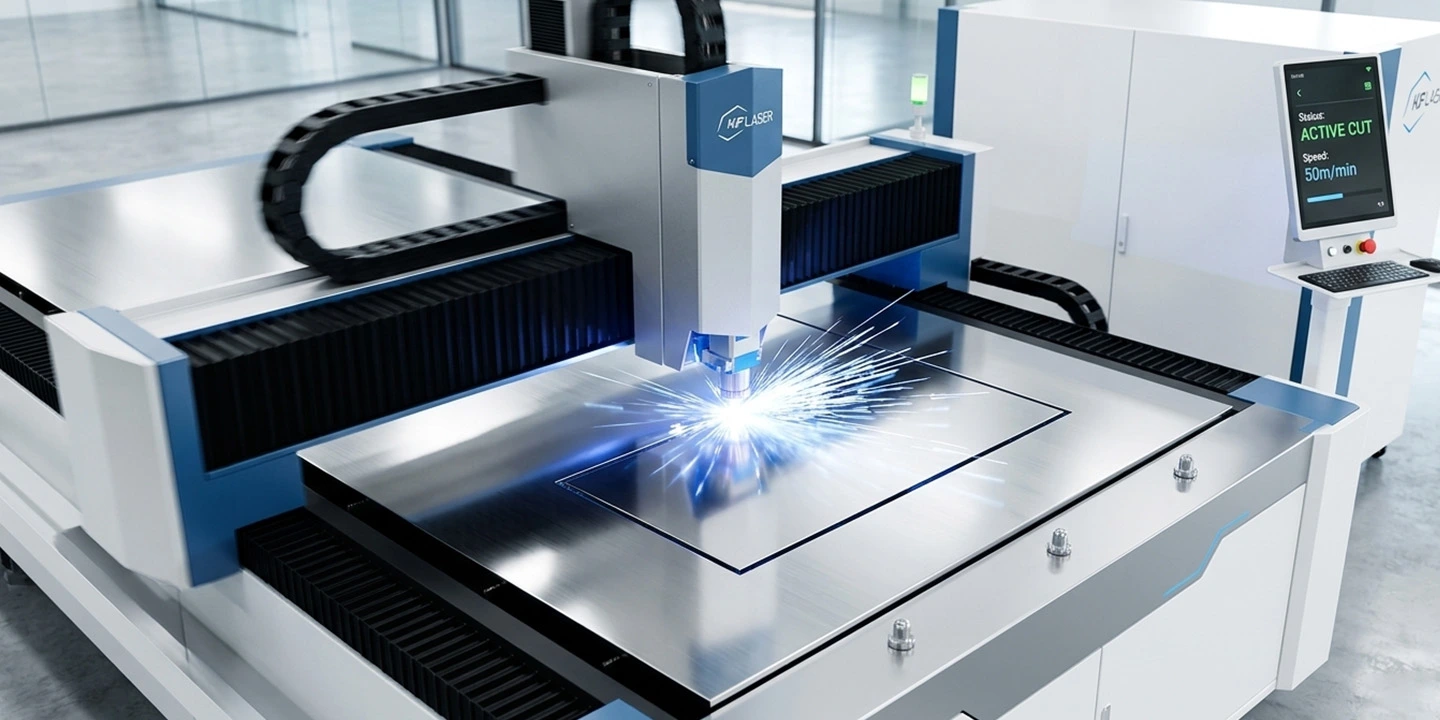
The primary metric for a High-Speed Servo Motor in laser cutting is not just its maximum RPM, but its torque-to-inertia ratio. When a machine performs complex nesting patterns, the High-Speed Servo Motor must accelerate and decelerate the heavy gantry thousands of times per hour.
A premium High-Speed Servo Motor allows for accelerations of 1.5G to 2.5G. This rapid response ensures that the “cornering” quality is maintained. Without a high-torque High-Speed Servo Motor, the laser head would have to slow down excessively at every turn, leading to heat buildup and “over-burn” on the corners of the metal part. By utilizing a synchronized High-Speed Servo Motor setup on the Y-axis (dual-drive), the machine ensures that the gantry stays perfectly perpendicular, even under the most violent directional changes.
3. Durability Under High Load: Heat and Friction Management
A major challenge for any High-Speed Servo Motor is the heat generated during constant micro-adjustments. In an industrial environment, a High-Speed Servo Motor must operate within a safe thermal range to prevent the degradation of its internal magnets and windings.
High-end High-Speed Servo Motor integrations feature dedicated cooling fins or even liquid-cooled housings for ultra-high-power machines. Furthermore, the pairing of the High-Speed Servo Motor with a high-precision planetary gearbox is crucial. A poorly matched gearbox will put excessive radial load on the High-Speed Servo Motor shaft, leading to premature bearing failure.
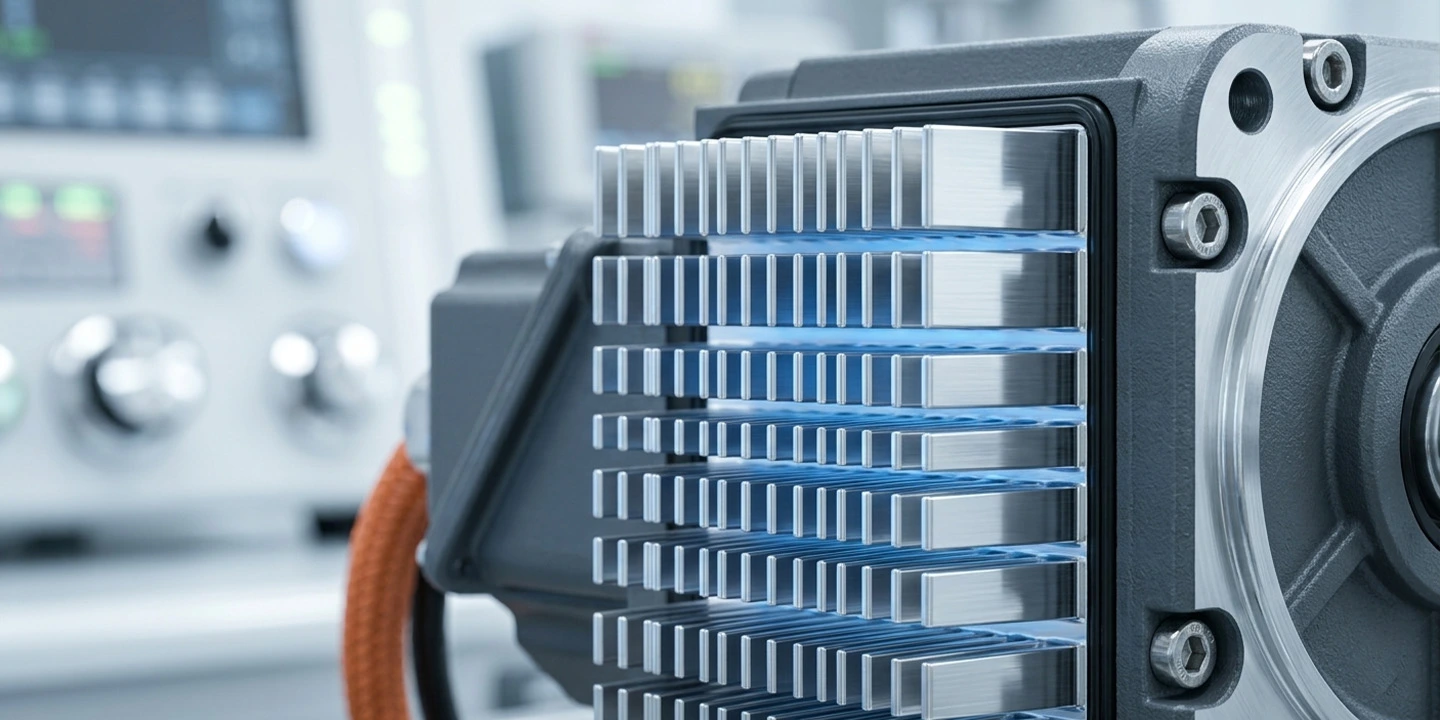
Table 1: High-Speed Servo Motor System Durability Benchmarks
|
Component |
Standard Grade |
Premium High-Speed Servo Motor Grade |
Benefit to Laser Operation |
|
Encoder Resolution |
17-bit |
23-bit or 24-bit |
Superior micro-positioning accuracy. |
|
Acceleration (G) |
0.5G – 0.8G |
1.5G – 2.5G |
Higher throughput and sharper corners. |
|
Max RPM |
3,000 RPM |
5,000 – 6,000 RPM |
Faster rapid traverse speeds (up to 140m/min). |
|
Protection Class |
IP54 |
IP67 (Dust & Oil Proof) |
Essential for long-term industrial durability. |
4. Transmission Synergy: Racks, Pinions, and the Servo Link
Even the most advanced High-Speed Servo Motor is useless without an equally high-quality transmission system. To maintain the accuracy provided by the High-Speed Servo Motor, we utilize helical racks and pinions machined to “Grade 5” or “Grade 6” precision.
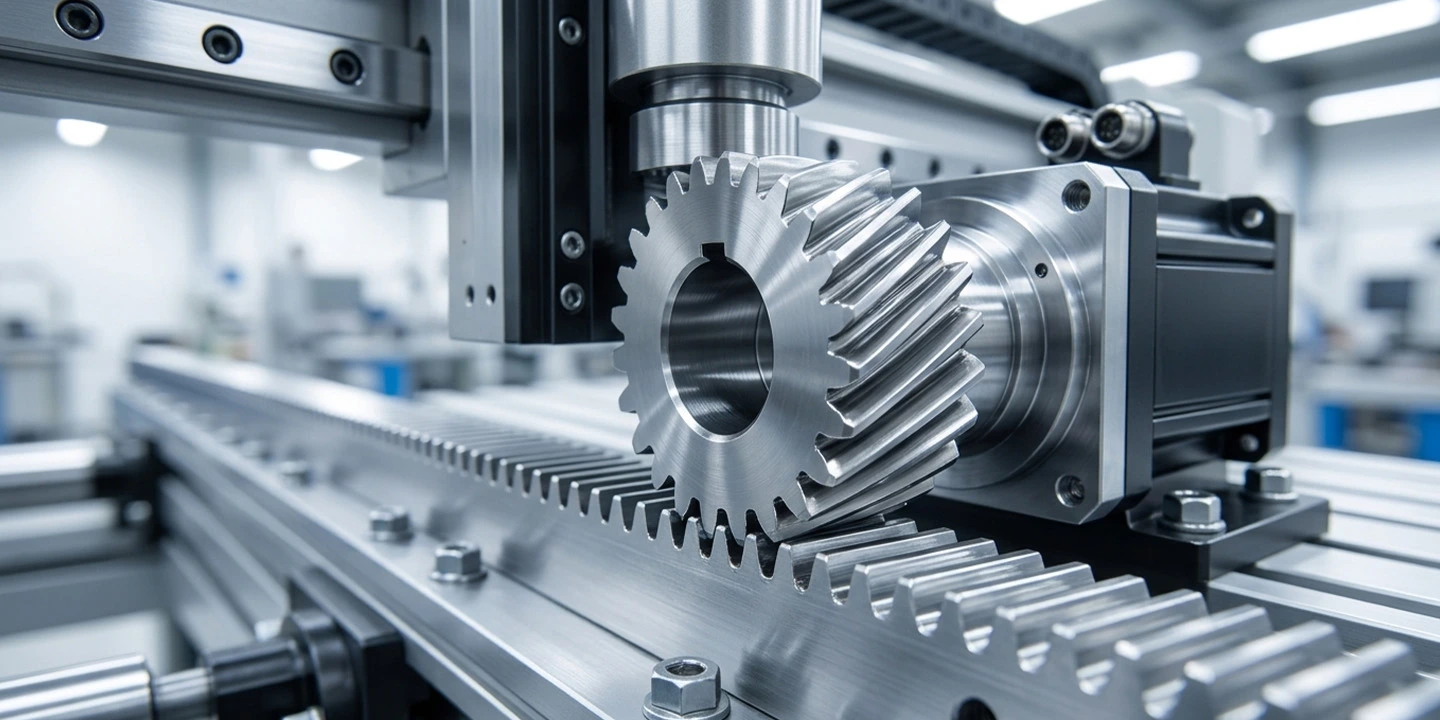
The integration between the High-Speed Servo Motor and the rack must be checked periodically for “backlash.” In 2026, intelligent software algorithms can now compensate for microscopic mechanical wear, micro-adjusting the High-Speed Servo Motor‘s position to ensure that a hole cut today is exactly the same size as a hole cut three years from now. This synergy is what maintains the “repeatability” that international buyers demand from their High-Speed Servo Motor driven equipment.
5. Vibration Suppression and Closed-Loop Feedback
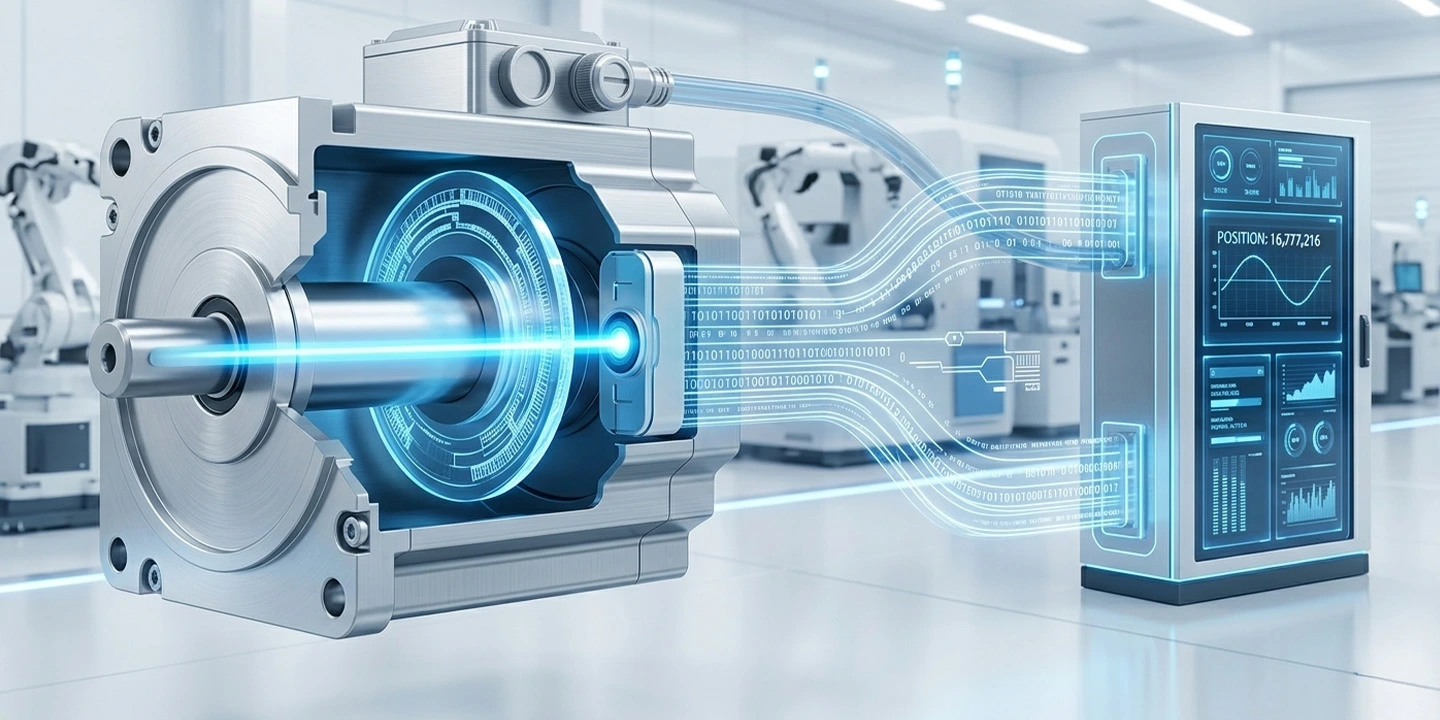
A critical feature of the 2026 High-Speed Servo Motor is “Vibration Suppression.” As the gantry moves, it creates mechanical resonance. A smart High-Speed Servo Motor drive can detect these invisible vibrations and apply an “anti-resonance” frequency in real-time.
By operating in a “Closed-Loop” system, the High-Speed Servo Motor constantly communicates with the CNC controller. If the High-Speed Servo Motor detects that it hasn’t reached its target position due to a mechanical obstruction or plate collision, it triggers an instant emergency stop. This prevents damage to the High-Speed Servo Motor and the expensive cutting head, showcasing the built-in intelligence of modern drive systems.
6. The Role of Bus-Control Communication (EtherCAT)
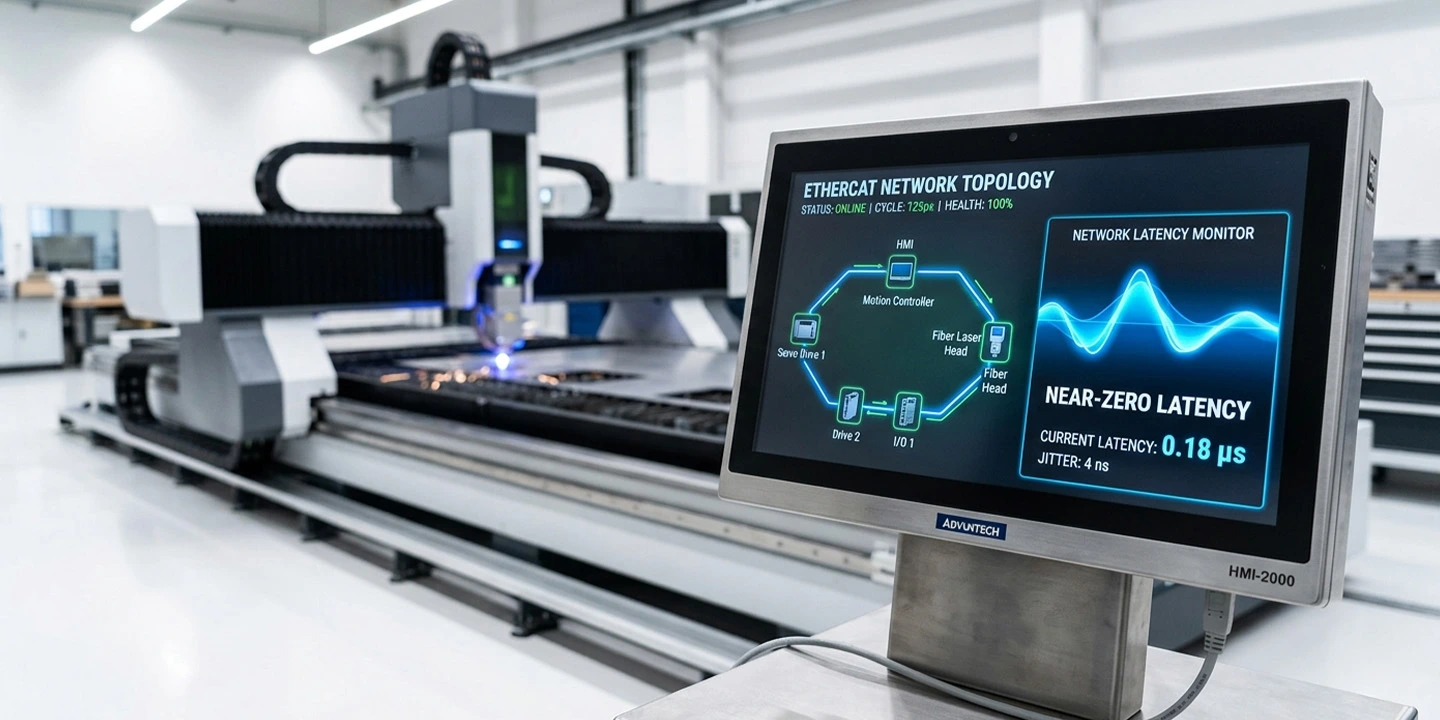
To achieve microsecond-level synchronization, the High-Speed Servo Motor must be connected via an EtherCAT bus system. Unlike traditional “Pulse” control, EtherCAT allows the High-Speed Servo Motor to receive massive amounts of data simultaneously. This is essential for 3D cutting and complex beveling, where five or more High-Speed Servo Motor units must work in perfect harmony to move the laser head through a three-dimensional path.
Table 2: Impact of Control Protocol on High-Speed Servo Motor Performance
|
Protocol |
Latency |
Data Feedback |
High-Speed Servo Motor Coordination |
|
Pulse/Dir |
High |
Limited (Open loop) |
Basic 2D movement. |
|
Analog |
Medium |
Noisy Signal |
Prone to interference. |
|
EtherCAT |
Near-Zero |
Full Real-Time Data |
Complex 5-Axis & High-G Cutting. |
7. Maintenance and Longevity of Drive Hardware
To ensure the High-Speed Servo Motor lasts for its 100,000-hour design life, lubrication is key. Automatic lubrication systems now deliver grease to the racks and guide rails every few kilometers of travel. This reduces the drag on the High-Speed Servo Motor, preventing over-current issues and reducing energy consumption. A well-maintained High-Speed Servo Motor system not only cuts better but also uses up to 15% less electricity than a system struggling against friction.

8. Conclusion: Investing in the Precision of Tomorrow
The selection of a High-Speed Servo Motor system is a commitment to precision. When evaluating laser equipment, looking past the laser power to the drive system is vital. A high-quality High-Speed Servo Motor integration ensures that your machine doesn’t just cut fast, but cuts accurately and reliably for years to come. In the 2026 manufacturing environment, the High-Speed Servo Motor is the ultimate guarantor of your factory’s production quality and mechanical durability.

Top Stories
Product Categories
- Metal Laser Cutter
- Laser Welder Machine
- Laser Cleaner Machine
- Laser Marker Machine
- Press Brake Machine
Get Easy Solution