News
Unveiling the Wonders of Tube Laser Cutting Machines: Revolutionizing Modern Manufacturing
1. Introduction
In the dynamic landscape of modern manufacturing, precision, efficiency, and versatility are the cornerstones of success. Among the array of cutting – edge technologies that have emerged to meet these demands, tube laser cutting machines stand out as a game – changing innovation. These machines have transformed the way industries approach the processing of tubular materials, offering solutions that were once deemed unattainable.
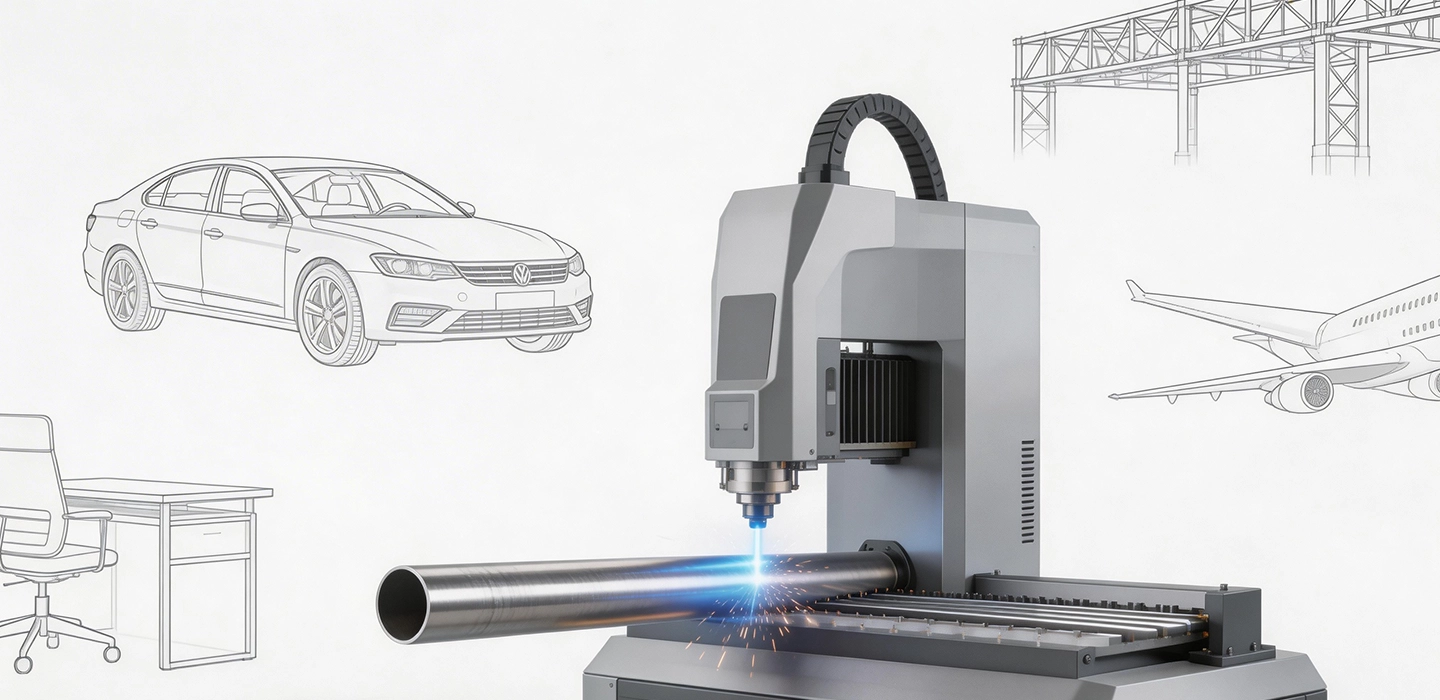
The manufacturing sector has witnessed a paradigm shift in recent years, with an increasing emphasis on producing high – quality products in shorter time frames. Traditional cutting methods, such as mechanical sawing and plasma cutting, often fall short in meeting the stringent requirements of modern manufacturing. They may be plagued by issues like low precision, slow processing speeds, and limited ability to handle complex geometries.
Tube laser cutting machines, on the other hand, have emerged as a savior for manufacturers across various industries. By harnessing the power of laser technology, these machines are capable of achieving micron – level precision, high – speed cutting, and the ability to work with a wide range of tube materials and shapes. Whether it’s in the automotive, aerospace, construction, or furniture industries, tube laser cutting machines have found their niche, becoming an indispensable tool in the production line.
For instance, in the automotive industry, where the demand for lightweight yet strong components is ever – increasing, tube laser cutting machines are used to fabricate intricate parts from high – strength steel and aluminum tubes. These parts not only contribute to fuel efficiency but also enhance the overall performance and safety of vehicles. In the aerospace sector, where precision is non – negotiable, these machines are employed to cut complex shapes in titanium and other exotic alloys used in aircraft structures and engine components.
The construction industry also benefits greatly from tube laser cutting machines. They are used to create custom – designed steel tubes for building frameworks, bridges, and architectural structures. The ability to cut tubes with high precision and complex geometries allows architects and engineers to bring their innovative designs to life, adding a touch of uniqueness to modern buildings.
As we delve deeper into the world of tube laser cutting machines, we will explore their working principles, key features, applications across different industries, and the future trends that are set to shape this remarkable technology.
2. Understanding Tube Laser Cutting Machines
2.1 What is a Tube Laser Cutting Machine?
A tube laser cutting machine is a specialized piece of industrial equipment designed to cut various types of tubes with high precision and efficiency. It operates on the principle of laser ablation, which involves using a high – energy laser beam to melt, vaporize, or chemically change the material of the tube at the point of contact.
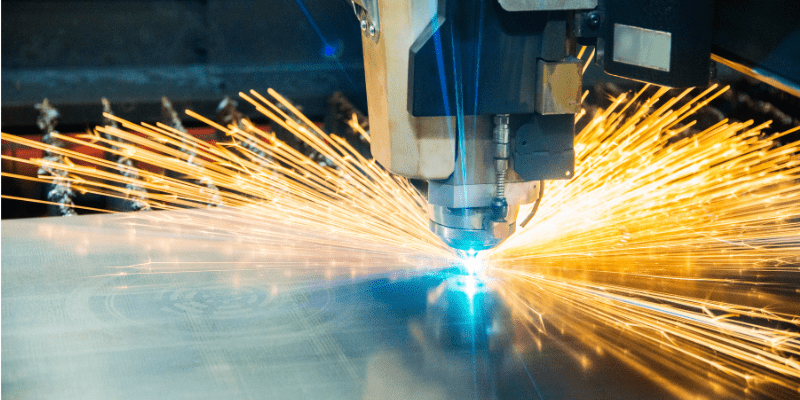
The process begins with the generation of a laser beam within the machine’s laser source. This beam is then directed through a series of optical components, such as mirrors and lenses, which focus and direct the beam onto the surface of the tube. When the focused laser beam hits the tube, the intense heat rapidly raises the temperature of the material to its melting or boiling point. As the material melts or vaporizes, a high – pressure assist gas, such as oxygen, nitrogen, or compressed air, is blown coaxially with the laser beam. This gas serves to expel the molten or vaporized material from the cut area, creating a clean and precise cut.
For example, in a typical metal tube cutting application, the laser beam heats the metal to its melting point. Oxygen, when used as the assist gas, reacts with the molten metal, causing an exothermic reaction that further enhances the cutting process by increasing the temperature and helping to eject the molten material more effectively. This results in a faster and cleaner cut compared to using other gases in some cases.
2.2 Key Components
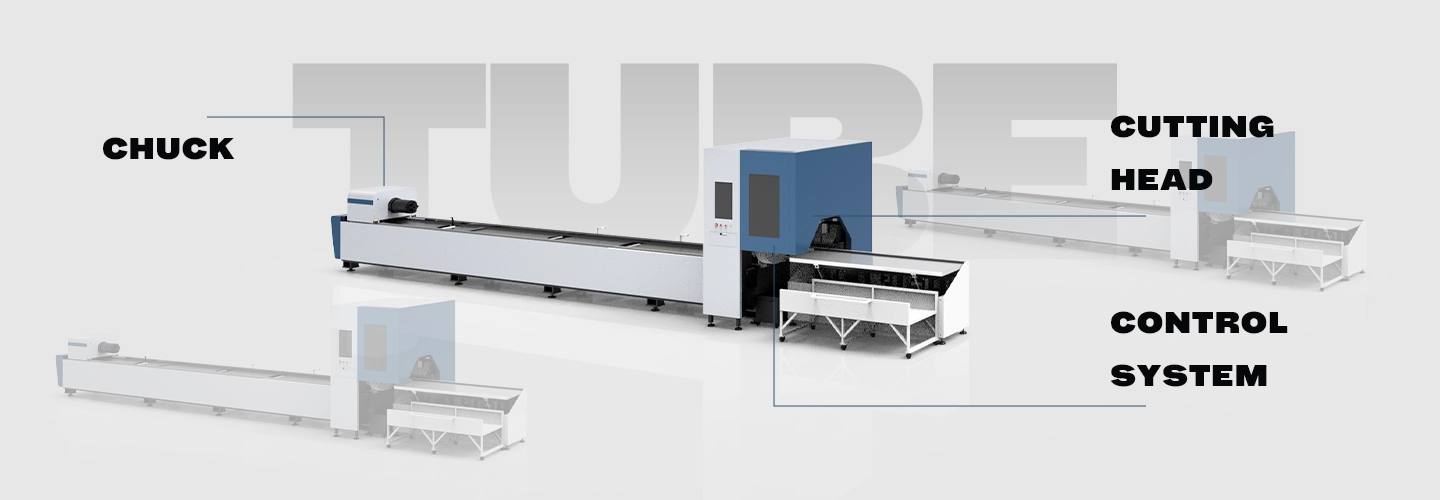
- Lasers: The heart of the tube laser cutting machine, lasers come in different types, with fiber lasers being the most common in modern tube laser cutting applications. Fiber lasers offer high – energy efficiency, high beam quality, and excellent stability. They can generate laser beams with wavelengths in the infrared range, typically around 1064 nm for fiber lasers. This wavelength is well – absorbed by many metals, making them highly effective for cutting applications. For instance, a high – power fiber laser with an output power of 3000W or more can easily cut through thick – walled steel tubes with precision.
- Cutting Head: The cutting head is responsible for delivering the laser beam to the workpiece accurately. It contains optical components like lenses for focusing the laser beam to a small spot size on the tube surface. The cutting head also has a nozzle through which the assist gas is delivered. Some advanced cutting heads are equipped with sensors that can automatically adjust the focus and cutting parameters based on the thickness and material of the tube being cut. This ensures optimal cutting quality throughout the cutting process.
- Worktable: The worktable is designed to hold and position the tubes during the cutting process. It can be a simple stationary table for small – scale operations, but in most industrial – grade tube laser cutting machines, it is a highly precise, motor – driven positioning system. This allows for the accurate movement of the tube relative to the cutting head, enabling complex cutting patterns to be achieved. Some worktables are also equipped with clamping mechanisms to securely hold the tubes in place, preventing any movement during cutting that could lead to inaccuracies.
- Control System: The control system of a tube laser cutting machine is like its brain. It is a computer – based system that allows operators to input cutting parameters such as laser power, cutting speed, gas flow rate, and the geometry of the cut to be made. The control system then precisely controls the movement of the cutting head and the worktable, ensuring that the cutting process is carried out according to the programmed instructions. Modern control systems often feature user – friendly interfaces, touch – screen displays, and the ability to import CAD/CAM files, making it easier for operators to create and execute complex cutting jobs.
2.3 Types of Tube Laser Cutting Machines
- Two – Dimensional (2D) Tube Laser Cutting Machines:
- Characteristics: 2D tube laser cutting machines are capable of cutting tubes in two – dimensional planes. They can perform straight cuts, simple curves, and basic geometric shapes such as circles, squares, and rectangles on the surface of the tube. These machines are relatively more straightforward in design and operation compared to their 3D counterparts. They typically have a lower cost, which makes them an attractive option for small – to medium – sized businesses with less complex cutting requirements.
- Applicable Scenarios: They are widely used in applications where the cutting tasks are relatively simple. For example, in the furniture industry, 2D tube laser cutting machines can be used to cut metal tubes for making chair frames, table legs, and other furniture components. In the construction of simple metal structures like handrails and guardrails, 2D tube laser cutting machines can quickly and accurately cut the tubes to the required lengths and shapes.
- Three – Dimensional (3D) Tube Laser Cutting Machines:
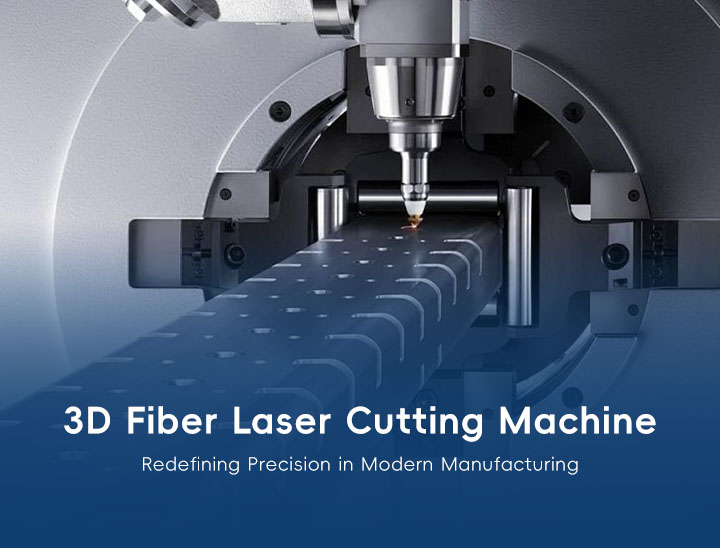
- Characteristics: 3D tube laser cutting machines offer a much higher degree of flexibility and complexity in cutting. They can cut tubes in three – dimensional space, allowing for the creation of complex geometries, bevel cuts, and intersecting cuts. These machines usually have multiple axes of motion, such as X, Y, Z, A, and B axes, which enable the cutting head to move and rotate in different directions around the tube. This allows for the production of highly intricate parts with precise angles and shapes.
- Applicable Scenarios: In the aerospace industry, 3D tube laser cutting machines are used to cut complex – shaped titanium and aluminum tubes for aircraft engine components, wing structures, and fuselage frames. The automotive industry also benefits from 3D tube laser cutting machines when manufacturing parts like exhaust systems, suspension components, and roll cages, where complex bends and cuts are required to ensure a perfect fit and optimal performance.
3. The Working Principle of Tube Laser Cutting Machines
3.1 Laser Generation and Transmission
The generation of laser in a tube laser cutting machine begins with the laser source. In most modern tube laser cutting setups, fiber lasers are commonly utilized. Fiber lasers operate based on the principle of stimulated emission. Inside the laser source, a gain medium, typically a rare – earth – doped optical fiber (such as ytterbium – doped fiber), is pumped by an external energy source, usually a high – power diode laser.
When the pump energy is supplied, the electrons in the atoms of the gain medium are excited from their ground state to a higher – energy state. These excited electrons then return to the ground state in a stimulated manner, emitting photons in the process. These photons have the same frequency, phase, and direction, which results in the generation of a highly coherent and intense laser beam.
Once the laser beam is generated, it needs to be transmitted to the cutting head. This is achieved through a series of optical components. First, the laser beam is guided through optical fibers. Optical fibers are designed to efficiently transmit the laser beam over long distances with minimal loss. The core of the optical fiber is made of a material with a high refractive index, surrounded by a cladding with a lower refractive index. This refractive index difference enables total internal reflection, keeping the laser beam confined within the core of the fiber as it travels towards the cutting head.
At the end of the optical fiber, the laser beam enters the cutting head. Inside the cutting head, mirrors are used to redirect the laser beam. These mirrors are precisely aligned to ensure that the laser beam is directed accurately towards the focusing lens. The focusing lens is a crucial component as it converges the laser beam to a small spot size on the surface of the tube. The smaller the spot size, the higher the power density of the laser beam at the point of contact with the tube, which is essential for efficient cutting. For example, a well – designed focusing lens in a tube laser cutting machine can focus a laser beam to a spot size of less than 0.1 mm, providing extremely high power density for cutting even the toughest materials.
3.2 Interaction between Laser and Material
When the focused laser beam hits the surface of the tube, a complex interaction between the laser and the material takes place. The first stage is heating. The intense energy of the laser beam is rapidly absorbed by the tube material. Since the laser beam has a high power density, it can quickly raise the temperature of the material in a very small area.
For metals, which are good conductors of heat, the heat is initially concentrated at the surface where the laser beam is incident. As the temperature rises, the material reaches its melting point. This is the melting stage. Once the material has melted, the assist gas, which is being blown coaxially with the laser beam, comes into play. For example, when cutting steel tubes, oxygen is often used as the assist gas. Oxygen reacts with the molten steel in an exothermic reaction. This reaction not only provides additional heat to the cutting process but also helps to eject the molten material from the cut area.
As the melting and reaction with the assist gas continue, the material may reach its boiling point, entering the vaporization stage. Vaporization of the material further aids in the cutting process as the vaporized material is easily blown away by the high – pressure assist gas. The continuous melting, vaporization, and expulsion of the material by the assist gas result in the formation of a kerf, or the cut path, in the tube.
The process of removing the molten and vaporized material, known as 排渣,is crucial for maintaining a clean and precise cut. If the molten material is not effectively removed, it can resolidify on the sides of the cut, leading to a rough cut surface and reduced cutting quality. The high – pressure assist gas ensures that the molten and vaporized material is quickly and efficiently removed from the cut area, leaving behind a smooth and accurate cut edge.
3.3 Precision Control Systems
Precision control systems are the backbone of a tube laser cutting machine, ensuring that the cutting process is carried out with utmost accuracy and stability. These control systems are typically computer – based and are responsible for controlling various aspects of the cutting process.
One of the key functions of the control system is to precisely control the movement of the cutting head and the worktable. It uses servo – motors and high – precision linear guides to achieve accurate positioning. The control system can translate the cutting patterns, which are often designed using CAD/CAM software, into precise movement instructions for the machine components. For example, if a complex 3D cutting pattern is designed for a tube, the control system will calculate the exact position of the cutting head at each point along the cut path and send the appropriate signals to the servo – motors to move the cutting head accordingly.
The control system also monitors and adjusts the cutting parameters in real – time. It can sense changes in the material properties, such as thickness variations in the tube, and automatically adjust the laser power, cutting speed, and assist gas flow rate to maintain optimal cutting conditions. This real – time adjustment is crucial for ensuring consistent cutting quality throughout the cutting process.
In addition, modern tube laser cutting machines are often equipped with advanced sensors. These sensors can detect factors such as the distance between the cutting head and the tube surface, the quality of the laser beam, and the presence of any obstacles. The control system uses the data from these sensors to make immediate adjustments, preventing errors and ensuring the safety and efficiency of the cutting process. For instance, if a sensor detects that the cutting head is too close to the tube surface, the control system can automatically adjust the height of the cutting head to avoid collisions. Overall, the precision control system plays a vital role in enabling tube laser cutting machines to achieve the high – precision and high – quality cuts that are demanded by modern industries.
4. Advantages of Tube Laser Cutting Machines
4.1 High Precision
Tube laser cutting machines are renowned for their ability to achieve extremely high precision in cutting operations. This precision is primarily attributed to the nature of the laser beam itself. The laser beam can be focused to a very small spot size, often in the range of a few tens of microns. For example, in a high – end tube laser cutting machine, the laser beam can be focused to a spot diameter of as small as 0.05 mm. This high – power – density laser beam interacts with the tube material in a highly controlled manner, resulting in minimal heat – affected zones and extremely accurate cut edges.
In the production of medical devices, where precision is of utmost importance, tube laser cutting machines play a crucial role. For instance, when manufacturing surgical instruments made from stainless – steel tubes, the high precision of the tube laser cutting machine ensures that the dimensions of the components are within tight tolerances. The cutting accuracy can be maintained within ±0.02 mm, which is essential for the proper functioning of the surgical instruments. In the aerospace industry, when cutting tubes for aircraft engine components, the precision of tube laser cutting machines allows for the creation of parts with complex geometries and extremely tight tolerances. This ensures that the components fit together perfectly, reducing the risk of mechanical failures and enhancing the overall performance and safety of the aircraft.
4.2 High Efficiency
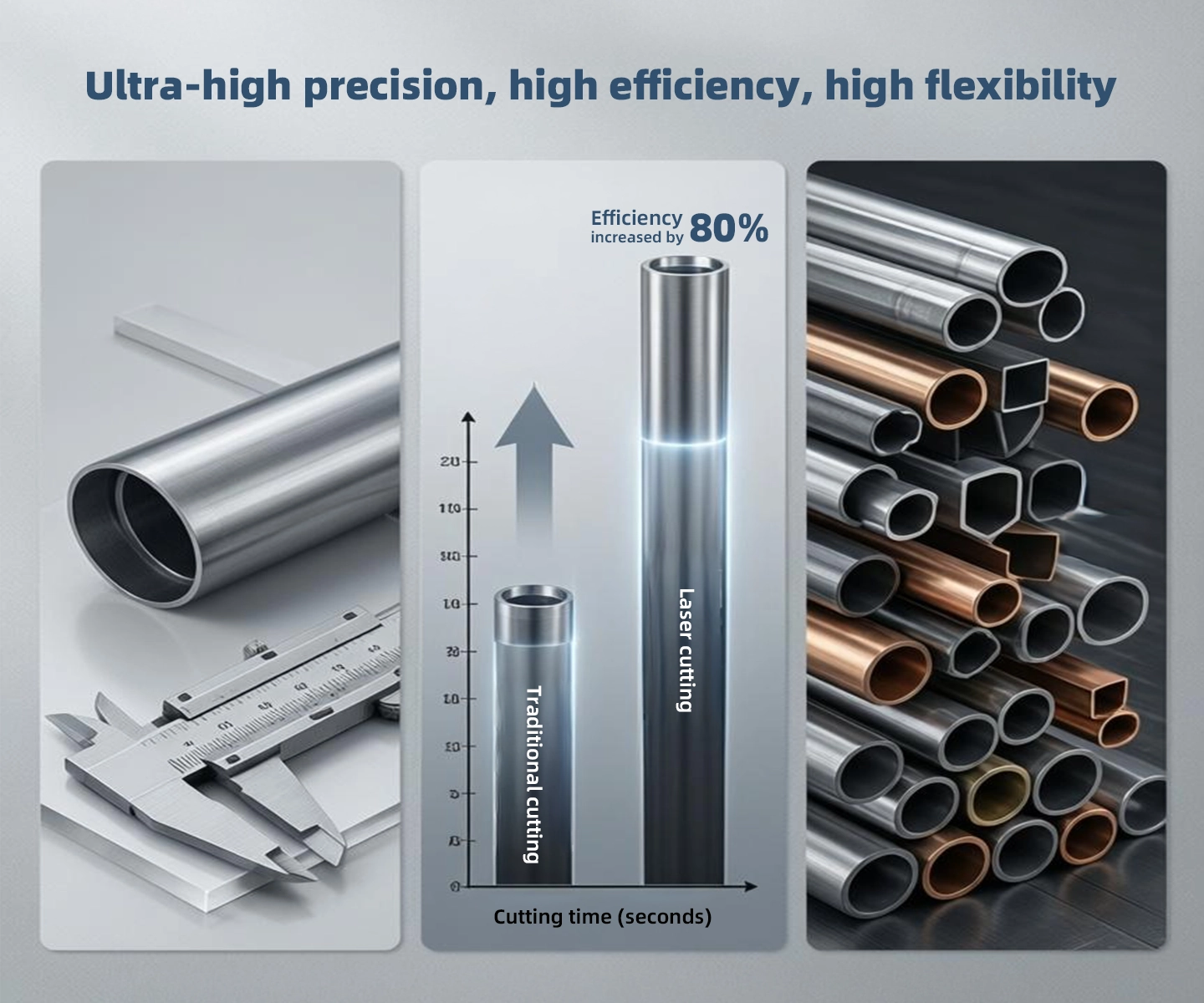
The efficiency of tube laser cutting machines is a significant advantage that makes them highly desirable in modern manufacturing. These machines can achieve high cutting speeds due to the high – energy density of the laser beam. For example, when cutting thin – walled aluminum tubes with a thickness of 1 – 2 mm, a tube laser cutting machine can achieve a cutting speed of up to 10 – 15 meters per minute. This is significantly faster than traditional cutting methods such as mechanical sawing, which would take much longer to complete the same cut.
Moreover, tube laser cutting machines often come with high – level automation features. They can be integrated with automated loading and unloading systems, as well as advanced control systems. These automated systems can continuously feed tubes into the machine for cutting and remove the finished parts without the need for constant human intervention. For instance, in a large – scale automotive manufacturing plant, a tube laser cutting machine with an automated loading system can process hundreds of tubes in an hour, greatly increasing the production output. The control systems also enable quick change – overs between different cutting jobs. Operators can simply input new cutting parameters or load a new CAD/CAM file, and the machine can start a new cutting task within minutes, further reducing the downtime and enhancing the overall production efficiency.
4.3 Versatility
Tube laser cutting machines are highly versatile, capable of working with a wide range of tube materials and shapes. In terms of materials, they can effectively cut metals such as steel (including carbon steel, stainless steel), aluminum, copper, and titanium. They can also handle some non – metallic materials like plastics and composite materials, although the cutting parameters may need to be adjusted accordingly. For example, when cutting carbon – fiber – reinforced plastic (CFRP) tubes, the laser power and cutting speed need to be carefully optimized to avoid damaging the composite structure.
Regarding the shapes of tubes, tube laser cutting machines can handle round tubes, square tubes, rectangular tubes, elliptical tubes, and even more complex custom – shaped tubes. They can perform a variety of cutting operations, including straight cuts, bevel cuts, curved cuts, and the creation of holes and slots of different sizes and shapes on the tube surface. In the furniture industry, tube laser cutting machines are used to cut metal tubes of various shapes for creating unique and stylish furniture designs. They can cut round tubes for chair legs with decorative holes and square tubes for table frames with angled cuts, providing manufacturers with the flexibility to bring their creative ideas to life. In the construction of architectural structures, tube laser cutting machines can cut complex – shaped steel tubes to meet the design requirements of modern, innovative buildings.
4.4 Low Waste and Cost – effectiveness
One of the significant advantages of tube laser cutting machines is their ability to minimize material waste. The narrow kerf width produced by the laser cutting process means that less material is removed during cutting compared to traditional methods. For example, in a plasma cutting process, the kerf width can be relatively wide, typically around 2 – 3 mm for medium – thickness metal tubes. In contrast, a tube laser cutting machine can achieve a kerf width of less than 1 mm for the same tube thickness. This reduction in kerf width results in more efficient use of the tube material, as less material is wasted in the form of cut – off pieces.
Moreover, the high precision of tube laser cutting machines reduces the need for secondary processing operations. Since the cut edges are smooth and accurate, there is often no need for additional grinding, filing, or finishing operations to meet the required quality standards. This not only saves time but also reduces the associated costs of labor and additional processing equipment. In the long run, the reduced material waste and lower need for secondary processing contribute to overall cost – effectiveness. For a manufacturing company that processes large volumes of tubes, these cost savings can be substantial over time, improving the company’s profitability and competitiveness in the market.
5. Applications of Tube Laser Cutting Machines
5.1 Automotive Industry
In the automotive industry, tube laser cutting machines have become an essential part of the manufacturing process, playing a crucial role in enhancing the performance, safety, and aesthetics of vehicles.
One of the primary applications is in the production of automotive frames. The frame serves as the backbone of a vehicle, providing structural support and ensuring the integrity of the entire assembly. Tube laser cutting machines are used to cut high – strength steel tubes with precision, creating complex shapes and geometries required for the frame components. For example, the cross – members and side – rails of a car frame often need to have precise cutouts for mounting various components such as the engine, suspension, and body panels. The high – precision cutting ability of tube laser cutting machines allows for tight tolerances, ensuring a perfect fit of all frame parts. This not only improves the structural rigidity of the vehicle but also contributes to better handling and safety.
Automotive exhaust systems also benefit significantly from tube laser cutting technology. Exhaust pipes need to be cut accurately to ensure proper fitment and optimal exhaust flow. Tube laser cutting machines can cut the tubes for exhaust systems with high precision, creating smooth cut edges that reduce turbulence in the exhaust flow. This results in improved engine performance, reduced emissions, and enhanced fuel efficiency. Additionally, the ability to cut complex shapes and angles in the exhaust tubes allows for better integration with the vehicle’s underbody, minimizing the risk of interference with other components.
Moreover, tube laser cutting machines are used in the production of interior components such as roll cages in sports cars and SUVs. Roll cages are designed to protect the occupants in the event of a roll – over accident. These cages are made from high – strength steel tubes that are cut and welded together. Tube laser cutting machines can cut the tubes with the required angles and lengths, enabling the creation of a strong and precisely – fitting roll cage structure. The high – speed cutting capabilities of these machines also contribute to increased production efficiency, allowing automotive manufacturers to meet the high – volume demands of the market.
5.2 Aerospace Industry
In the aerospace industry, where precision, reliability, and weight reduction are of utmost importance, tube laser cutting machines have emerged as a revolutionary technology.
Aircraft structures are made up of numerous components, many of which are fabricated from tubes. Tube laser cutting machines are used to cut a variety of materials, including titanium, aluminum, and advanced composite materials, with extreme precision. For example, in the manufacturing of aircraft wing structures, the tubes used for the internal framework need to be cut with micron – level accuracy. The high – precision cutting capabilities of tube laser cutting machines ensure that the parts fit together perfectly, reducing the need for additional machining and assembly processes. This not only saves time and cost but also improves the overall structural integrity of the wing.
Engine components in aircraft also rely on tube laser cutting technology. The tubes used in engine manifolds, fuel lines, and exhaust systems require precise cuts to ensure proper functionality. Titanium, which is widely used in aerospace applications due to its high strength – to – weight ratio and excellent corrosion resistance, can be difficult to machine using traditional methods. Tube laser cutting machines, however, can cut titanium tubes with ease, creating clean and accurate cuts without causing significant heat – affected zones. This is crucial for maintaining the mechanical properties of the titanium components, as any degradation in material properties could have serious consequences for engine performance and safety.
Another area where tube laser cutting machines are invaluable in the aerospace industry is in the production of complex – shaped parts for aircraft interiors. These parts, such as the frames for overhead luggage compartments and seat structures, often require intricate cuts and bends. Tube laser cutting machines can achieve these complex geometries with high precision, enabling the creation of lightweight and ergonomic designs. The ability to work with different types of materials, including composite materials, also allows aerospace manufacturers to explore new design possibilities, further enhancing the performance and comfort of aircraft.
5.3 Construction Industry
The construction industry has witnessed a significant transformation with the adoption of tube laser cutting machines. These machines have become indispensable in the fabrication of steel structures and architectural elements.
In steel – framed construction, tube laser cutting machines are used to cut steel tubes for columns, beams, and trusses. The high – precision cutting capabilities of these machines ensure that the steel tubes are cut to the exact dimensions required for the construction project. This eliminates the need for on – site adjustments and reduces the amount of waste generated during the construction process. For example, in the construction of a high – rise building, the steel columns and beams need to be fabricated with tight tolerances to ensure the stability and safety of the structure. Tube laser cutting machines can cut the steel tubes with an accuracy of ±0.1 mm, providing the necessary precision for a seamless construction process.
Architectural structures often feature complex and unique designs, and tube laser cutting machines play a crucial role in bringing these designs to life. They can cut steel tubes into intricate shapes and patterns, allowing architects to create visually stunning buildings. For instance, in the construction of modern bridges, tube laser cutting machines are used to cut the steel tubes for the bridge’s support structures, which may have complex curved shapes and intersecting elements. The ability to cut these tubes with precision ensures the structural integrity of the bridge while also enhancing its aesthetic appeal.
In addition to structural components, tube laser cutting machines are also used in the production of building facades and decorative elements. Stainless – steel tubes can be cut and shaped to create unique patterns and designs for building facades, adding a touch of elegance and modernity to the architecture. These machines can also be used to cut tubes for interior decorative elements such as handrails, balustrades, and partition systems. The high – speed cutting and versatility of tube laser cutting machines enable construction companies to produce these decorative elements efficiently and cost – effectively.
5.4 Furniture and Decorative Industry
The furniture and decorative industry has embraced tube laser cutting machines as a means of creating innovative and high – quality products.
In the furniture manufacturing sector, tube laser cutting machines are used to cut metal tubes for a wide range of furniture pieces. For example, in the production of modern – style chairs and tables, metal tubes are often used as the framework. Tube laser cutting machines can cut the tubes with precision, creating clean and smooth edges. This not only improves the aesthetics of the furniture but also ensures the stability and durability of the products. The ability to cut complex shapes and patterns on the tubes allows furniture designers to create unique and eye – catching designs. For instance, decorative holes and patterns can be cut into the metal tubes of a chair frame, adding a touch of style and sophistication to the furniture.
In the production of decorative items, tube laser cutting machines offer endless possibilities. Metal tubes can be cut and shaped into various forms, such as decorative screens, wall art, and lamp stands. The high – precision cutting capabilities of these machines enable the creation of intricate and detailed designs. For example, a decorative screen made from metal tubes can have complex geometric patterns cut into it, creating a beautiful and functional piece of art. These decorative items can be used in both residential and commercial settings, adding a unique and personalized touch to the interior decor.
Moreover, tube laser cutting machines can work with different types of metals, including stainless steel, aluminum, and copper, each with its own unique aesthetic properties. Stainless – steel tubes, for example, offer a sleek and modern look, while copper tubes add a warm and rustic charm. The ability to choose from a variety of materials allows furniture and decorative item manufacturers to cater to different customer preferences and design trends.
6. Choosing the Right Tube Laser Cutting Machine
6.1 Consider Your Production Needs
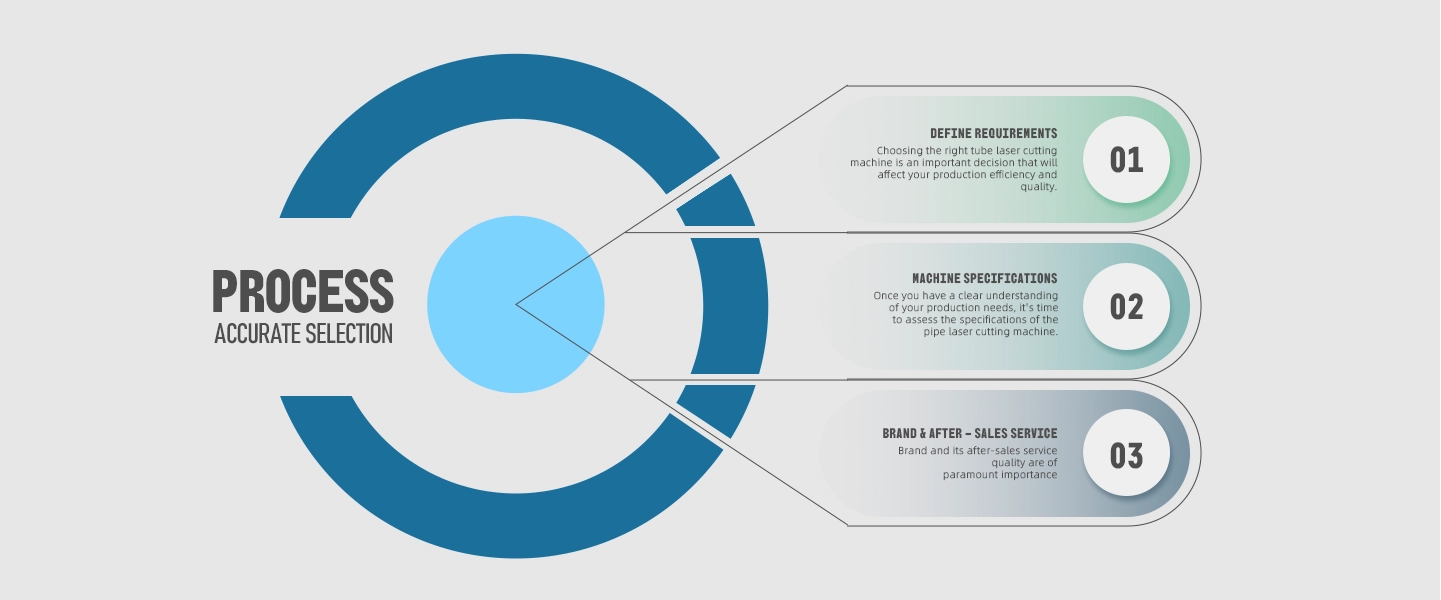
Selecting the appropriate tube laser cutting machine is a crucial decision that can significantly impact the efficiency and quality of your production processes. The first step in this process is to carefully consider your production needs.
Begin by assessing the types of tubes you will be working with. This includes their materials, such as steel, aluminum, copper, or non – metallic materials like plastics. Different materials have varying properties, and the laser cutting machine must be able to handle these differences effectively. For example, cutting aluminum requires a different set of laser parameters compared to steel due to aluminum’s high reflectivity and thermal conductivity.
The dimensions of the tubes are also a critical factor. Measure the outer diameter, inner diameter, and wall thickness of the tubes you commonly use. If you deal with a wide range of tube sizes, you may need a machine with a large working envelope and adjustable clamping mechanisms to accommodate different diameters. For instance, if you are in the construction industry and often work with large – diameter steel tubes for building frameworks, you will need a tube laser cutting machine with a robust design and a large – capacity worktable to handle these bulky materials.
Cutting precision requirements should not be overlooked. If your production demands high – precision cuts, such as in the aerospace or medical device industries, you need to choose a machine that can achieve micron – level accuracy. On the other hand, if your applications are less demanding in terms of precision, a machine with a lower – precision rating may be sufficient, which can also be more cost – effective.
Production volume is another aspect to consider. If you have high – volume production requirements, you should look for a tube laser cutting machine with high – speed cutting capabilities and advanced automation features. Automated loading and unloading systems can significantly increase productivity by reducing the time spent on manual material handling. For example, in an automotive manufacturing plant that produces a large number of exhaust system components, a tube laser cutting machine with an automated feeding system can process a large volume of tubes in a short period.
6.2 Evaluate Machine Specifications
Once you have a clear understanding of your production needs, it’s time to evaluate the specifications of tube laser cutting machines.
Laser Power: Laser power is a fundamental specification that directly affects the cutting ability of the machine. Higher – power lasers can cut through thicker materials more quickly. For example, a 3000W fiber laser can cut through 10 – 12mm thick steel tubes with relative ease, while a 1000W laser may struggle with materials thicker than 5 – 6mm. However, higher – power lasers also consume more energy and come at a higher cost. So, you need to balance your cutting requirements with energy consumption and budget constraints.
Cutting Speed: The cutting speed of a tube laser cutting machine is another crucial factor. It is influenced by factors such as laser power, material type, and thickness. As a general rule, the higher the laser power and the thinner the material, the faster the cutting speed. For instance, when cutting 2mm thick aluminum tubes, a high – end tube laser cutting machine can achieve a cutting speed of up to 20 – 30 meters per minute. A fast – cutting machine can significantly improve production efficiency, but it’s important to ensure that the high – speed cutting does not compromise the cutting quality.
Positioning Accuracy: Positioning accuracy determines how precisely the cutting head can be positioned relative to the tube. High – precision machines typically have positioning accuracies in the range of ±0.02 – ±0.05mm. In applications where tight tolerances are required, such as in the production of precision mechanical components, a machine with high – positioning accuracy is essential. Even a small deviation in positioning can lead to parts that do not fit together properly, resulting in increased waste and production costs.
Axis Configuration: Tube laser cutting machines can have different axis configurations, such as 2 – axis, 3 – axis, 4 – axis, or even more. The number of axes determines the machine’s ability to perform complex cuts. A 2 – axis machine can perform basic straight cuts and simple curves, while a 3 – axis machine can handle more complex 3D geometries. In industries like aerospace and automotive, where complex – shaped parts are common, 4 – axis or 5 – axis tube laser cutting machines are often required to achieve the necessary cuts.
6.3 Brand and After – sales Service
The brand of the tube laser cutting machine and the quality of its after – sales service are often overlooked but are of utmost importance.
Well – known brands usually have a reputation for producing reliable and high – quality machines. Brands with a long – standing presence in the market have often invested heavily in research and development, resulting in machines that incorporate the latest technological advancements. For example, companies like Trumpf, Bystronic, and 大族激光 (Han’s Laser) are globally recognized for their high – quality laser cutting equipment. These brands have a track record of manufacturing machines that offer excellent performance, stability, and long – term reliability.
After – sales service is equally crucial. A machine, no matter how well – built, may encounter issues during its operation. A good after – sales service team can provide timely technical support, spare parts replacement, and maintenance services. They can quickly respond to any breakdowns, minimizing the downtime of your production line. When evaluating after – sales service, consider factors such as the availability of local service centers, the response time of the service team, and the cost of spare parts. A brand that offers 24/7 technical support and has a wide network of service centers is more likely to meet your needs in case of machine failures.
In addition, some brands offer training programs for machine operators. These training programs can help your staff to operate the machine safely and efficiently, maximizing the machine’s potential and reducing the risk of operator – error – related issues. So, when choosing a tube laser cutting machine, don’t just focus on the machine’s specifications but also on the brand’s reputation and the quality of its after – sales service.
7. Maintenance and Troubleshooting of Tube Laser Cutting Machines
7.1 Regular Maintenance
Regular maintenance is crucial for ensuring the optimal performance and longevity of tube laser cutting machines. Here are some essential maintenance practices:
- Cleaning:
- External Cleaning: Regularly clean the exterior of the tube laser cutting machine with a soft, dry cloth to remove dust, debris, and any accumulated dirt. This not only keeps the machine looking presentable but also prevents the ingress of contaminants into the internal components. For example, dust can clog air vents, leading to overheating issues. In a manufacturing environment where there is a lot of metal shavings and dust, daily cleaning of the machine’s exterior is highly recommended.
- Internal Cleaning: Periodically open the machine’s enclosure (following proper safety procedures) and use a vacuum cleaner with a soft brush attachment to clean the internal components. Pay special attention to areas around the laser source, cutting head, and optical components. Accumulated dust on these parts can affect the quality of the laser beam and the overall cutting performance. For instance, dust on the mirrors can cause the laser beam to scatter, reducing the cutting precision.
- Lubrication:
- Moving Parts: The moving parts of the tube laser cutting machine, such as the linear guides, ball screws, and joints, require regular lubrication. Use high – quality lubricants recommended by the machine manufacturer. For example, linear guides should be lubricated every few weeks, depending on the machine’s usage frequency. Proper lubrication reduces friction between moving parts, which in turn reduces wear and tear and ensures smooth operation. This helps to maintain the machine’s positioning accuracy over time.
- Rotary Joints: If the machine has rotary joints, such as those in the workpiece handling system, they also need to be lubricated regularly. These joints are often subjected to high – speed rotation and heavy loads, so adequate lubrication is essential to prevent premature failure.
- Checking Key Components:
- Lasers: Regularly check the laser source for any signs of overheating, abnormal noise, or reduced power output. Monitor the laser’s operating parameters, such as current and voltage, to detect any deviations from the normal range. If the laser power starts to decline, it could be due to issues like a degraded laser diode or a problem with the cooling system. In such cases, it may be necessary to replace the faulty components or perform maintenance on the cooling system.
- Cutting Head: Inspect the cutting head for any signs of damage, such as a cracked lens or a clogged nozzle. The focusing lens in the cutting head should be kept clean and free from scratches. A dirty or scratched lens can cause the laser beam to defocus, resulting in poor cutting quality. The nozzle should be checked for any blockages, as a clogged nozzle can disrupt the flow of the assist gas and affect the cutting process. Replace the lens and nozzle if they are damaged or worn out.
- Worktable and Clamping Devices: Check the worktable for any signs of warping or unevenness. Uneven worktables can lead to inaccurate positioning of the tubes during cutting. Inspect the clamping devices to ensure they are functioning properly and can securely hold the tubes in place. Loose clamping devices can cause the tube to move during cutting, resulting in poor – quality cuts. Tighten or replace any faulty clamping components as needed.
7.2 Common Problems and Solutions
Despite regular maintenance, tube laser cutting machines may encounter some common problems. Here are some of these issues and their possible solutions:
- Cutting Quality Degradation:
- Problem: The cut edges are rough, with burrs or dross adhering to them.
- Solution: This could be due to several factors. First, check the laser power and cutting speed settings. If the laser power is too low or the cutting speed is too high for the material and thickness being cut, it can result in incomplete melting and removal of the material, leading to rough edges. Adjust the laser power and cutting speed to the optimal values for the specific material and thickness. Additionally, check the assist gas pressure and flow rate. Insufficient assist gas can prevent the proper ejection of molten material, causing burrs and dross. Ensure that the assist gas supply is functioning correctly and that the pressure and flow rate are within the recommended range. Another possible cause is a dirty or damaged cutting head. Clean the cutting head, including the lens and nozzle, or replace them if they are damaged.
- Problem: The cut width is inconsistent or wider than expected.
- Solution: This may be caused by a misaligned cutting head or a problem with the laser beam focus. Check the alignment of the cutting head and adjust it if necessary. The focusing lens may also need to be checked and adjusted to ensure that the laser beam is focused accurately on the tube surface. In some cases, the problem could be related to the machine’s control system. Calibrate the control system to ensure that the cutting parameters are being accurately executed.
- Device Operation Abnormalities:
- Problem: The machine makes unusual noises during operation.
- Solution: Unusual noises can indicate problems with the moving parts of the machine. Check the linear guides, ball screws, and motors for any signs of wear, misalignment, or loose components. Lubricate the moving parts if they are dry. If the noise persists, it may be necessary to replace the faulty components. For example, a worn – out bearing in a motor can cause a loud, grinding noise.
- Problem: The machine stops working suddenly or experiences frequent breakdowns.
- Solution: This could be due to a power supply issue, a malfunctioning control system, or a problem with the laser source. First, check the power supply to ensure that it is providing the correct voltage and current. If the power supply is stable, then check the control system for error messages or faults. The control system may need to be rebooted or the software updated. If the problem persists, it may be necessary to contact the machine manufacturer’s technical support team to diagnose and repair the issue, especially if it is related to the laser source, which is a complex and sensitive component.
8. Future Trends in Tube Laser Cutting Technology

8.1 Advancements in Laser Technology
The future of tube laser cutting technology is closely intertwined with the advancements in laser technology itself. One of the most prominent trends is the development of lasers with higher power. Higher – power lasers offer several advantages in tube cutting applications. For example, they can cut through thicker – walled tubes at significantly faster speeds. Currently, fiber lasers with powers up to 6000W or even higher are becoming more prevalent in the market. With such high – power lasers, industries that deal with thick – walled steel or other tough materials, like the construction and heavy – equipment manufacturing industries, can expect a substantial boost in productivity. A 6000W fiber laser can cut through 20 – 25mm thick steel tubes much more quickly compared to lower – power lasers, reducing the processing time for large – scale projects.
Another area of development is in lasers with shorter pulse widths, such as picosecond and femtosecond lasers. These ultra – short – pulse lasers are revolutionizing the field of tube laser cutting, especially when it comes to processing materials that are sensitive to heat. In the electronics industry, where precision cutting of small – diameter tubes made of materials like copper and aluminum is crucial for manufacturing components such as heat sinks and micro – fluidic channels, ultra – short – pulse lasers can achieve extremely high – precision cuts with minimal heat – affected zones. The short pulse widths mean that the heat is concentrated in a very short period, reducing the amount of heat that is transferred to the surrounding material. This results in cleaner cuts, better edge quality, and the ability to cut complex geometries without damaging the integrity of the material.
Furthermore, the development of more efficient laser sources is on the horizon. Scientists and engineers are constantly researching new materials and designs for laser gain media to improve the energy efficiency of lasers. A more energy – efficient laser not only reduces the operational costs of tube laser cutting machines but also makes them more environmentally friendly. For instance, new types of doped – fiber materials are being explored to increase the conversion efficiency of pump energy into laser energy, which could potentially lead to lasers that consume less power while maintaining high – performance cutting capabilities.
8.2 Intelligentization and Automation
Intelligence and automation are set to be the hallmarks of the next – generation tube laser cutting machines. In terms of intelligent control systems, future machines will likely incorporate artificial intelligence (AI) and machine learning algorithms. These advanced algorithms will be able to analyze real – time data from various sensors on the machine, such as temperature sensors, power sensors, and position sensors. For example, an AI – powered control system can adjust the laser power, cutting speed, and assist gas flow rate in real – time based on the material properties and the progress of the cutting process. If the system detects a change in the thickness of the tube or a variation in the material composition, it can automatically optimize the cutting parameters to ensure consistent cutting quality.
Automated loading and unloading systems will also become more sophisticated. In the future, we can expect fully automated material handling systems that can handle different types and sizes of tubes with ease. These systems may include robotic arms equipped with advanced vision – based sensors. The vision sensors can identify the position and orientation of the tubes in the storage area and accurately pick them up and load them onto the tube laser cutting machine. After the cutting process is completed, the robotic arms can then unload the finished parts and place them in the appropriate storage or further processing areas. This level of automation not only increases productivity by reducing the time spent on manual material handling but also improves the overall efficiency of the production line.
Moreover, future tube laser cutting machines may be integrated with smart factories and the Internet of Things (IoT). They can communicate with other manufacturing equipment in the factory, such as bending machines, welding robots, and quality inspection systems. For example, once a tube is cut by the laser cutting machine, it can automatically send data about the cut parts to the next processing equipment, which can then adjust its operations accordingly. This seamless integration of different manufacturing processes enables a more efficient and streamlined production flow, reducing errors and improving the overall quality of the final products.
8.3 Integration with Other Technologies
The integration of tube laser cutting machines with other technologies is another exciting trend that will shape the future of the manufacturing industry. One such integration is with 3D printing technology. Combining tube laser cutting with 3D printing allows for the creation of complex, multi – material structures. In the aerospace industry, for example, 3D printing can be used to create lightweight, lattice – like structures within a tube, and then the tube laser cutting machine can be used to precisely cut the tube to the required length and shape. This combination of technologies enables the production of parts that are not only lightweight but also have enhanced mechanical properties, which is crucial for improving the fuel efficiency and performance of aircraft.
Integration with robotic technology is also expected to become more common. Robots can be used to manipulate the tubes during the cutting process, providing greater flexibility and precision. In large – scale manufacturing plants, robotic arms can hold and position long and heavy tubes with ease, allowing the tube laser cutting machine to perform cuts at different angles and positions. Additionally, robots can be used to change the cutting heads or nozzles on the tube laser cutting machine automatically, reducing the downtime associated with tool changes. This integration of tube laser cutting machines with robotic technology can lead to the development of highly automated and flexible manufacturing cells that can handle a wide variety of tube – cutting tasks.
Another area of integration is with virtual reality (VR) and augmented reality (AR) technologies. VR and AR can be used for operator training, allowing new operators to simulate the operation of the tube laser cutting machine in a virtual environment before actually working on the real machine. This reduces the risk of errors and damage to the equipment during the training process. In addition, AR can be used during the actual cutting process to provide real – time information to the operator, such as the cutting parameters, the progress of the cut, and any potential issues. For example, an AR – enabled display on the operator’s headset can show the exact position of the cutting head relative to the tube, along with any warnings or alerts, enhancing the operator’s ability to monitor and control the cutting process.
9. Real – Life Success Stories
9.1 Case 1: Automotive Parts Manufacturer
Automotive Parts Manufacturer XYZ, a mid – sized company specializing in the production of exhaust systems and suspension components for passenger cars, was facing several challenges in its production process. The traditional cutting methods they were using, such as plasma cutting and mechanical sawing, were causing significant issues. The plasma cutting process was resulting in a wide kerf width, leading to excessive material waste. Mechanical sawing, on the other hand, was slow and could not achieve the high – precision cuts required for the complex shapes of the exhaust pipes and suspension parts.
In 2018, XYZ decided to invest in a high – end tube laser cutting machine from a well – known brand. The machine they chose was a 4 – axis tube laser cutting machine with a 3000W fiber laser. This investment proved to be a game – changer for the company.
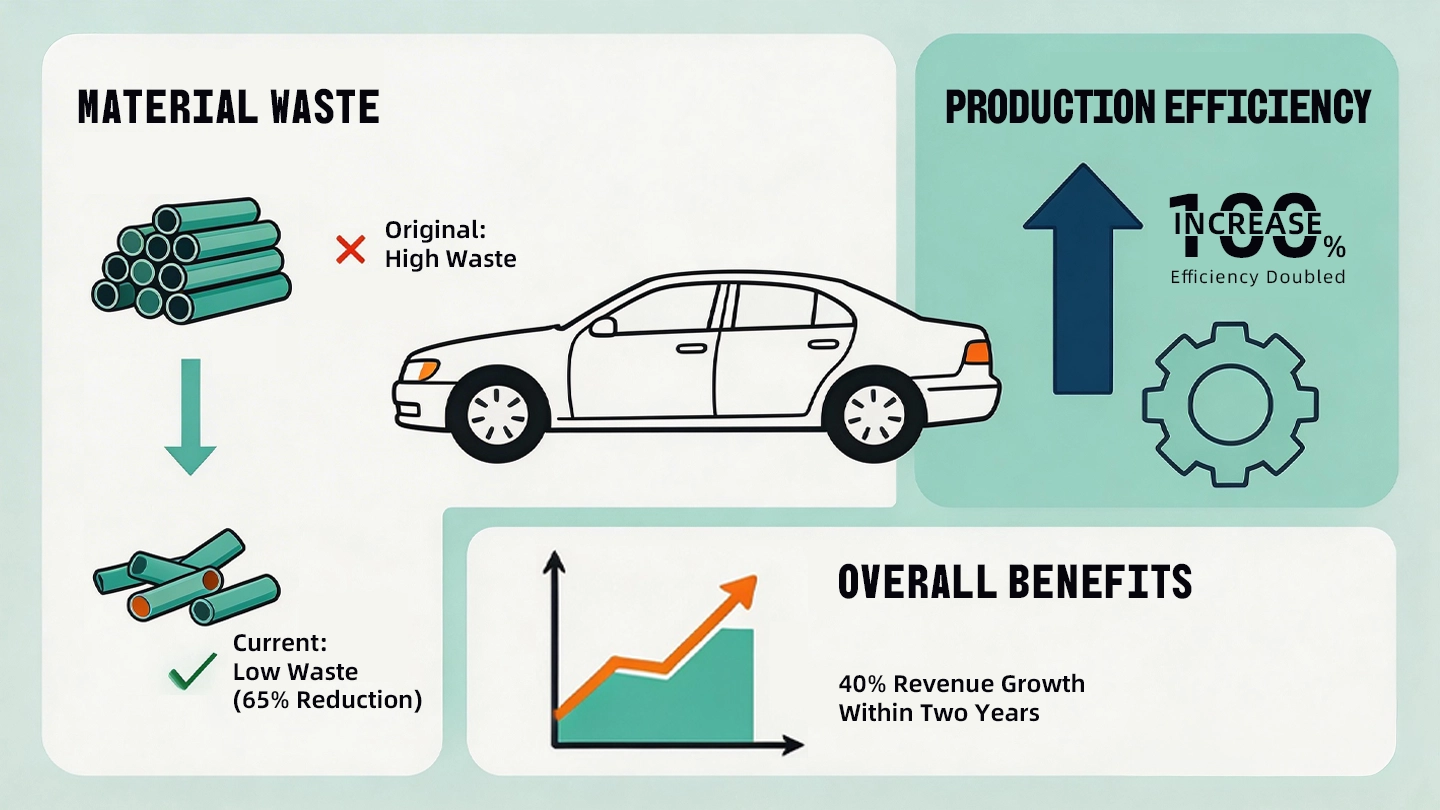
After implementing the tube laser cutting machine, the precision of the cuts improved dramatically. The kerf width was reduced from an average of 2 – 3 mm with plasma cutting to less than 0.5 mm. This not only minimized material waste but also eliminated the need for extensive post – processing operations to remove burrs and smooth the cut edges. For example, in the production of exhaust pipes, the precise cuts allowed for a better fit of the components during the welding process, reducing the number of defective products.
The production efficiency also saw a remarkable increase. The tube laser cutting machine could cut through the steel tubes used in the exhaust systems and suspension components at a much faster rate compared to the previous methods. The cutting speed for thin – walled steel tubes (1 – 3 mm thickness) increased from about 3 – 5 meters per minute with mechanical sawing to 10 – 15 meters per minute with the tube laser cutting machine. This, combined with the machine’s automated loading and unloading system, enabled XYZ to double its production output within the first year of implementation.
In terms of cost – savings, the reduction in material waste and the need for less post – processing translated into significant financial benefits. The company estimated that they saved approximately 20% on material costs and 30% on labor costs associated with post – processing in the first year alone. As a result of these improvements, XYZ was able to expand its customer base, winning contracts from major automotive manufacturers. Their reputation for high – quality, cost – effective products grew, and the company’s revenue increased by 40% in the two years following the adoption of the tube laser cutting machine.
9.2 Case 2: Building Structure Manufacturer
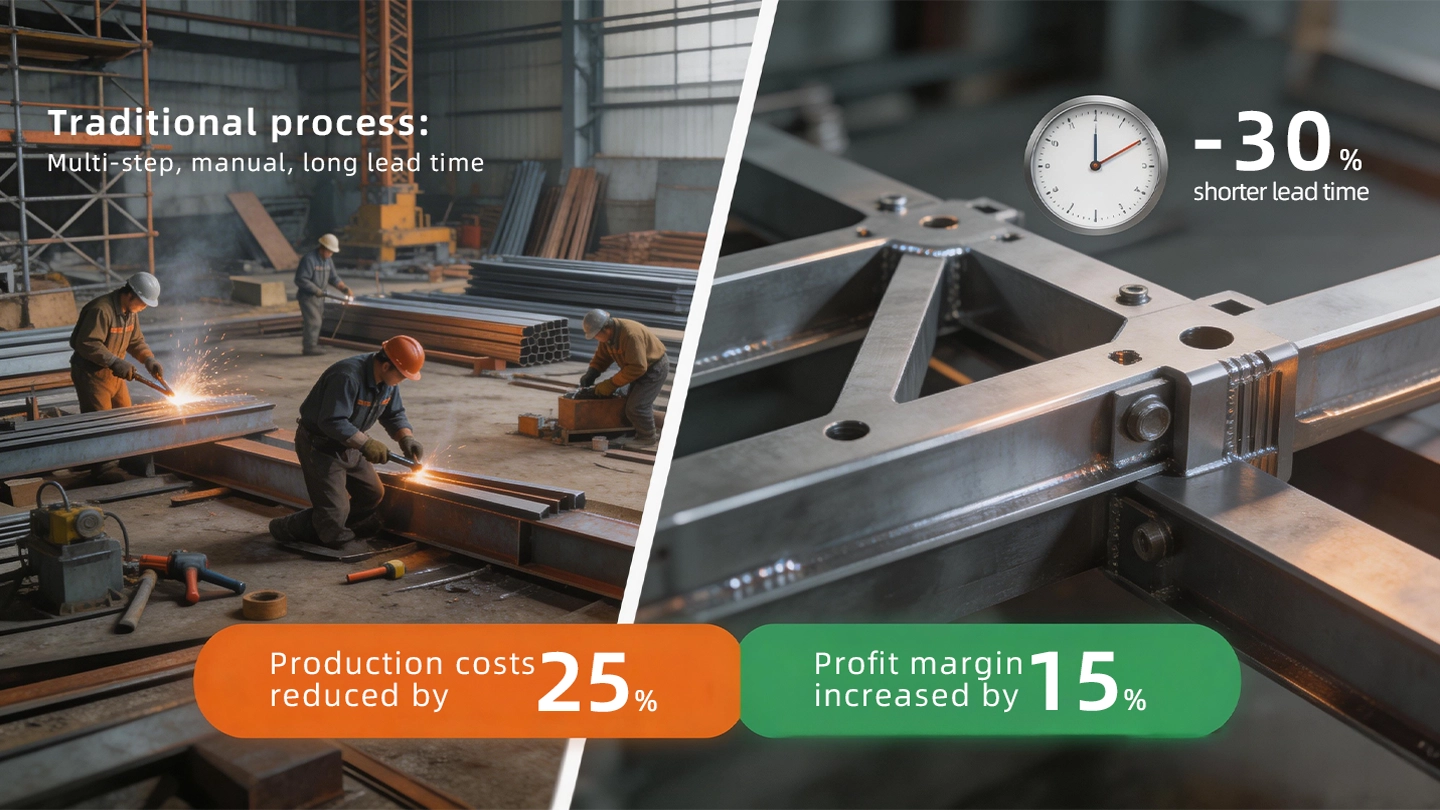
ABC Steel Structures, a leading company in the construction of large – scale commercial buildings and industrial structures, was struggling with the production of complex – shaped steel tube components. The company was using a combination of traditional cutting and machining methods, which were time – consuming and costly. The process involved multiple steps, including cutting the tubes to rough lengths with a saw, followed by manual grinding and machining to achieve the required shapes and dimensions. This not only led to high labor costs but also made it difficult to meet the tight deadlines of their construction projects.
In 2019, ABC Steel Structures decided to upgrade its production equipment by purchasing a 5 – axis tube laser cutting machine with a 4000W fiber laser. This state – of – the – art machine was capable of handling a wide range of tube sizes and shapes, and it offered advanced features such as automatic focal length adjustment and real – time cutting parameter optimization.
The impact of the tube laser cutting machine on ABC Steel Structures was immediate. The high – precision cutting capabilities of the machine allowed the company to produce steel tube components with intricate geometries directly from the laser cutting process, eliminating the need for most of the secondary machining operations. For example, in the construction of a large – scale shopping mall, the steel tubes for the building’s framework required complex intersecting cuts and bevels. With the tube laser cutting machine, these cuts could be made with an accuracy of ±0.05 mm, ensuring a perfect fit during the assembly process.
The production speed also increased significantly. The machine could cut through thick – walled steel tubes (up to 10 mm thickness) at a speed of 5 – 8 meters per minute, which was much faster than the previous methods. This enabled ABC Steel Structures to complete their projects in a shorter time frame. In one particular project, a large industrial warehouse, the construction time was reduced by 30% compared to similar projects in the past.
The cost – effectiveness of the tube laser cutting machine was another major advantage. By reducing the need for secondary machining and labor – intensive operations, the company was able to save approximately 25% on production costs. The improved efficiency also allowed ABC Steel Structures to take on more projects, increasing their market share in the construction industry. The company’s profit margin increased by 15% in the year after implementing the tube laser cutting machine, and they continued to experience growth in subsequent years as they further optimized their production processes using the new technology.
10. Call to Action
Are you intrigued by the capabilities of tube laser cutting machines and how they can transform your manufacturing processes? Whether you are in the automotive, aerospace, construction, furniture, or any other industry that deals with tubular materials, the right tube laser cutting machine can be a game – changer for your business.
If you are considering investing in a tube laser cutting machine, don’t hesitate to reach out to industry experts. There are numerous reliable manufacturers and suppliers in the market who can provide you with detailed information about different models, their specifications, and how they can be tailored to your specific production needs. You can visit their websites, attend industry trade shows, or request product brochures and technical documentation.
For those who already own a tube laser cutting machine but are facing challenges in operation, maintenance, or want to explore ways to optimize its performance, there are also professional service providers and training institutes. These entities can offer on – site support, maintenance contracts, operator training programs, and technical consultations.
Don’t let the potential of tube laser cutting technology pass you by. Take the first step today and start exploring how this advanced technology can enhance the precision, efficiency, and productivity of your manufacturing operations. Contact us or other relevant industry players to get the ball rolling and unlock the full potential of tube laser cutting machines for your business.

Top Stories
Product Categories
- Metal Laser Cutter
- Laser Welder Machine
- Laser Cleaner Machine
- Laser Marker Machine
- Press Brake Machine