News
Advanced Aluminum Laser Cutting Techniques: Overcoming Reflectivity and Dross
1. Introduction: The Evolution of Aluminum Laser Cutting
In the modern aerospace, automotive, and renewable energy industries, aluminum laser cutting has become a critical manufacturing requirement. Aluminum alloys are prized for their high strength-to-weight ratio and corrosion resistance, but for decades, aluminum laser cutting was considered a high-risk operation due to the material’s unique physical properties. As we move into 2026, breakthroughs in fiber laser technology and beam pulse management have transformed aluminum laser cutting from a technical challenge into a highly efficient, mainstream production process. Mastering aluminum laser cutting is now essential for any shop aiming to serve the electric vehicle (EV) or aerospace markets.
2. Solving the Reflectivity Challenge in Aluminum Laser Cutting
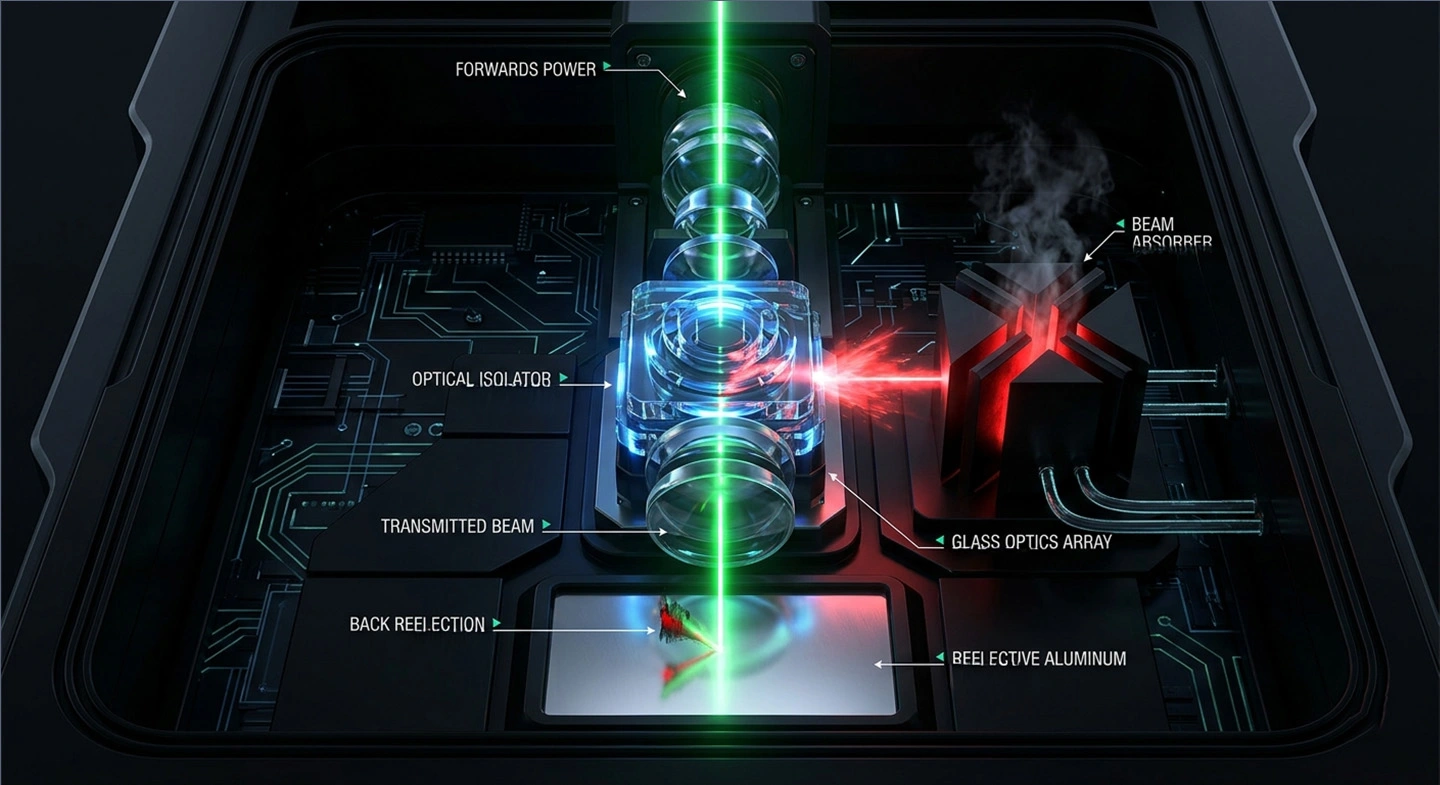
The primary obstacle in aluminum laser cutting is the material’s high reflectivity. In its solid state, aluminum can reflect up to 90% of the infrared light emitted by a fiber laser. During the initial stage of aluminum laser cutting, this reflected energy can travel back through the delivery fiber and damage the laser resonator.
To ensure safe aluminum laser cutting, modern systems utilize “Optical Isolators” and “Back-Reflection Protection.” These components act as a one-way valve for light, allowing the beam to perform aluminum laser cutting while diverting reflected energy into a water-cooled “beam dump.” Without these safety protocols, sustained aluminum laser cutting on high-purity alloys would be impossible. Understanding the safety limits of your resonator is the first step in successful aluminum laser cutting procurement.
3. High-Power Performance Matrix for Aluminum
The power requirements for aluminum laser cutting are generally higher than those for carbon steel because aluminum dissipates heat very rapidly. The following table provides 2026 industry standards for efficient aluminum laser cutting:
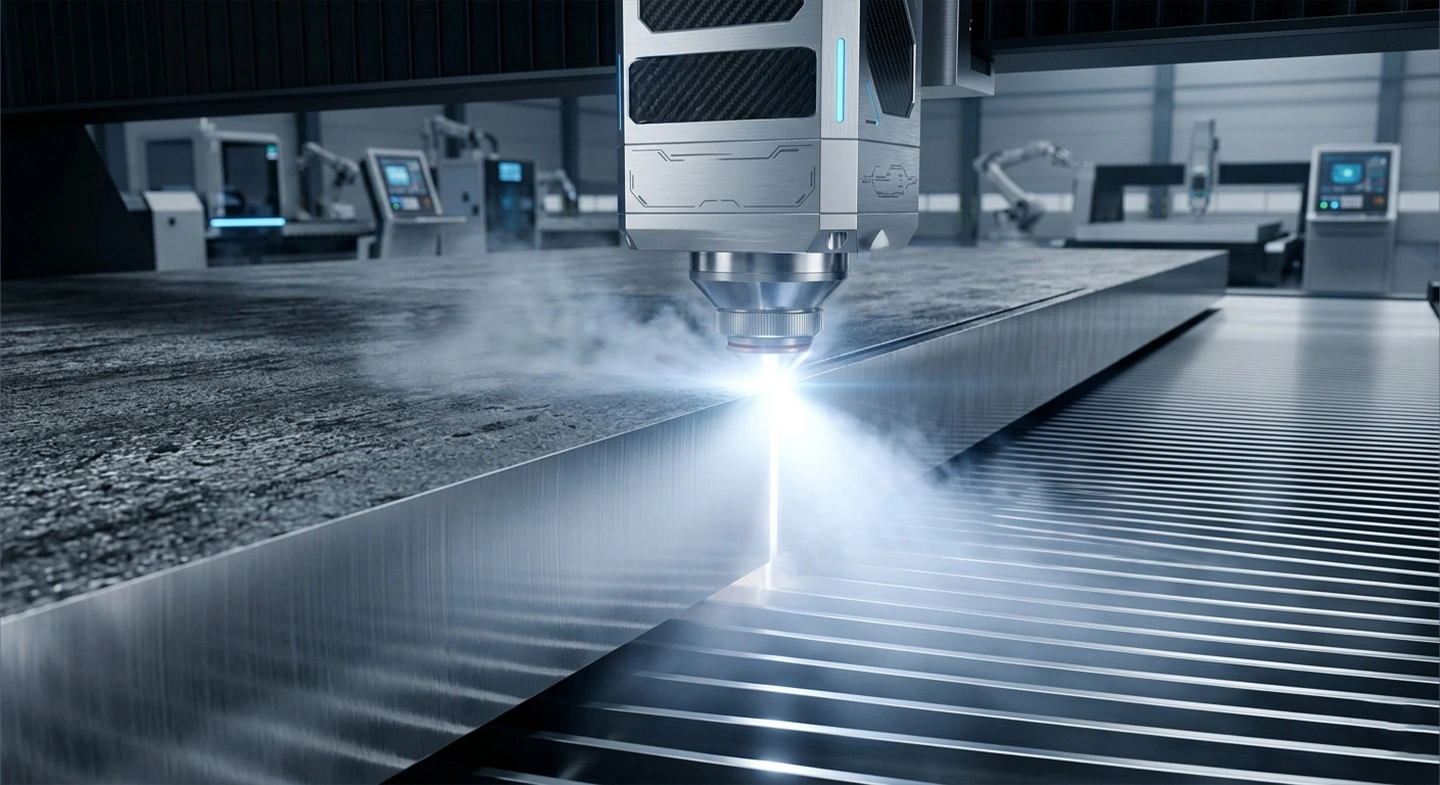
Table 1: 2026 Efficiency Benchmarks for Aluminum Laser Cutting
Laser Power (kW) | Max Thickness (mm) | Stable Speed (m/min) | Assistant Gas | Aluminum Laser Cutting Quality |
2kW | 1.0 – 4.0 | 3.0 – 8.0 | N2 / Air | Bright / Clean |
4kW | 5.0 – 8.0 | 2.5 – 5.0 | N2 / Air | Smooth / Minimal Burrs |
12kW | 10.0 – 16.0 | 1.8 – 3.5 | N2 | Thick Plate Mastery |
20kW+ | 20.0 – 30.0 | 0.9 – 2.2 | N2 | High-Volume Industrial |
As shown, high-power fiber lasers allow for aluminum laser cutting on plates up to 30mm, a capability that has significantly reduced the reliance on traditional milling for thick aluminum parts.
4. Mastering Frequency Modulation (FM) to Eliminate Dross
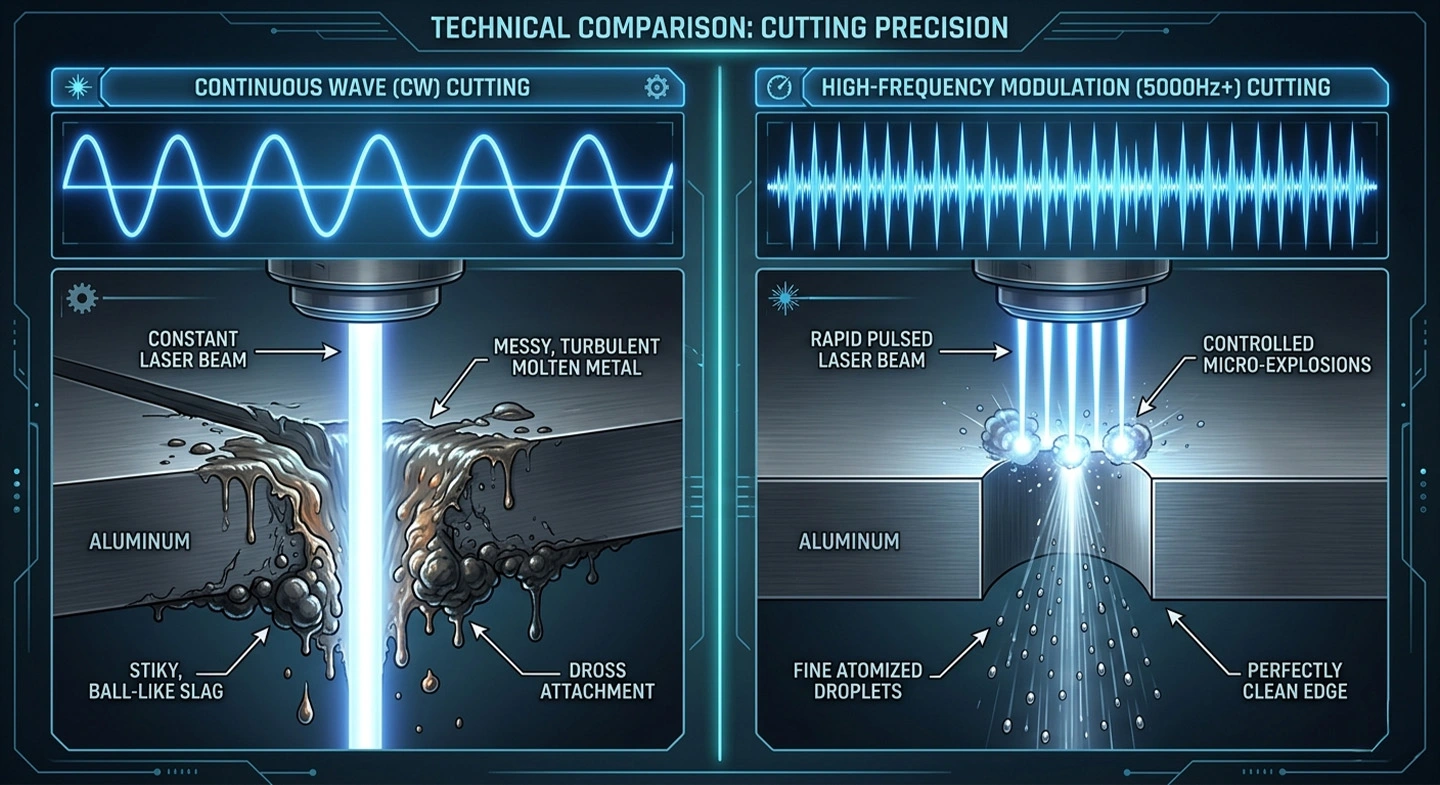
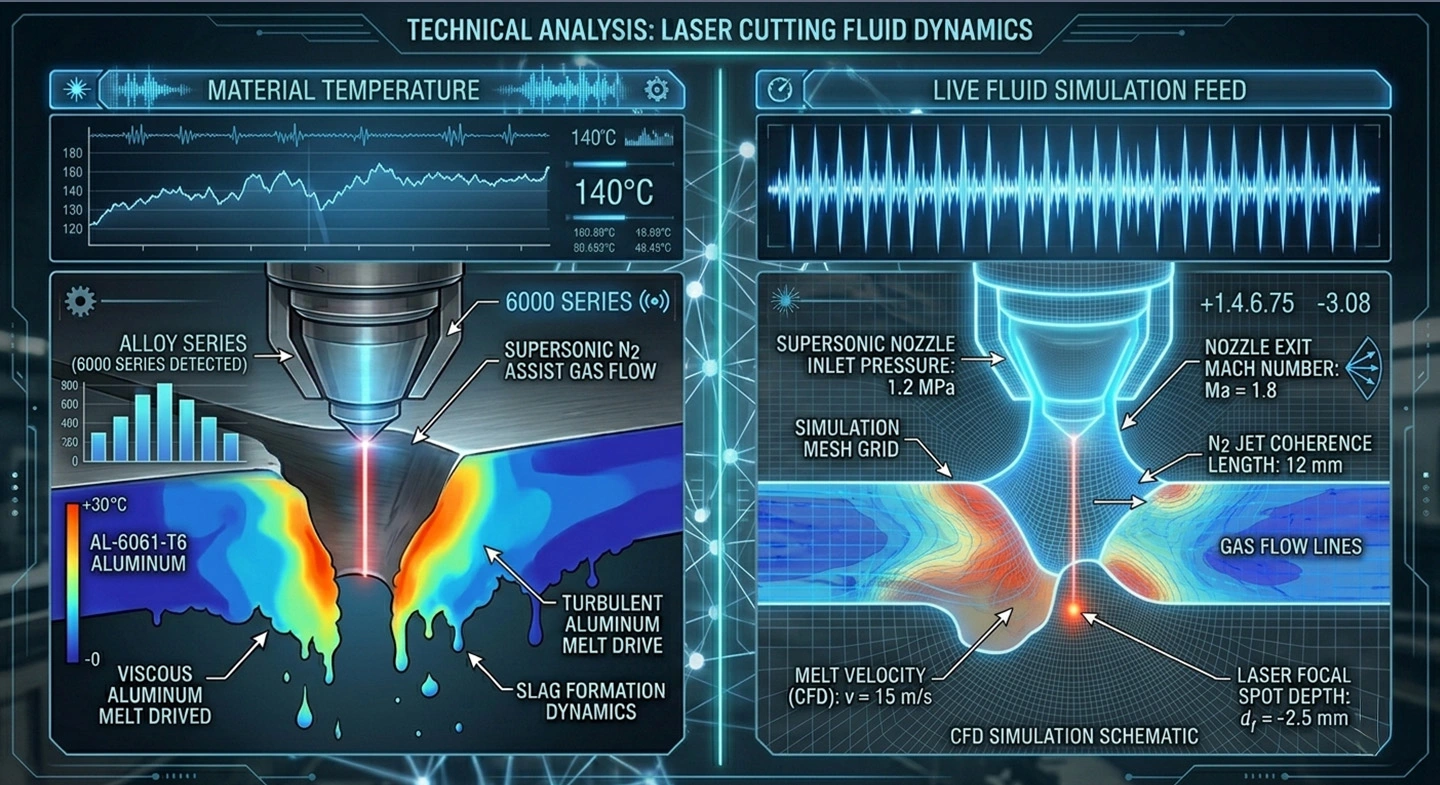
The most common quality issue in aluminum laser cutting is the formation of “dross”—molten metal that adheres to the bottom edge of the cut. Because aluminum has a low melting point but high viscosity, traditional continuous-wave aluminum laser cutting often results in heavy slag.
The solution in 2026 is Frequency Modulation (FM). By pulsing the laser beam at specific kilohertz (kHz) intervals, the aluminum laser cutting process creates a series of micro-explosions that eject the molten aluminum more effectively. The table below outlines the relationship between frequency and aluminum laser cutting quality:
Table 2: Frequency Modulation Parameters in Aluminum Laser Cutting
Frequency Range | Duty Cycle | Slag Level in Aluminum Laser Cutting | Edge Roughness |
1000 – 2500 Hz | 50% | Heavy (Difficult to remove) | Coarse |
3000 – 5000 Hz | 35% | Moderate (Standard quality) | Medium |
5000+ Hz (Optimized) | 15% – 25% | Minimal (Ready for assembly) | Fine / Smooth |
By optimizing these FM parameters, aluminum laser cutting can achieve a “burr-free” finish that rivals waterjet cutting but at ten times the speed.
5. Assistant Gas Strategies: Nitrogen vs. Compressed Air
The choice of gas in aluminum laser cutting drastically affects the cost and the chemical properties of the edge. Nitrogen-assisted aluminum laser cutting is the standard for high-end applications as it prevents the formation of aluminum oxide. However, for 1000 and 5000 series alloys, high-pressure air is becoming a popular choice for aluminum laser cutting.
While air-assisted aluminum laser cutting may result in a slightly more textured edge, the dramatic reduction in operational costs makes it highly attractive for the high-volume production of non-aesthetic structural components. Modern aluminum laser cutting heads are designed to handle 20+ bar of air pressure to compensate for the material’s density.
6. Nozzle Selection and Focal Depth in Aluminum Laser Cutting
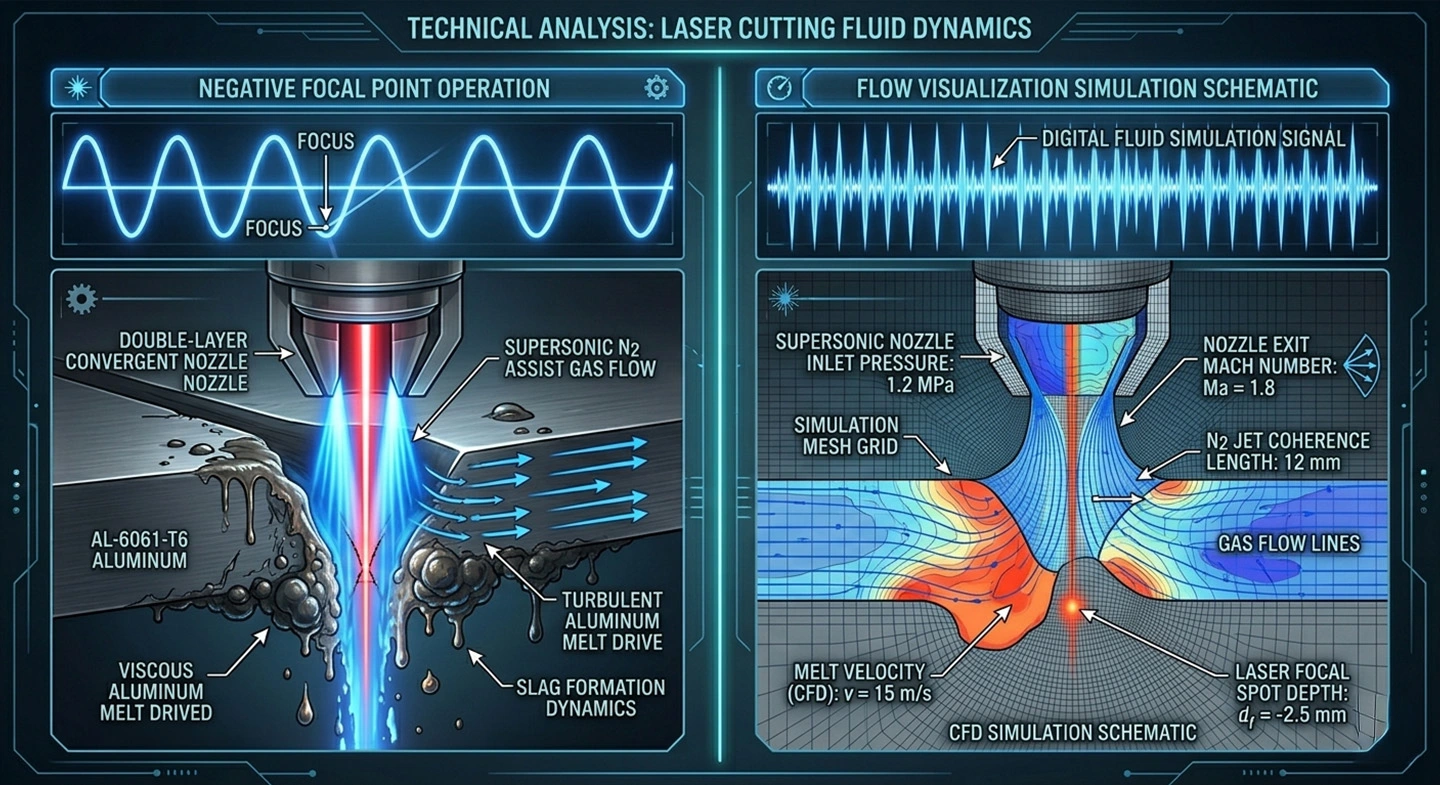
Because of the wide kerf required to eject viscous aluminum, aluminum laser cutting requires specialized nozzles. Large-diameter, double-layer nozzles are typically used for thick aluminum laser cutting to provide a wide, stable gas column.
Furthermore, the focal position for aluminum laser cutting is usually “negative,” meaning the focus is set below the material surface. This helps widen the bottom of the cut, ensuring that the assistant gas can blow through the entire thickness during the aluminum laser cutting process without creating a bottleneck of molten metal.
7. AI-Driven Adaptive Control for Aluminum
In 2026, aluminum laser cutting systems are smarter than ever. Since different aluminum alloys (e.g., 2000 vs. 6000 series) react differently to heat, AI-driven “Material Recognition” systems can micro-adjust the aluminum laser cutting parameters on the fly. If the AI detects a temperature buildup that could lead to melting the entire part, it modulates the aluminum laser cutting speed to maintain the perfect balance between speed and quality.
8. Conclusion: The Future of Aluminum Laser Cutting
As the world shifts toward lightweight materials, the importance of high-quality aluminum laser cutting cannot be overstated. By leveraging high-power fiber lasers, advanced frequency modulation, and intelligent gas management, your aluminum laser cutting operations can meet the strictest standards of the 2026 industrial market. Investing in the science of aluminum laser cutting is an investment in the future of sustainable manufacturing.

Top Stories
Product Categories
- Metal Laser Cutter
- Laser Welder Machine
- Laser Cleaner Machine
- Laser Marker Machine
- Press Brake Machine
Get Easy Solution